Canceled: Forest Fridays: May
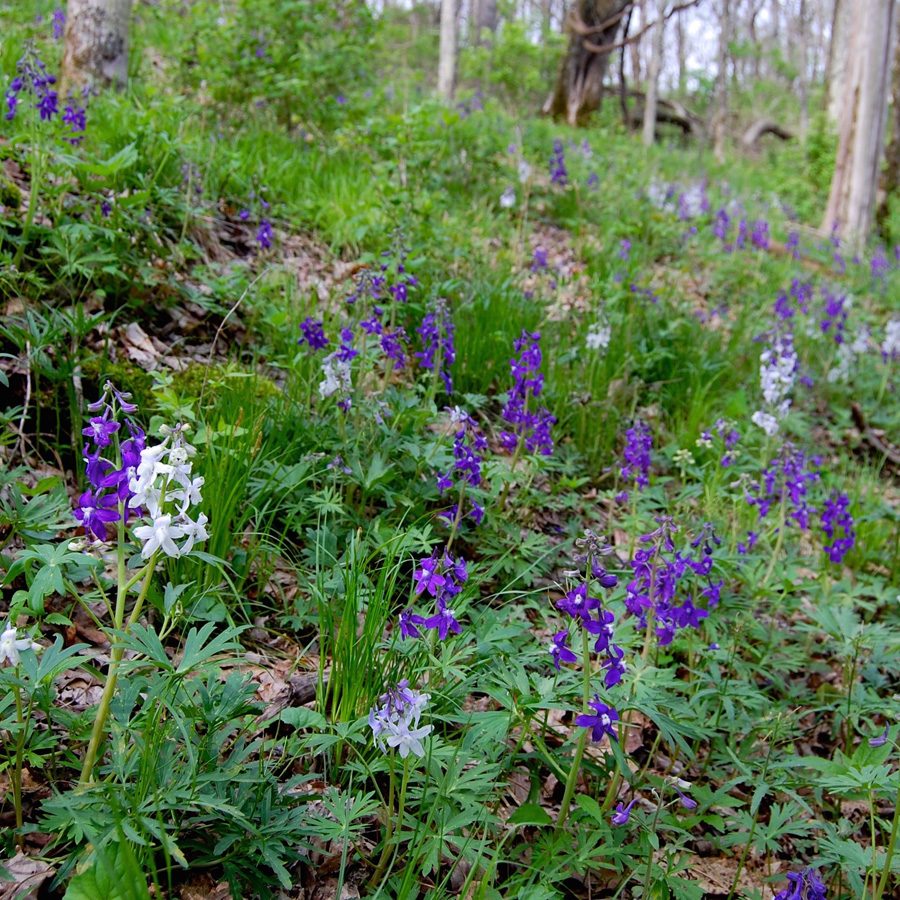
Join us for this May 1st hike to enjoy the remaining ephemeral wildflowers and celebrate the changing season.
$10

Join us for this May 1st hike to enjoy the remaining ephemeral wildflowers and celebrate the changing season.
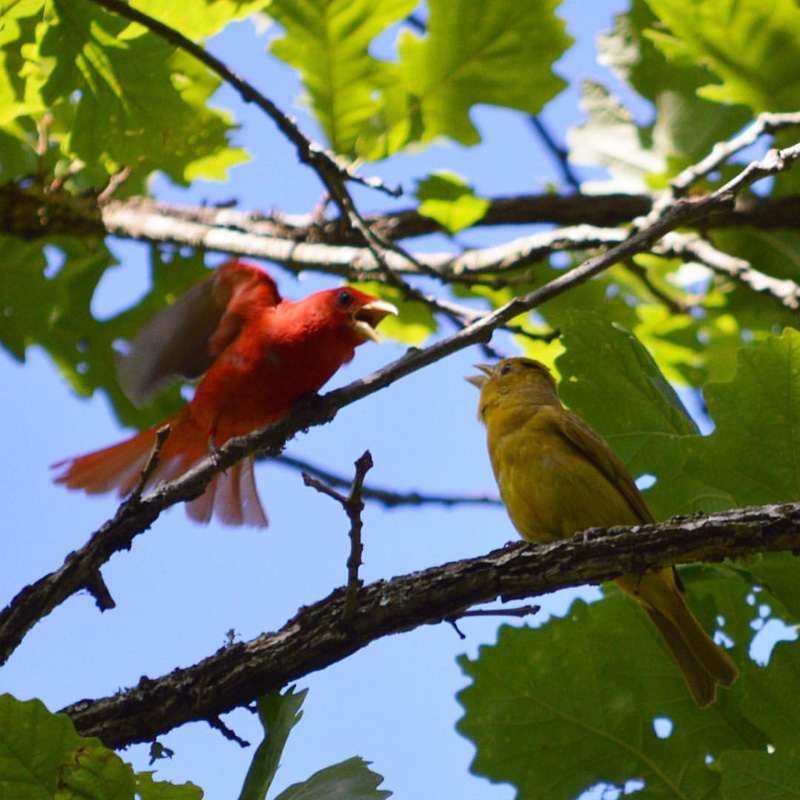
Accomplished birder and Shaker Village Preserve Manager, Ben Leffew, will lead this hike featuring the diversity of birds that use the forests of the Kentucky River Palisades. Ben will teach participants to identify birds by sight, sound, behavior, and habitat. This program takes place during peak migration and will prepare participants who may be interested in Global Big Day and other citizen science birding programs.
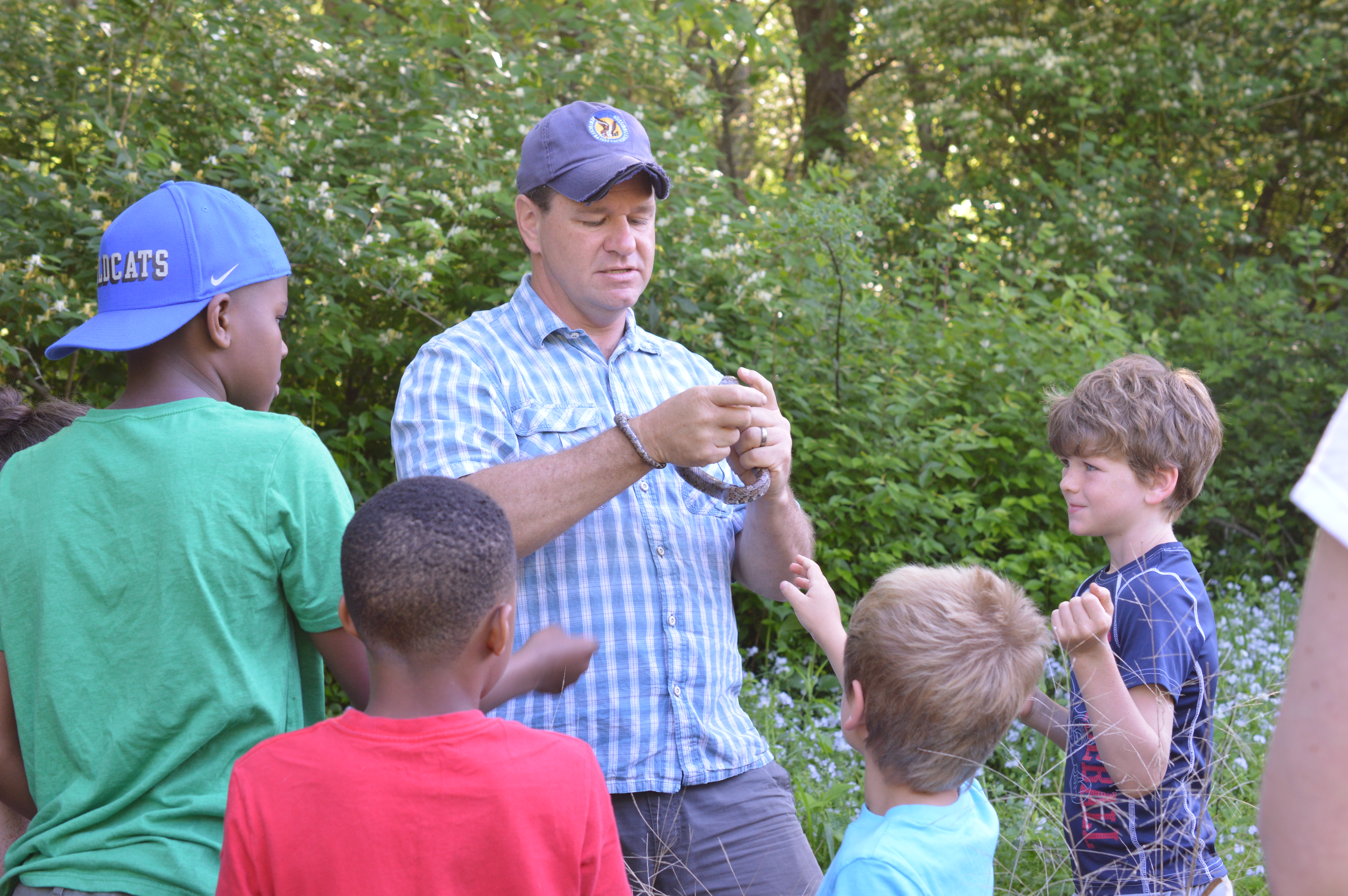
Zeb Weese, Executive Director of the Office of Kentucky Nature Preserves, will lead this program for all ages to find some of our native frogs, snakes, salamanders, and turtles in the various habitats of Floracliff, including ponds, fields, and streams.
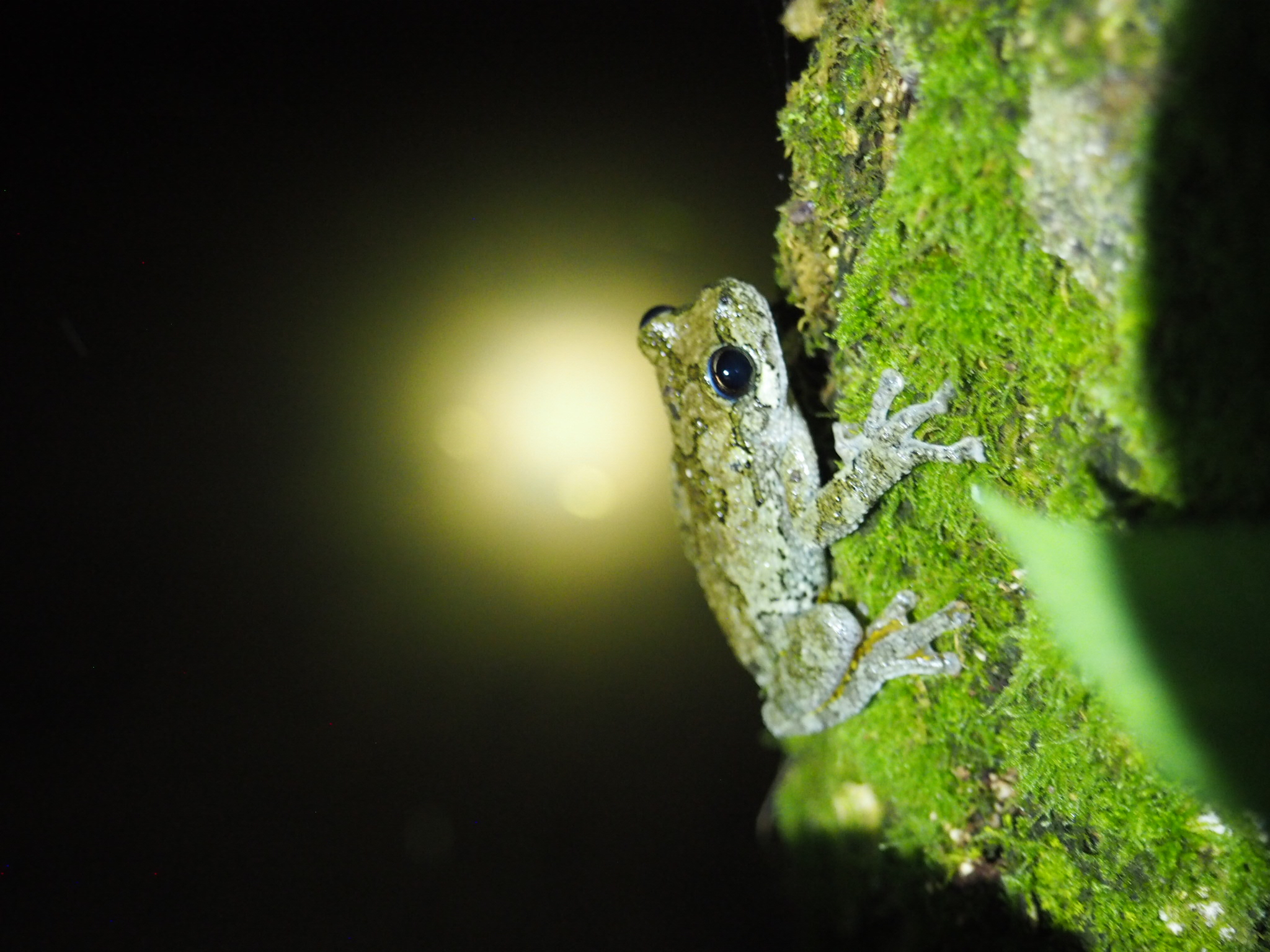
Our native frogs and toads breed in shallow waters during Spring and the evenings are a great time to get close-up views of them. During this program, we will visit the ponds near the nature center to inspect the frog activity. We expect to find Cope’s gray treefrogs and possibly a few others. All visitors need to bring a flashlight and wear close-toed shoes.
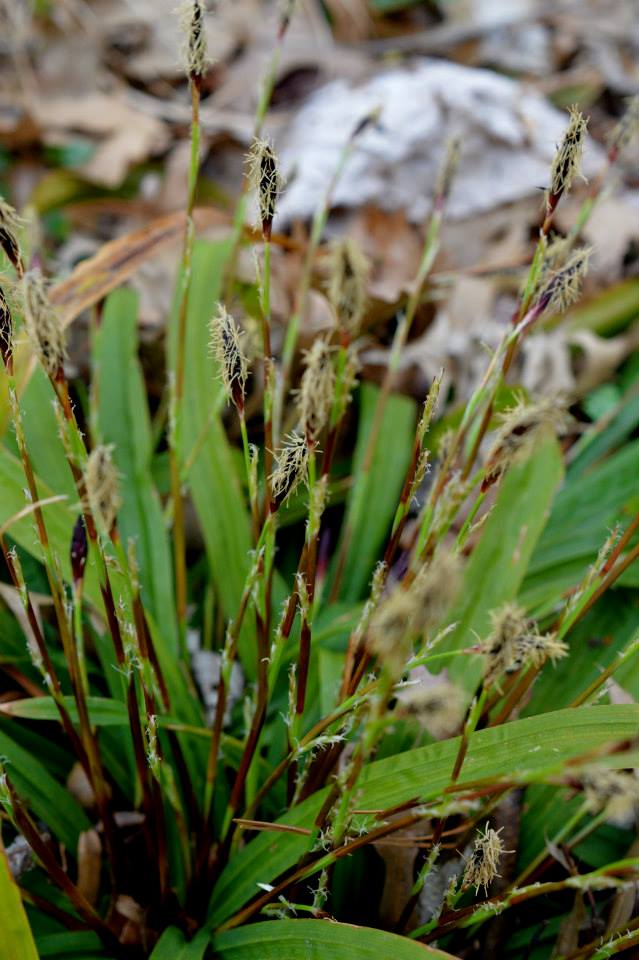
With close to 150 species in this genus found in Kentucky, the diversity of sedges (Carex) is astounding and they can tell us a lot about the natural communities upon which they are found. Join OKNP botanists Devin Rodgers and Tara Littlefield on a hike to learn some of the most common sedges found in the Bluegrass.
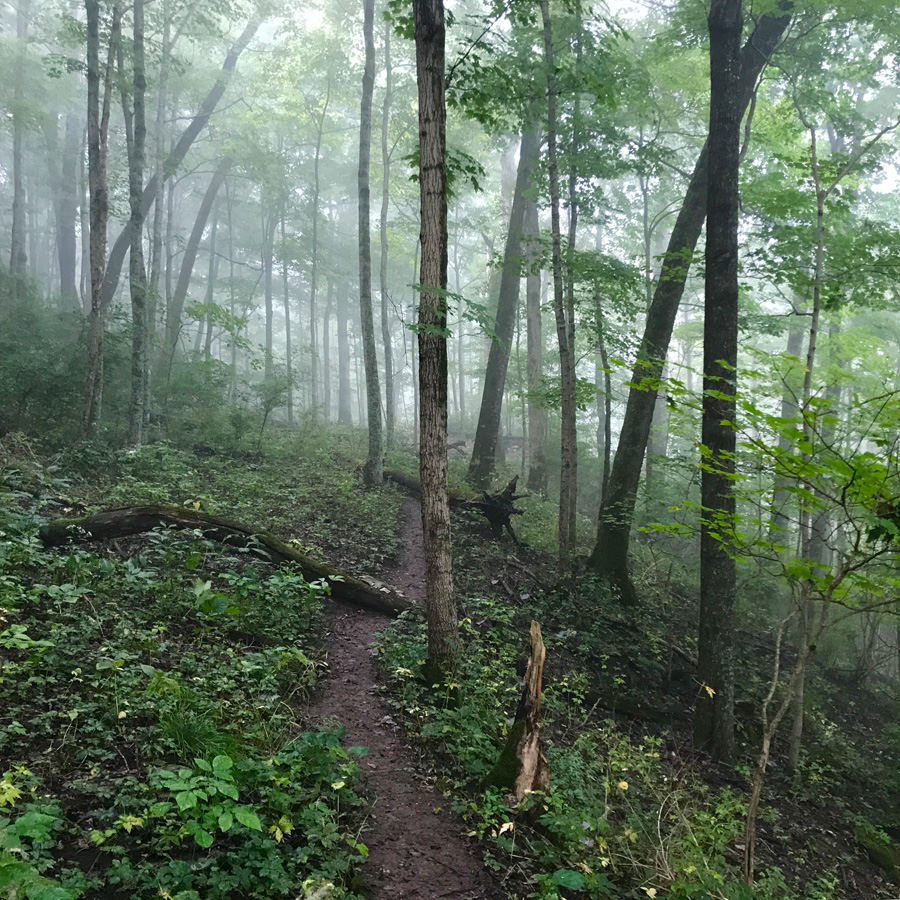
With a commitment to conservation and a curiosity about the natural world, our volunteers offer a unique perspective of Floracliff. In 2020, these dedicated volunteers are leading a series of afternoon hikes, highlighting the trails and terrain that they care for at Floracliff.
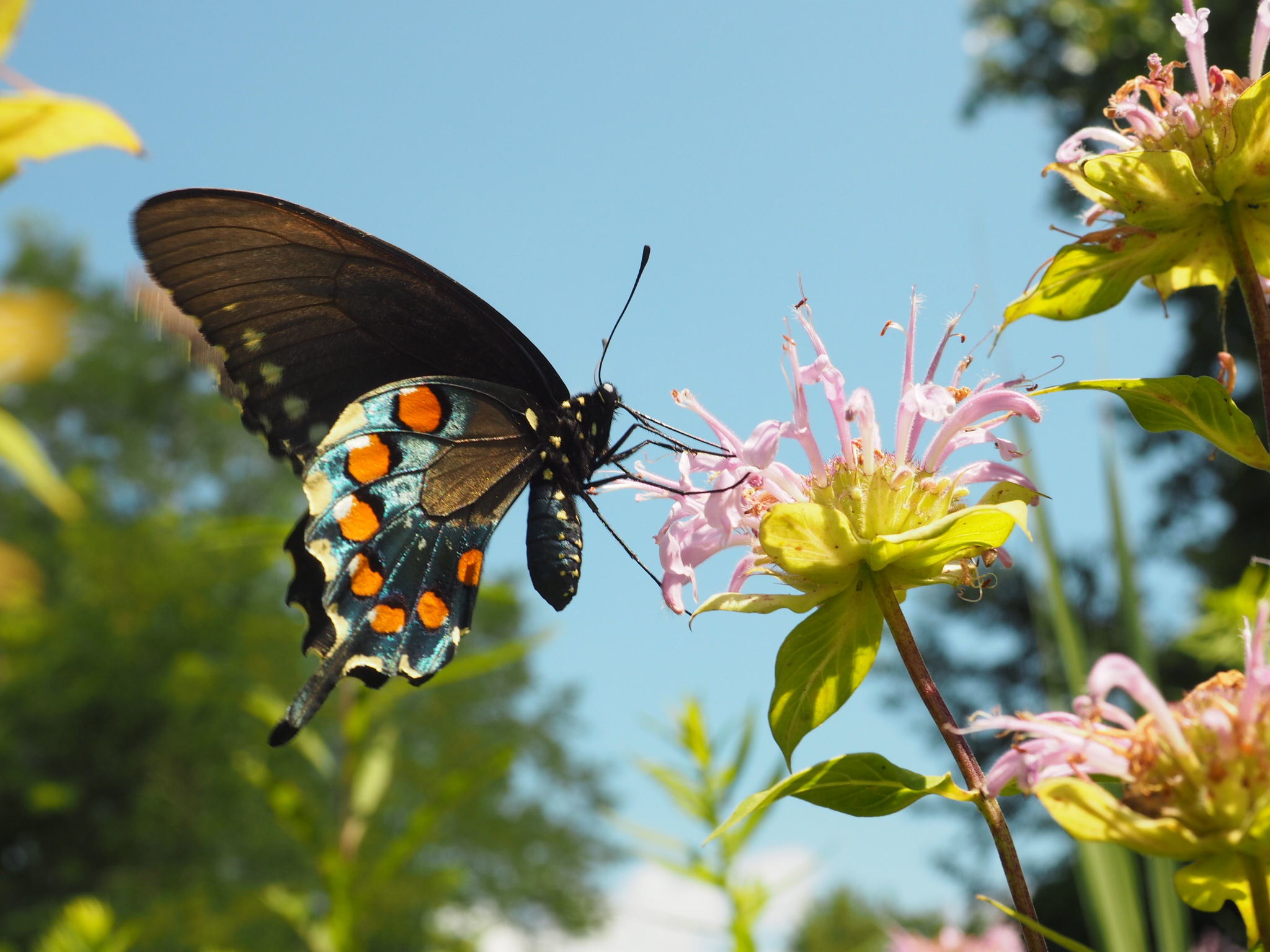
Kentucky is home to over 150 butterfly species. This webinar presentation will feature over 45 of our most common summer butterflies in Central Kentucky. Participants will learn tricks for identification, basic biology of butterflies, and their relationships with native plants. We will also cover citizen science projects and resources so that participants can document and share their butterfly observations.
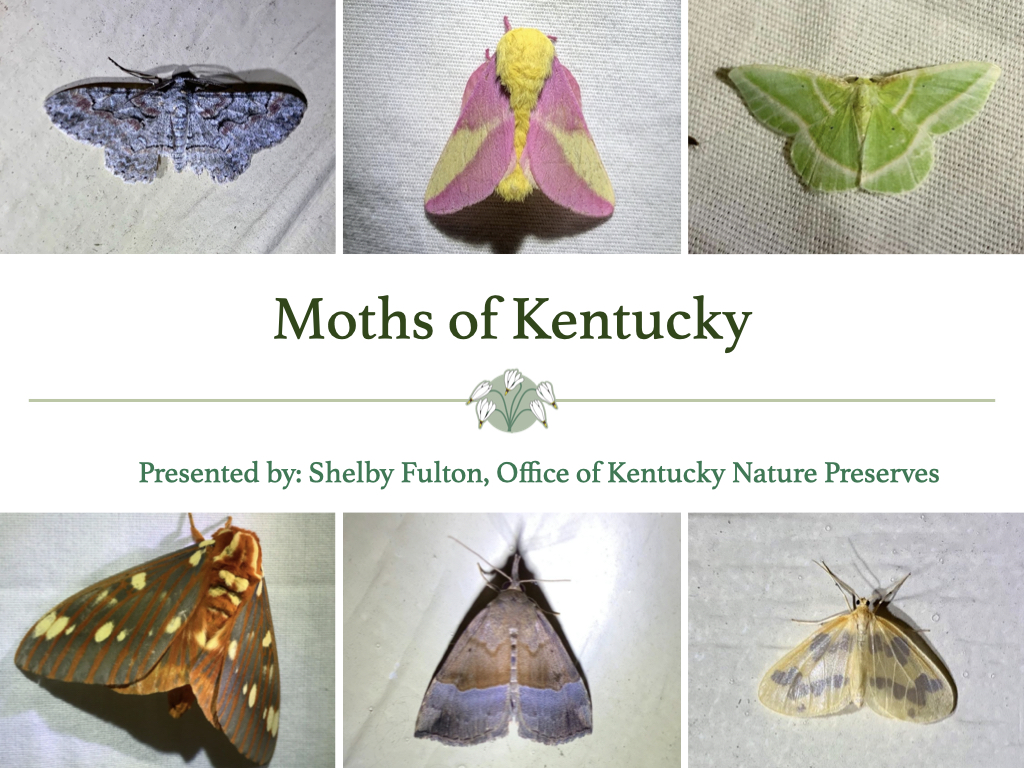
With an amazing variety of colors and sizes, moths are among the most diverse organisms on earth. They play an important role in our ecosystem and share intricate relationships with native plants, birds, and bats. Join us for this program to kick off National Moth Week.
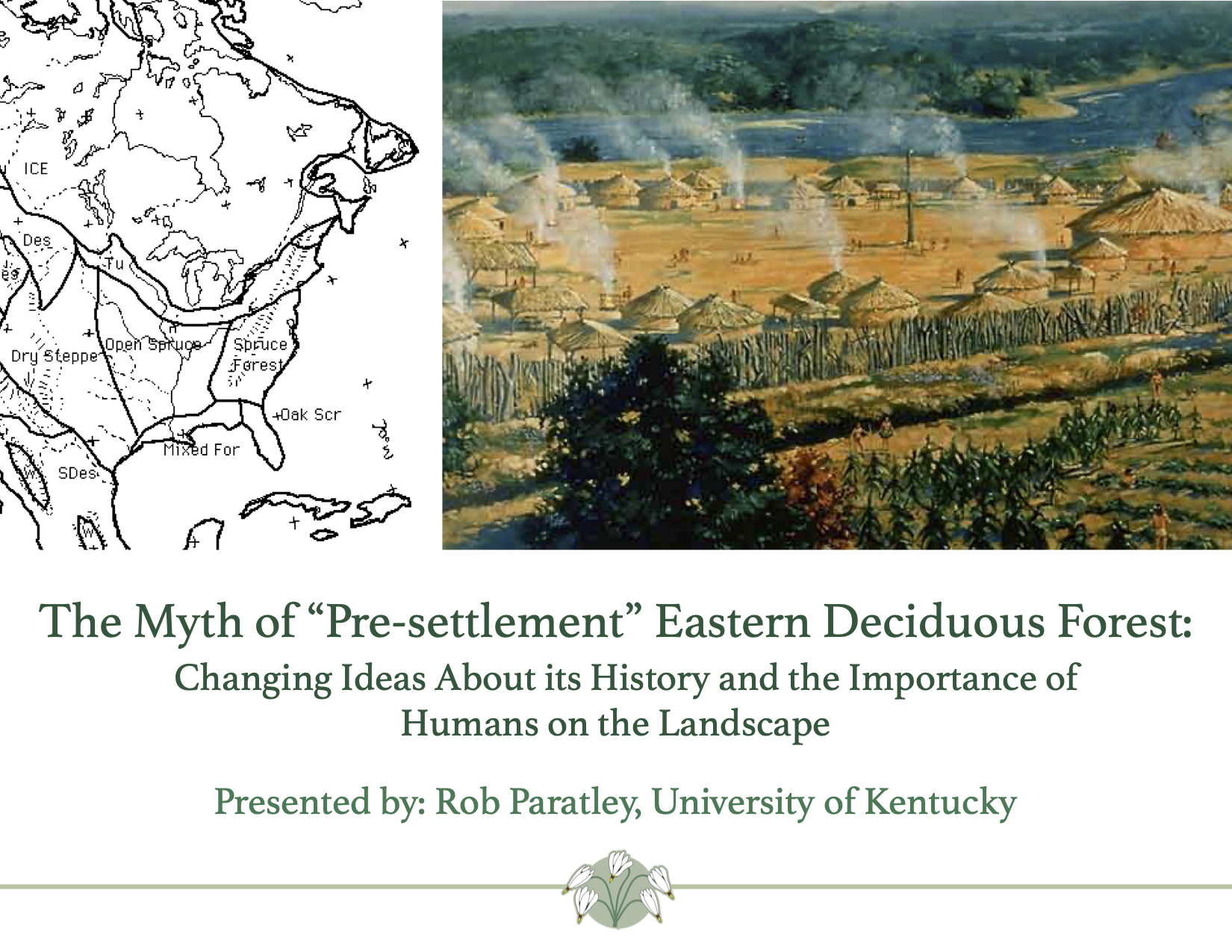
In this program we’ll explore some of the ways our ideas about the development of eastern North American forests have dramatically changed, especially by incorporating the keystone ecological presence of humans on that landscape.
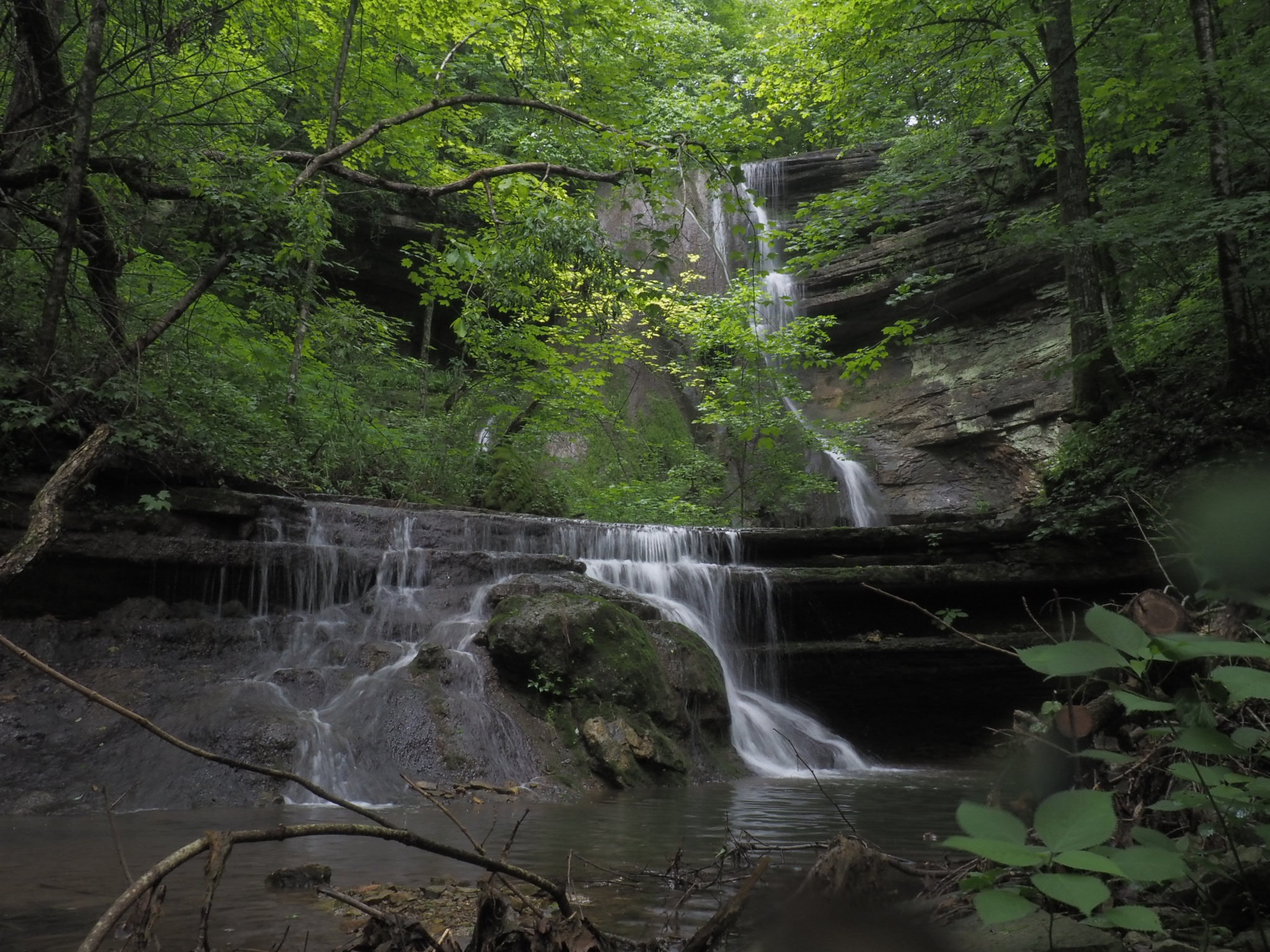
In lieu of our regularly scheduled hikes and programs, we are currently offering limited private guided hikes at Floracliff on Tuesday and Thursday mornings for groups of up to 4 or 8 people. One ticket covers everyone in your group.
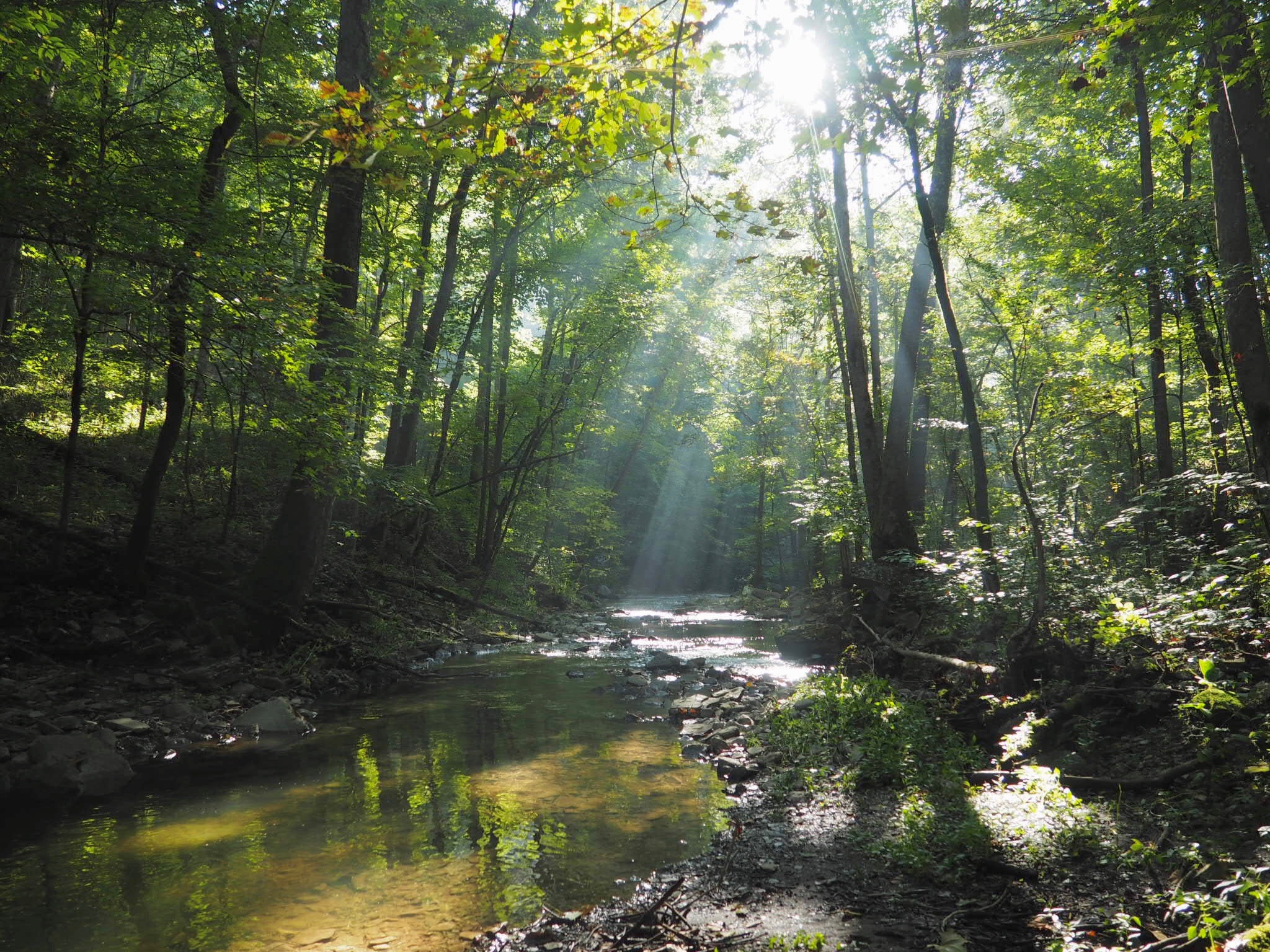
In lieu of our regularly scheduled hikes and programs, we are currently offering limited private guided hikes at Floracliff on Tuesday and Thursday mornings for groups of up to 4 or 8 people. One ticket covers everyone in your group.
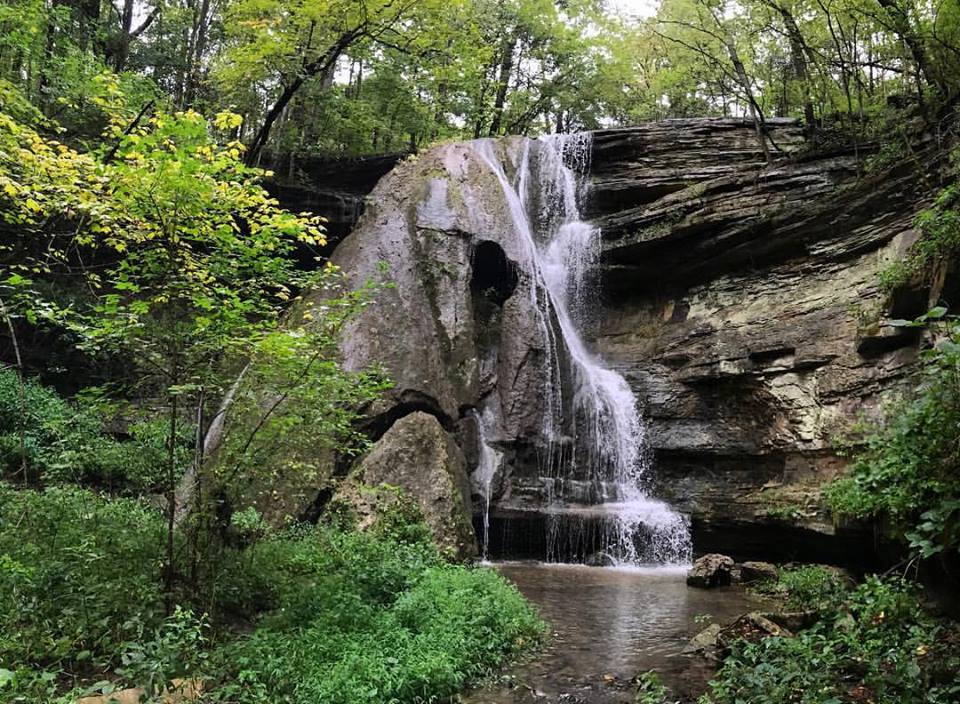
In lieu of our regularly scheduled hikes and programs, we are currently offering limited private guided hikes at Floracliff on Tuesday and Thursday mornings for groups of up to 4 or 8 people. One ticket covers everyone in your group.
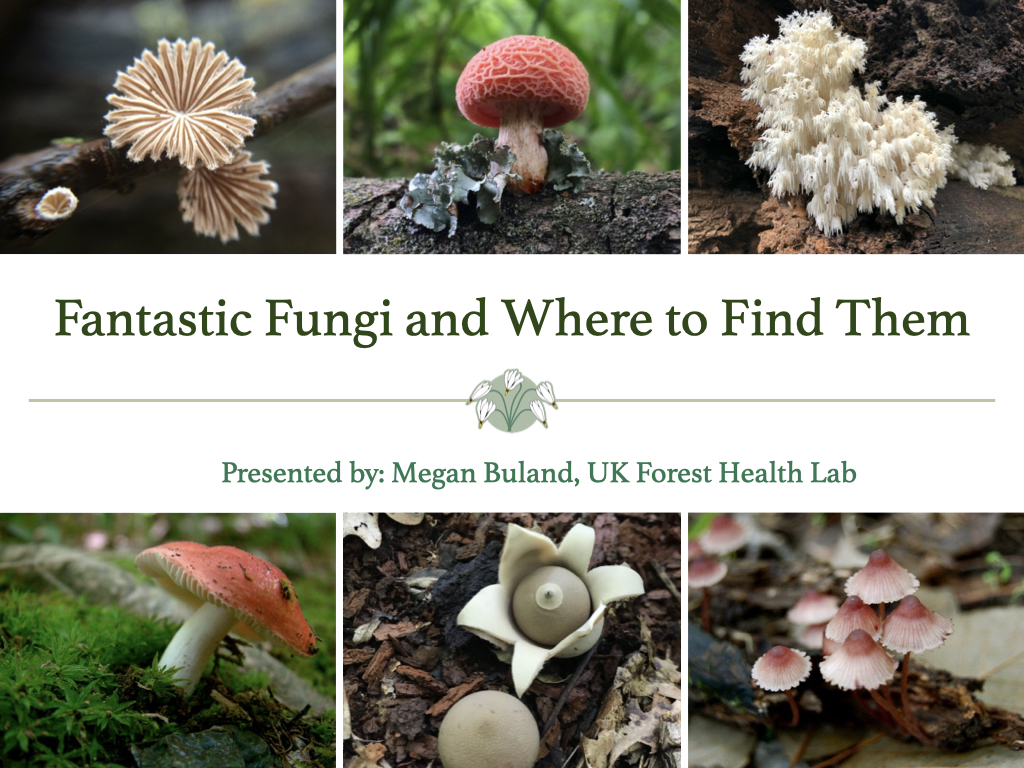
Come join us as we explore the fantastic world of fungi in this webinar. We will discuss mushroom biology and ecology, and highlight the basics of how to identify different kinds of fungi. Commonly found mushrooms of Kentucky will be featured, as well as discussion surrounding the many roles fungi can play in ecology and forest health, from the good, to the bad, to the downright creepy. Just in time for fall rains and the mushrooms that accompany them, join us for an evening of fun fungi facts.
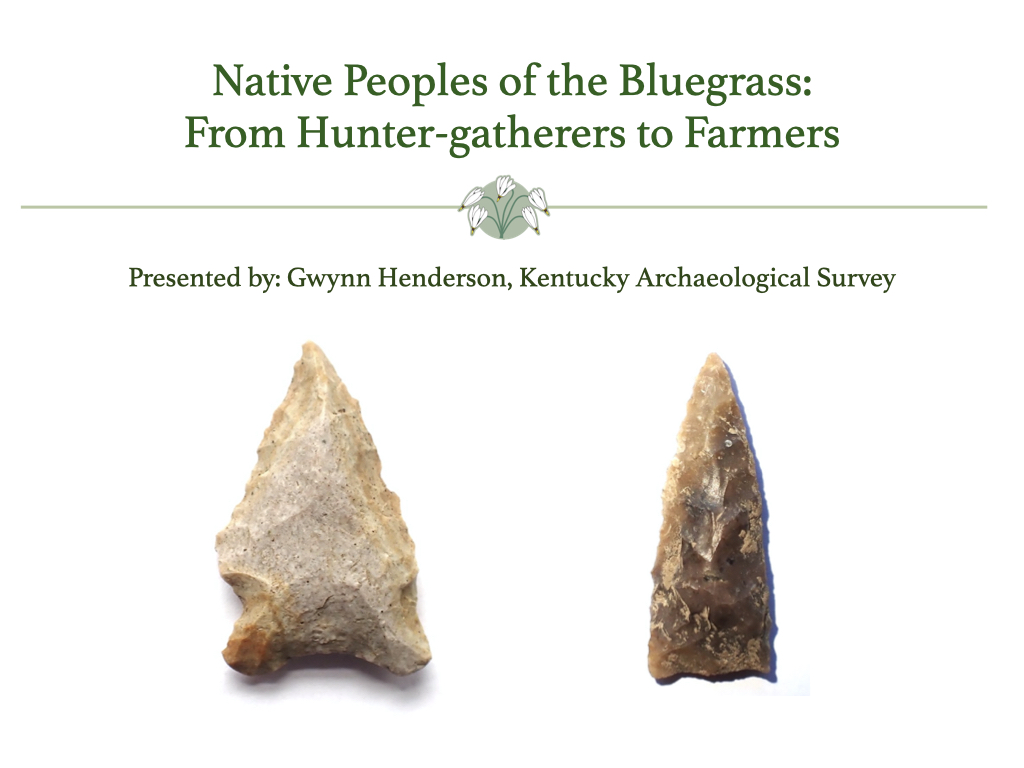
For millennia, diverse native groups have called the rich Bluegrass region "home." Focusing on those resources - plants, animals, stone, clay, water - we review the dynamic human-environment interaction that began when humans arrived in the region at the end of the last ice age.
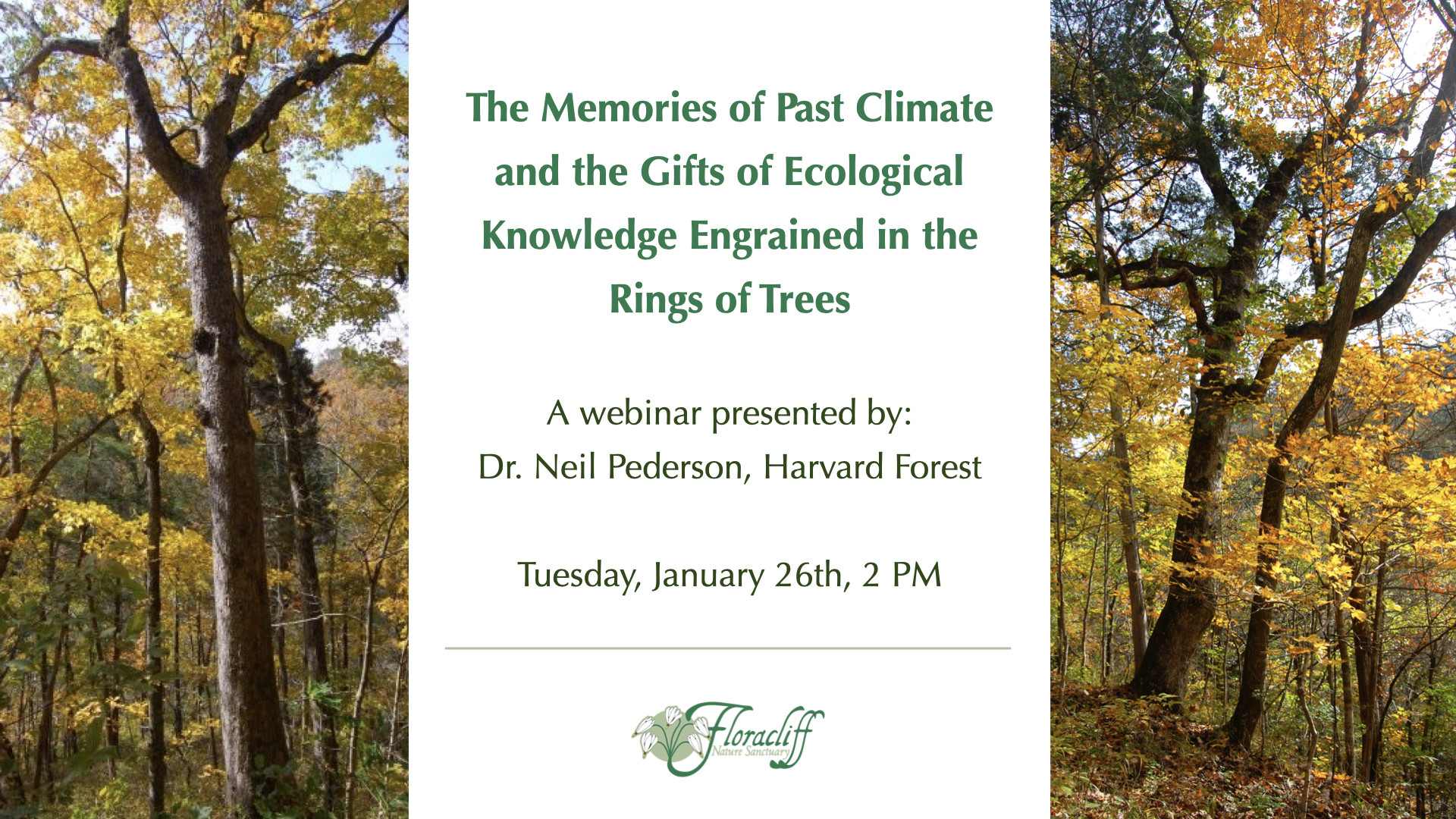
Presenter: Dr. Neil Pederson, Harvard Forest
Trees are witnesses of how our shared environment changes over time. The oldest trees, in fact, and perhaps not surprisingly, often have the best stories. In this webinar, Dr. Neil Pederson will share how people have learned to recognize and “interview” the eldest trees in the forest. Their stories can gives us insight on the dynamics of our world.
Join Floracliff Nature Sanctuary and fellow nature lovers for a virtual trivia night. We will test your knowledge on our local trees, frogs, butterflies, and more!
Presented by: Rob Paratley, University of Kentucky
This webinar presented by Rob Paratley begins in 18th Century Sweden with botanist Carl Linnaeus, the so-called “Father of Taxonomy” (the science of classifying Nature). Linnaeus’ conversation with Nature, the How and What of Nature’s diversity, are with us yet today, but he and those that followed left unanswered the questions of Why. Why is Nature patterned the way that Linnaeus first saw? What causes natural groups? What does natural affinity actually mean? Religious men and creationists, the best they could do was to invoke the plan of the Deity. This changed forever with Darwin’s Great Taxonomic Insight. Rob will discuss how Darwin’s evolutionary thinking changed forever the way we converse with Nature.
Presented by Beverly James, Preserve Director
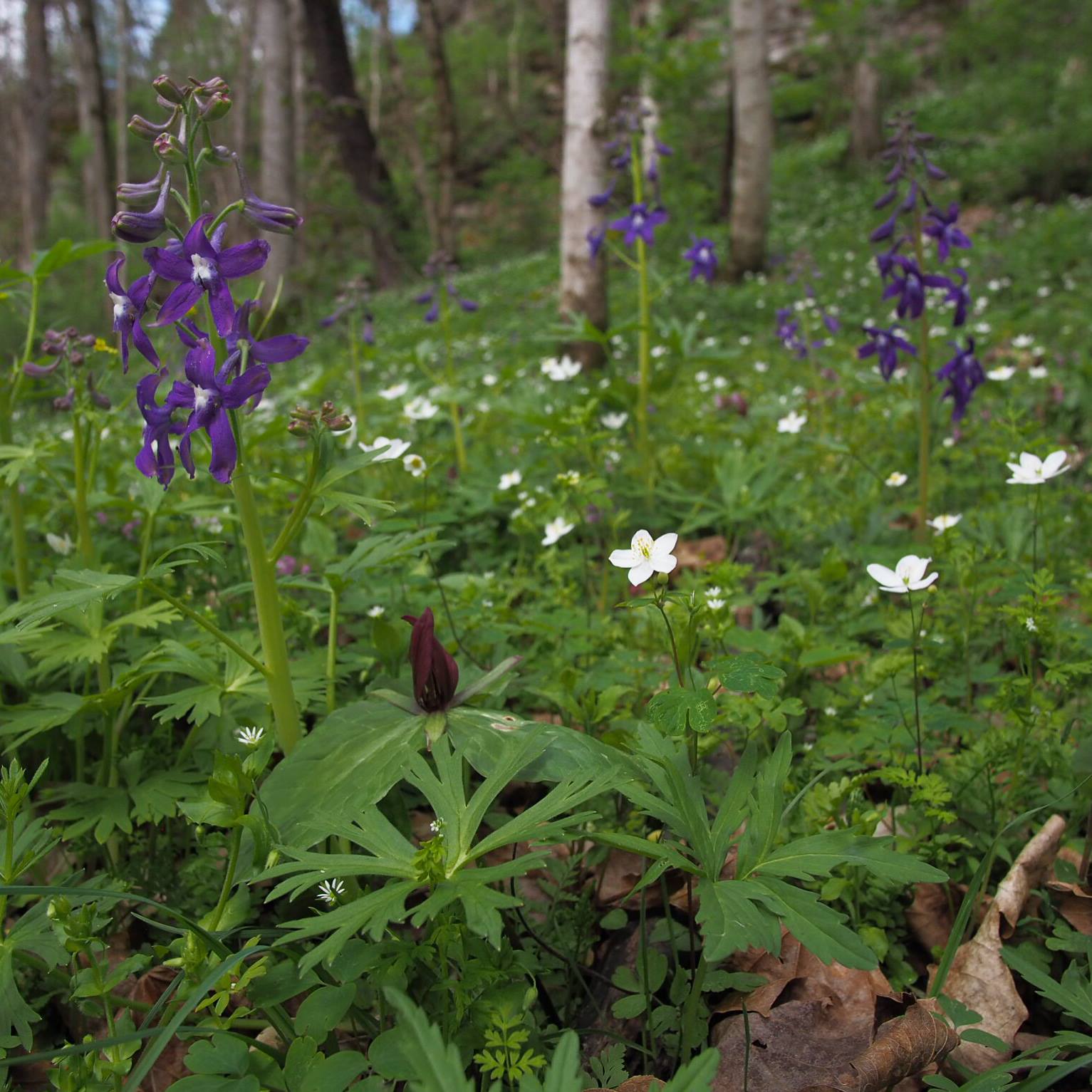
As the days become longer and the temperatures begin to warm, the forest floor comes alive with spring wildflowers and the wildlife they attract. This webinar will guide you through the wildflower season at Floracliff, taking a closer look at the phenology, pollinator relationships, and natural history of our most treasured spring wildflowers.
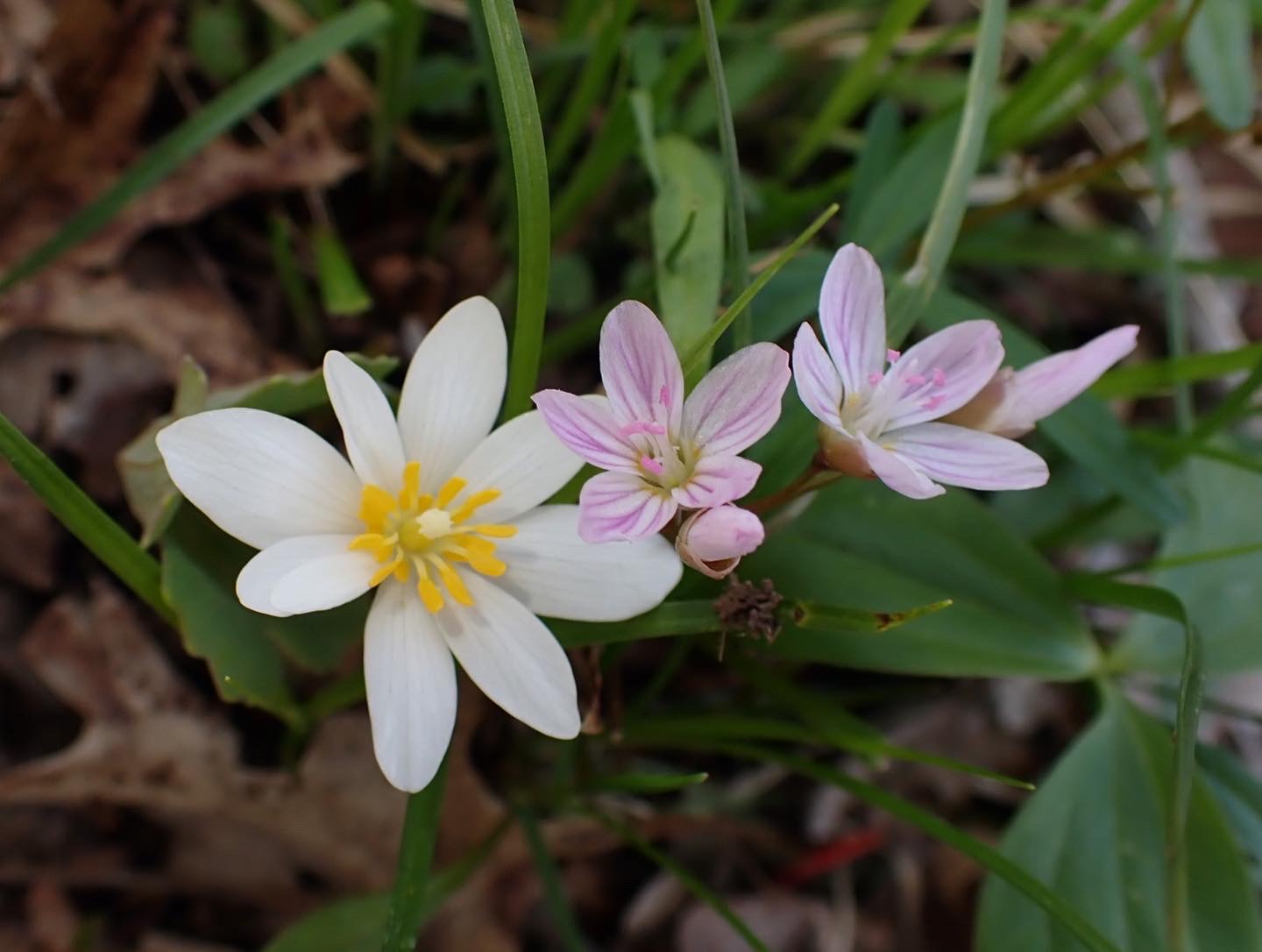
Join us for a wildflower hike to Elk Lick Falls. Hopefully, we will see some of our earliest spring wildflowers, such as bloodroot, trout lilies, and spring beauties.
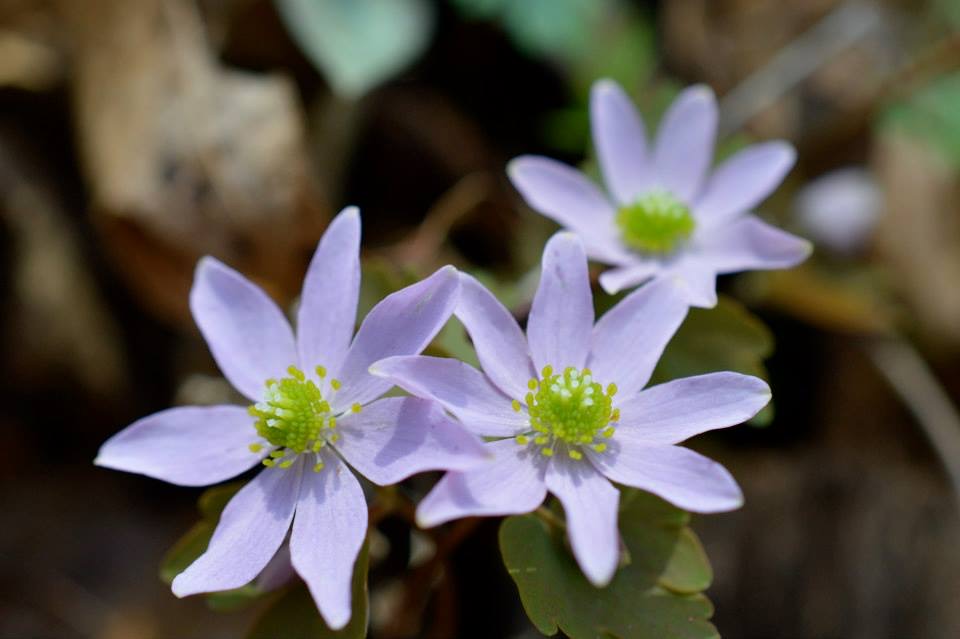
By late March, our spring wildflower season should be in full swing. We will be offering two separate hikes to view wildflowers throughout the sanctuary.
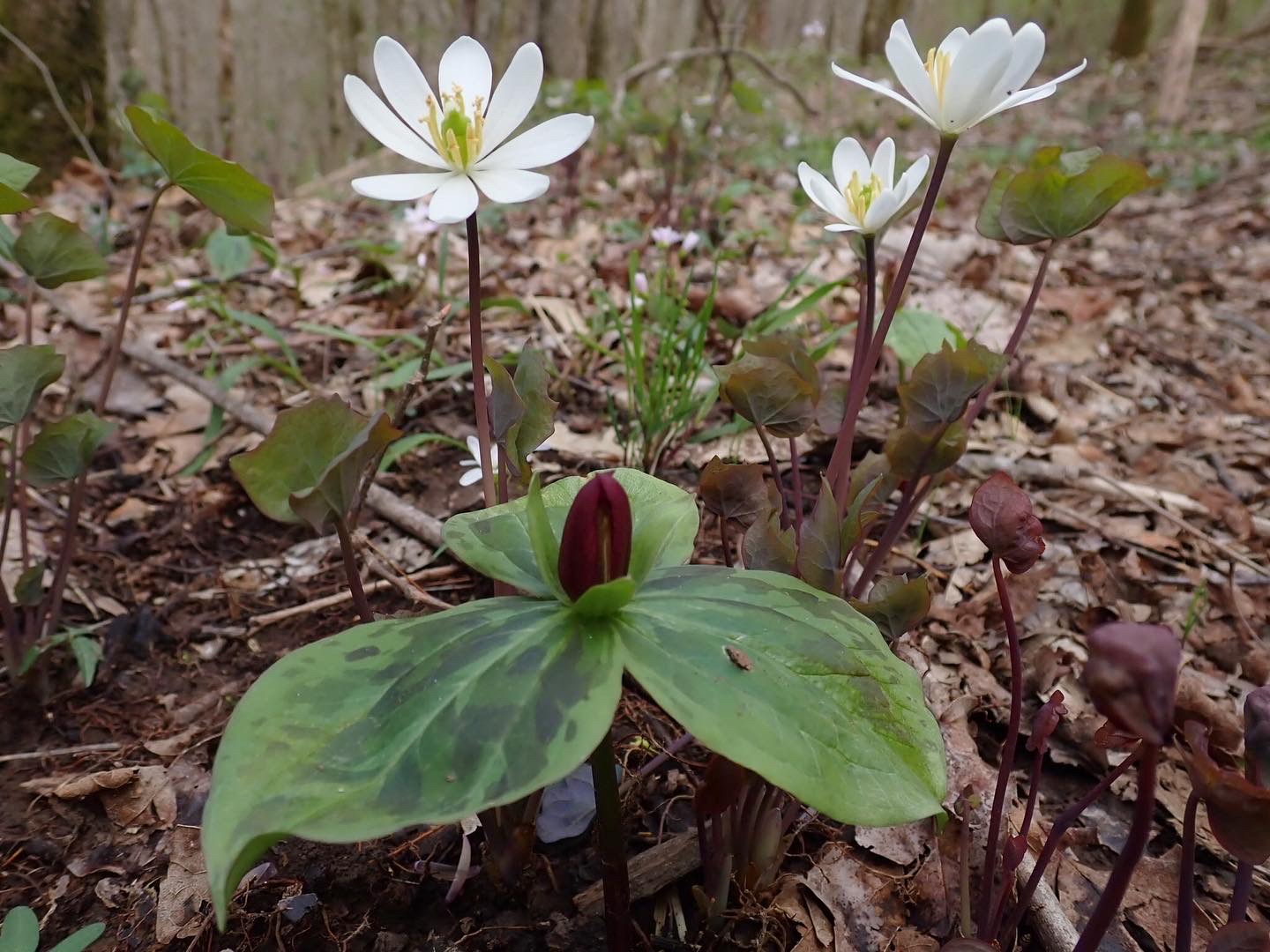
This should be a good time to view a variety of early spring ephemerals at Floracliff. We hope to see sessile trillium, Virginia bluebells, yellow trout lilies, and many more.
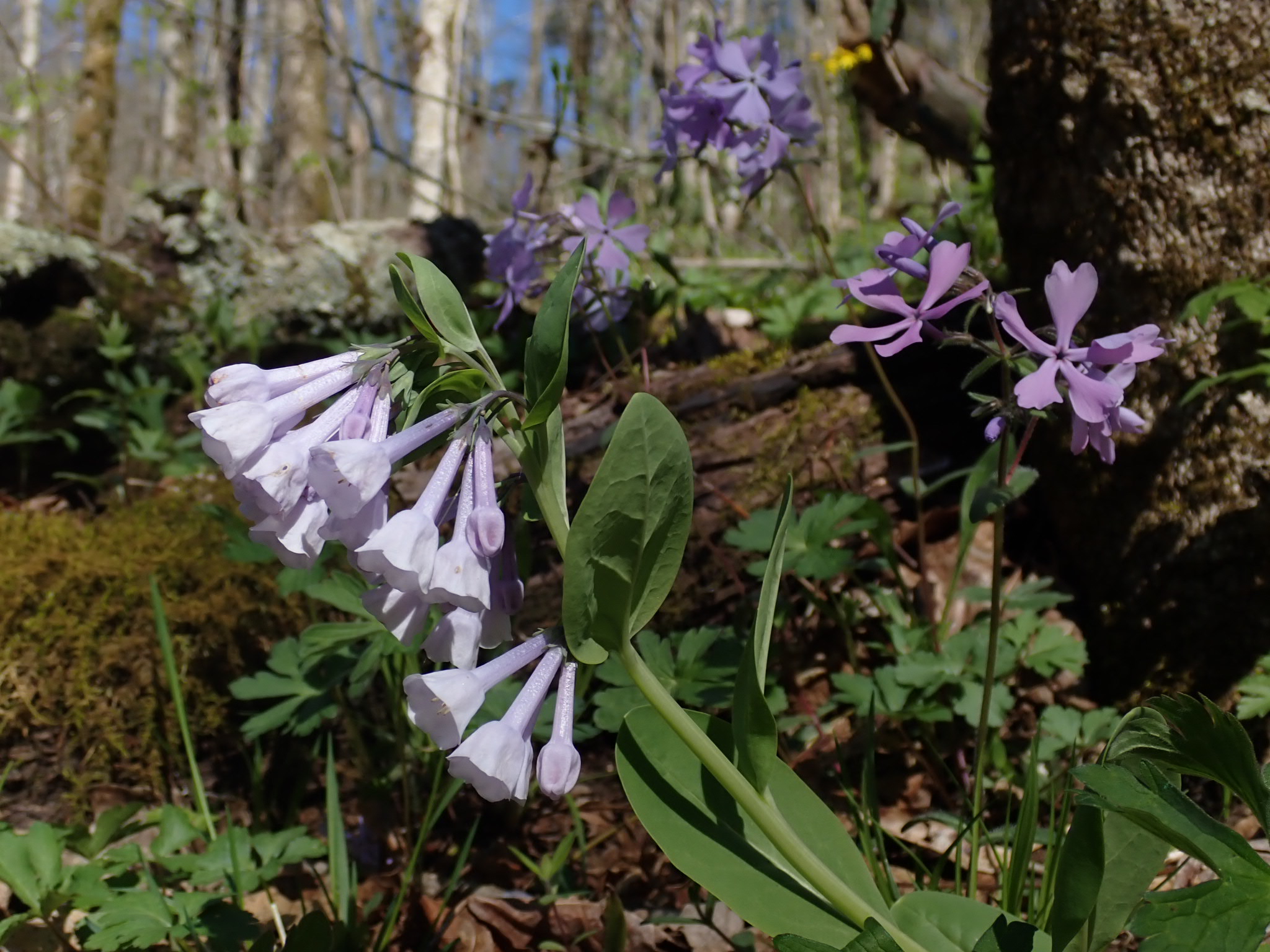
Celebrate spring’s beauty and explore some of the connections between spring wildflowers, their habitats, and us.
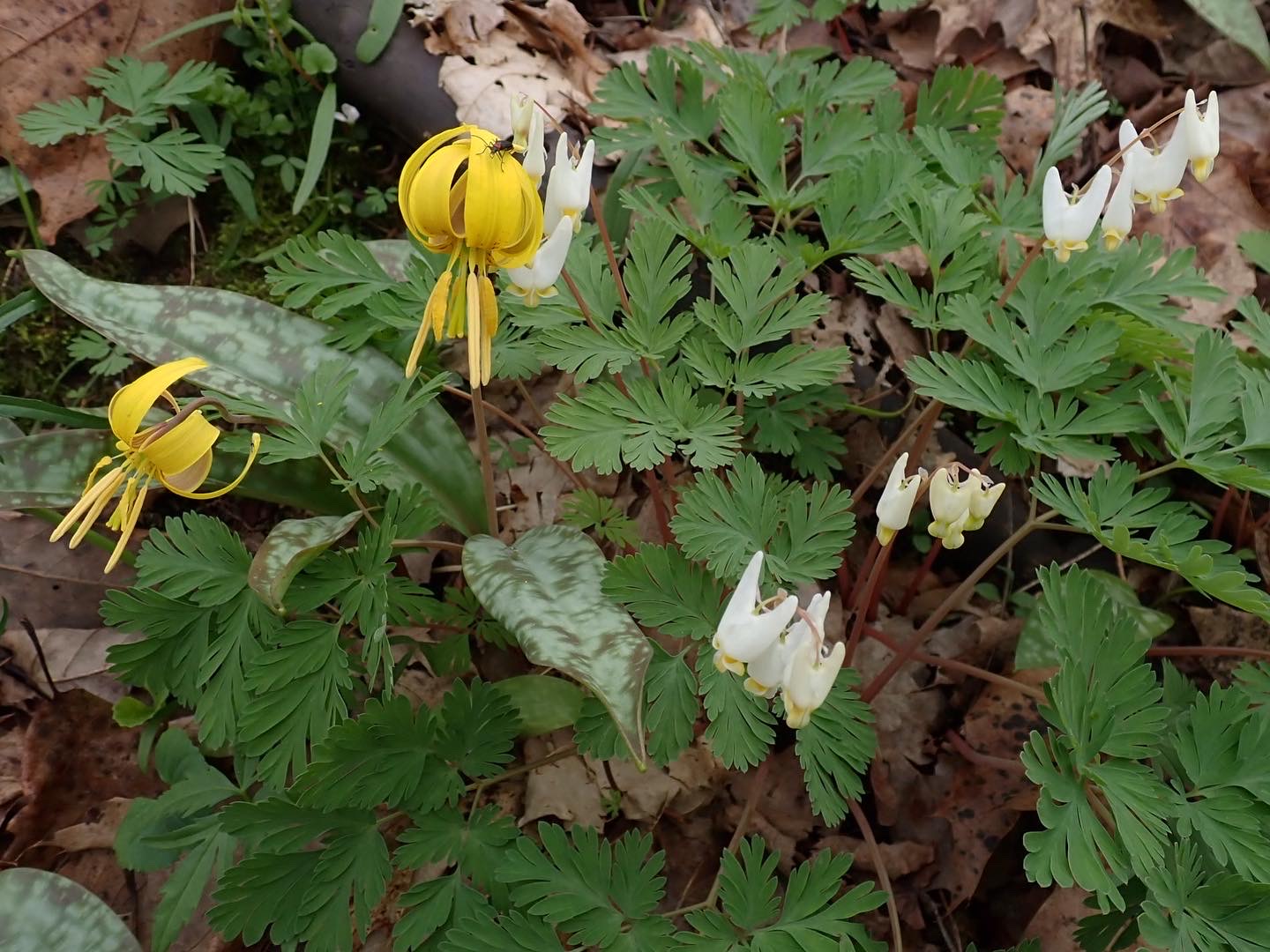
Join us for a wildflower hike during peak wildflower season. We will be offering two separate hikes to view wildflowers throughout the sanctuary. One hike will take our best wildflower trail and visit Elk Lick Creek. The other hike will head to Elk Lick Falls and Elk Lick Creek.
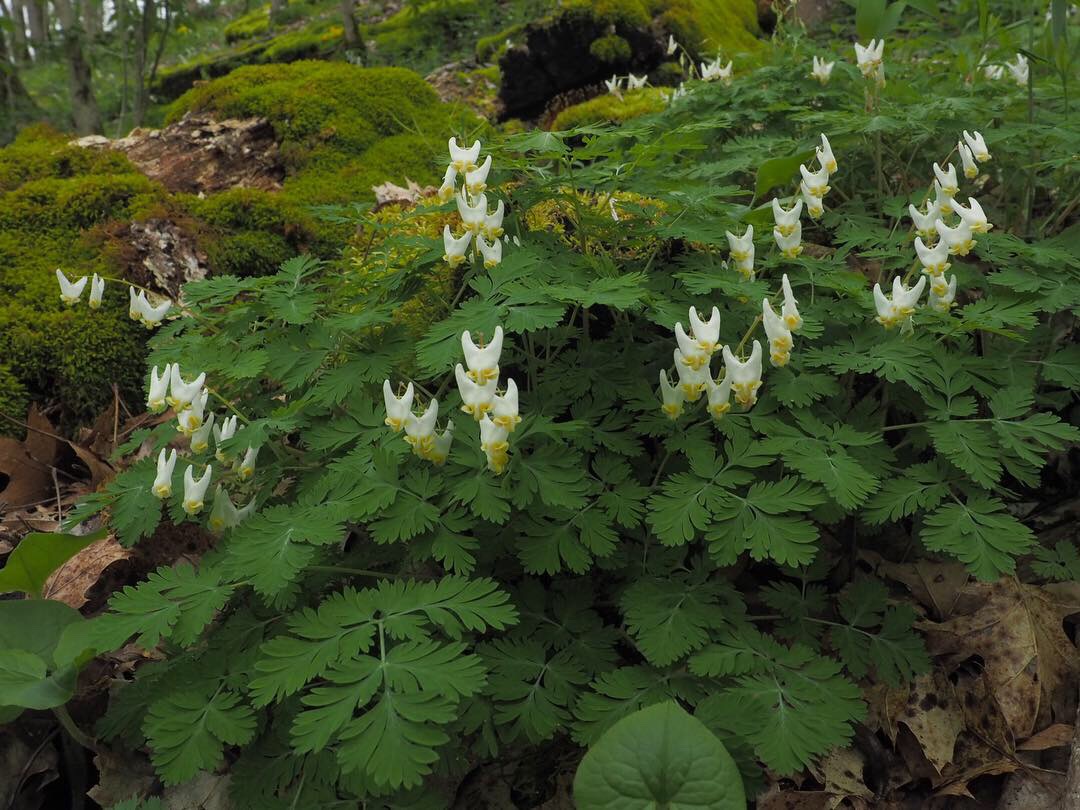
This hike will feature our best wildflower trail during peak wildflower season.
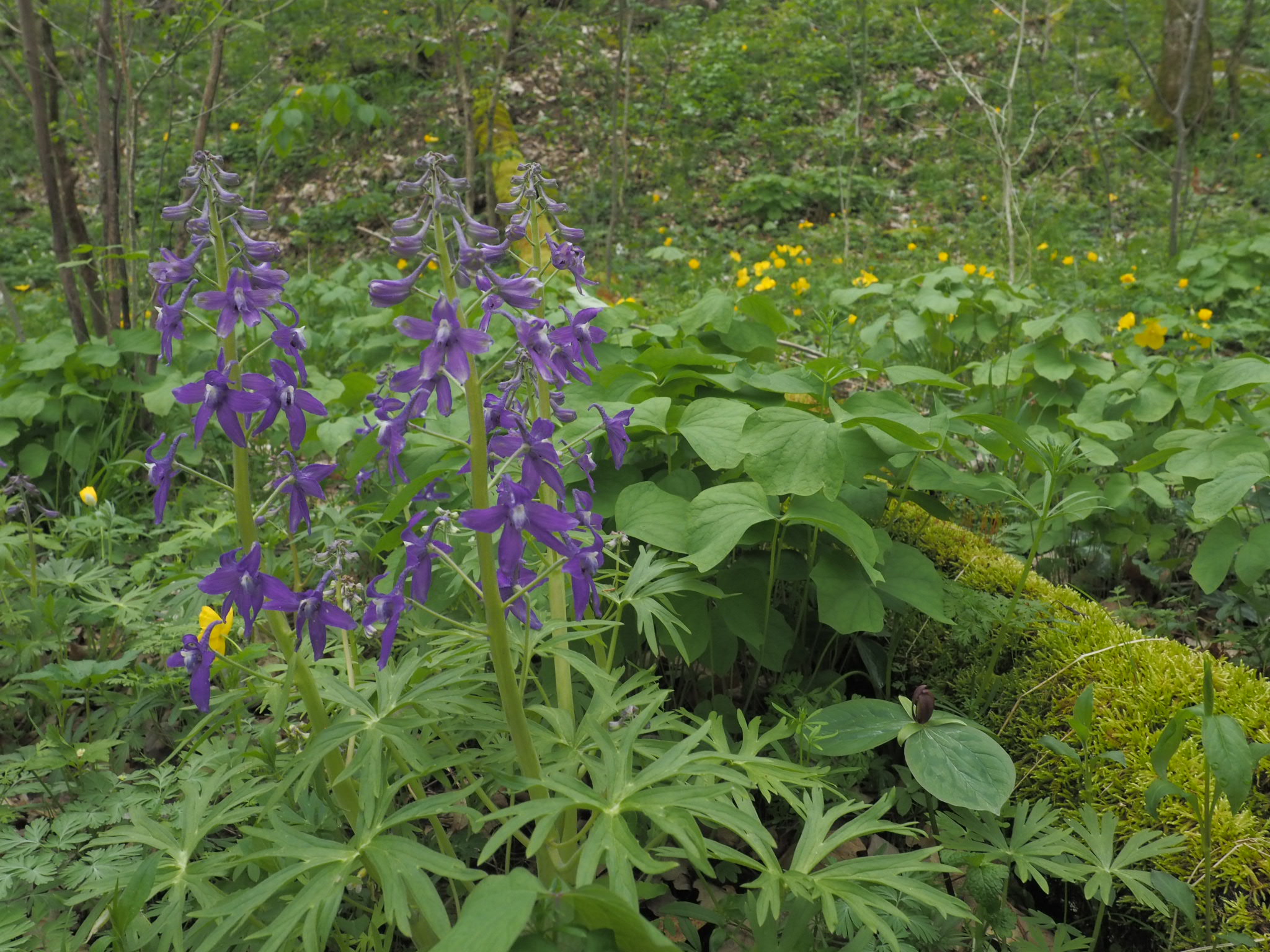
Peak wildflower season will continue for these hikes. We will be offering two separate hikes to view wildflowers throughout the sanctuary. One hike will take our best wildflower trail and visit Elk Lick Creek. The other hike will head to Elk Lick Falls and Elk Lick Creek. We hope to see dwarf larkspur, wood poppies, and more.
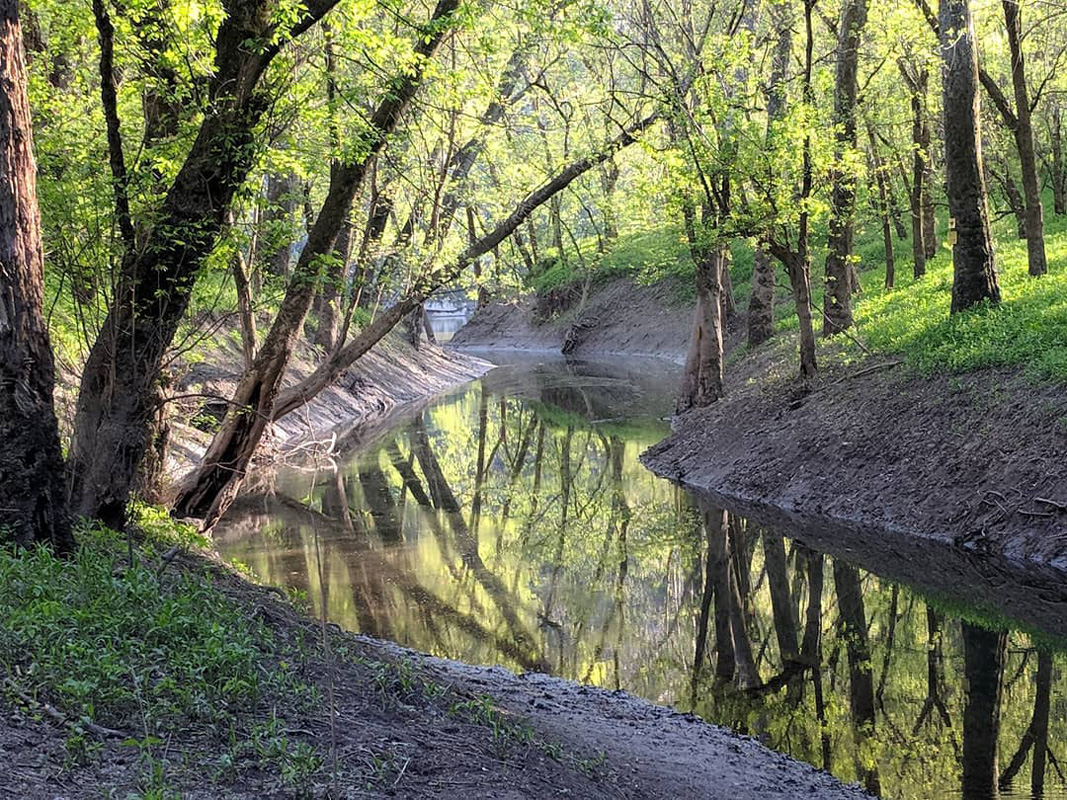
End your day with a quiet and relaxing “magic hour” hike at Floracliff. We will be offering two separate hikes to view wildflowers throughout the sanctuary as the early evening sunlight shines through the trees. One hike will feature Elk Lick Falls and the other hike will feature the Kentucky River.
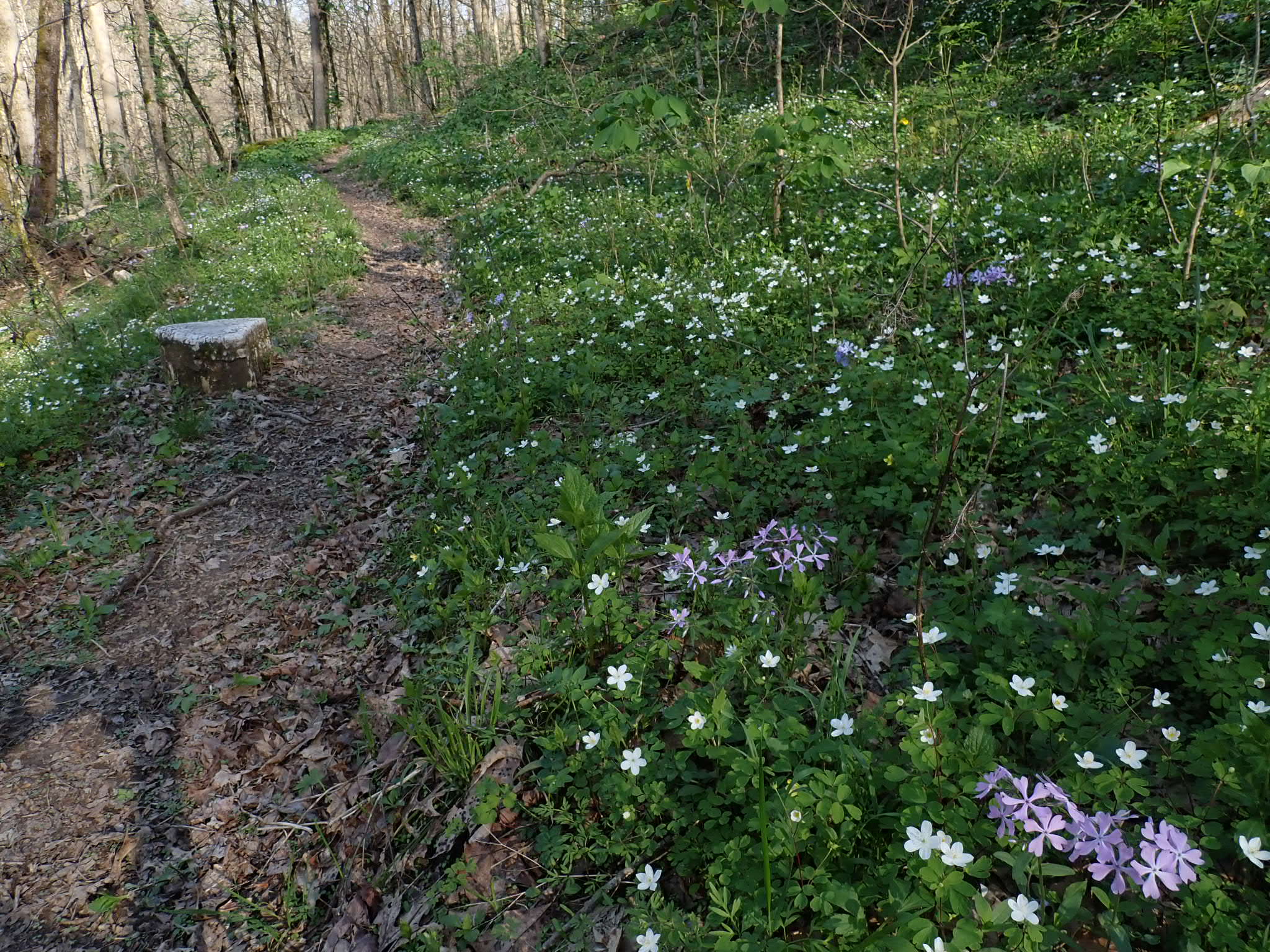
Join us for a hike to see and enjoy Floracliff's wildflowers during their peak. We will be offering two separate hikes to view wildflowers throughout the sanctuary. One hike will take our best wildflower trail and visit Elk Lick Creek. The other hike will head to Elk Lick Falls and Elk Lick Creek. We hope to see bishop's cap, shooting star, Jacob's ladder and more.
Presented by Beverly James, Preserve Director
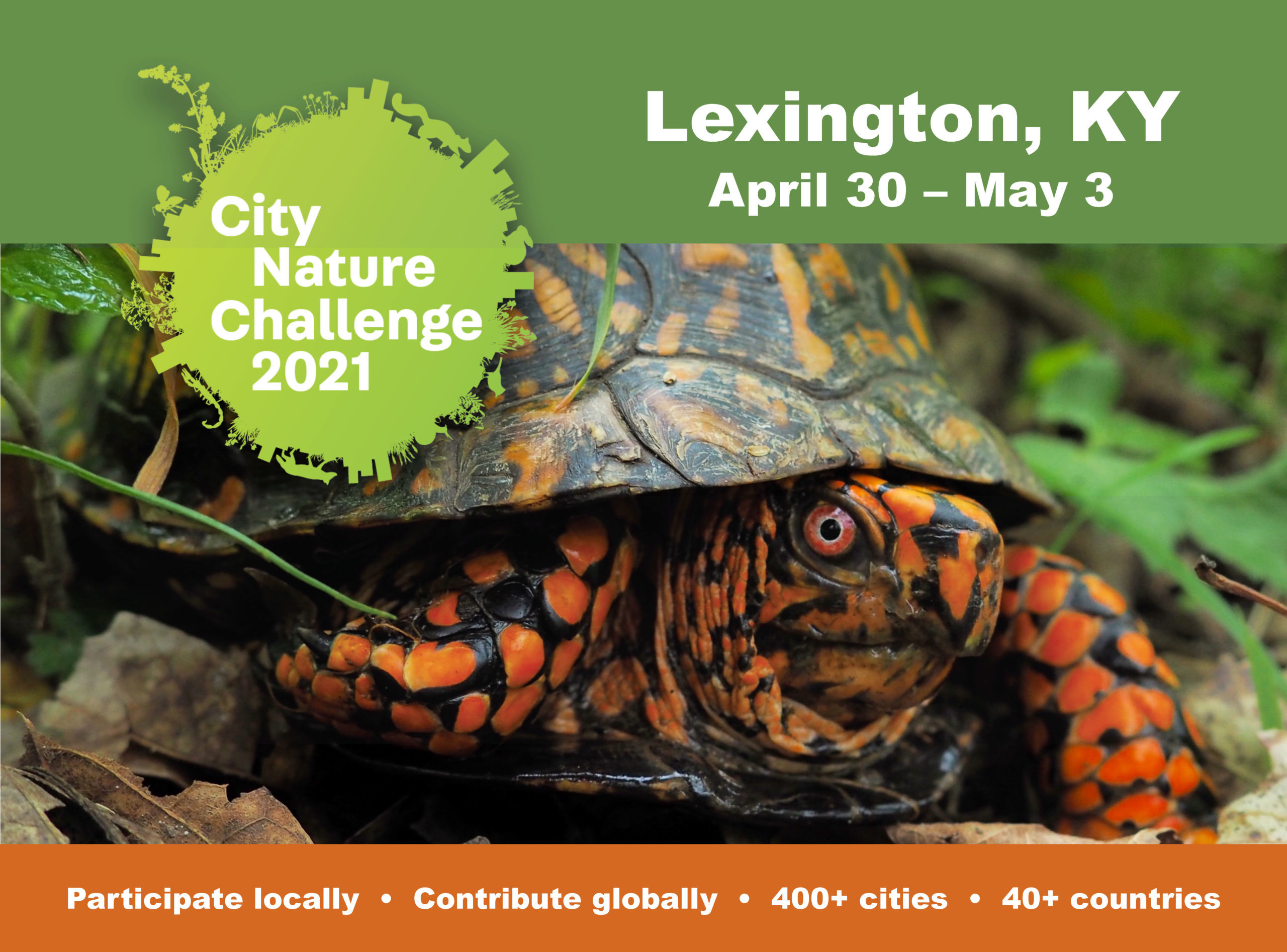
The City Nature Challenge is a global 4-day community science project aimed at documenting nature in and around urban areas. Floracliff Nature Sanctuary is bringing the City Nature Challenge to Lexington for the first time in April. Learn more about the City Nature Challenge, how you can participate, and the value of finding and sharing observations of urban nature.
This program will focus on exploring Floracliff’s ponds and forest edges after dark. We will visit the ponds near the nature center to inspect the frog activity and will have UV lights and sheets set-up to attract moths and other insects.
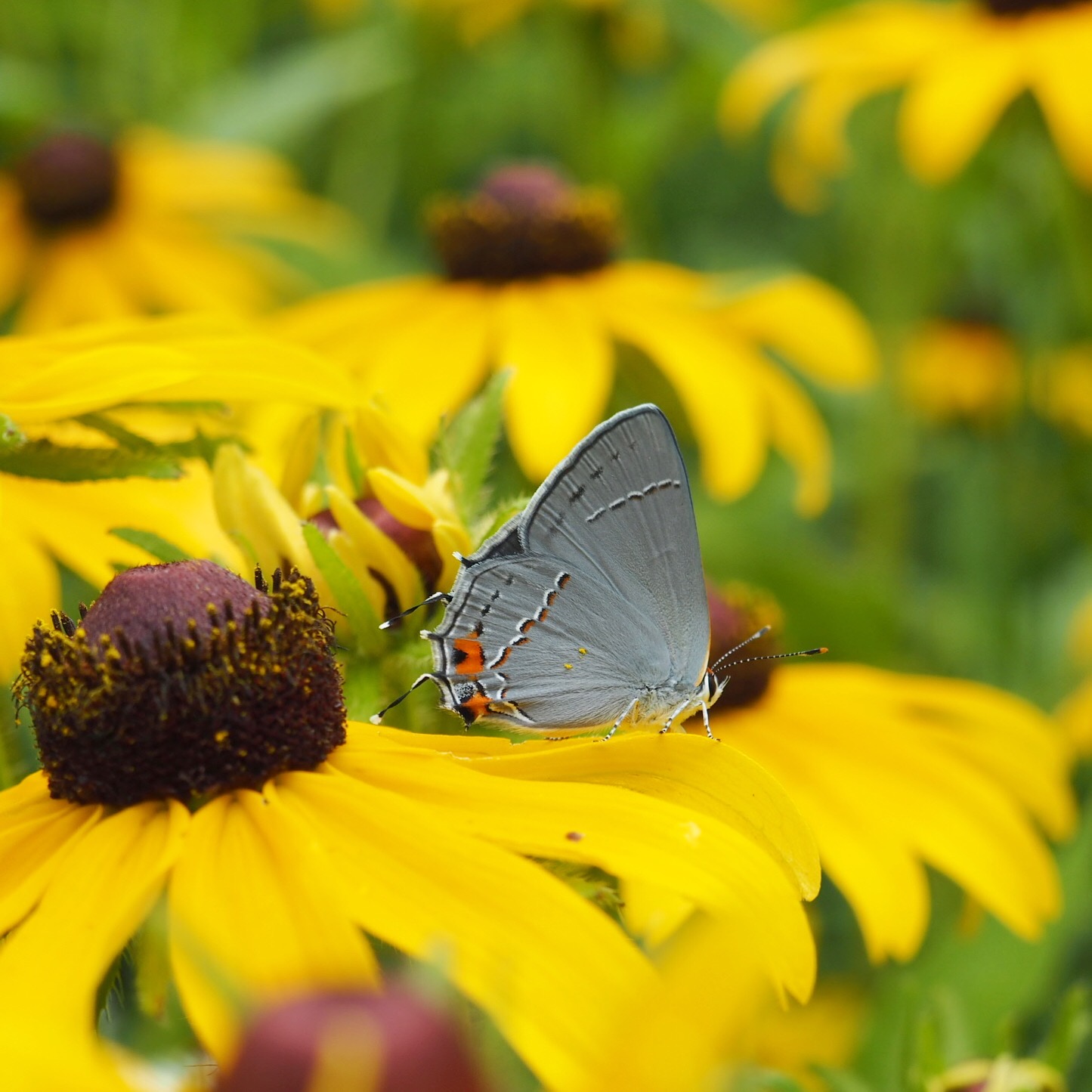
Nearly 150 butterflies have been documented throughout Kentucky. This webinar presentation will feature over 45 of the most common summer butterflies in the Inner Bluegrass region. Participants will learn tricks for identification, basic biology of butterflies, and their relationships with native plants. We will also cover community science projects and resources so that participants can document and share their butterfly observations.
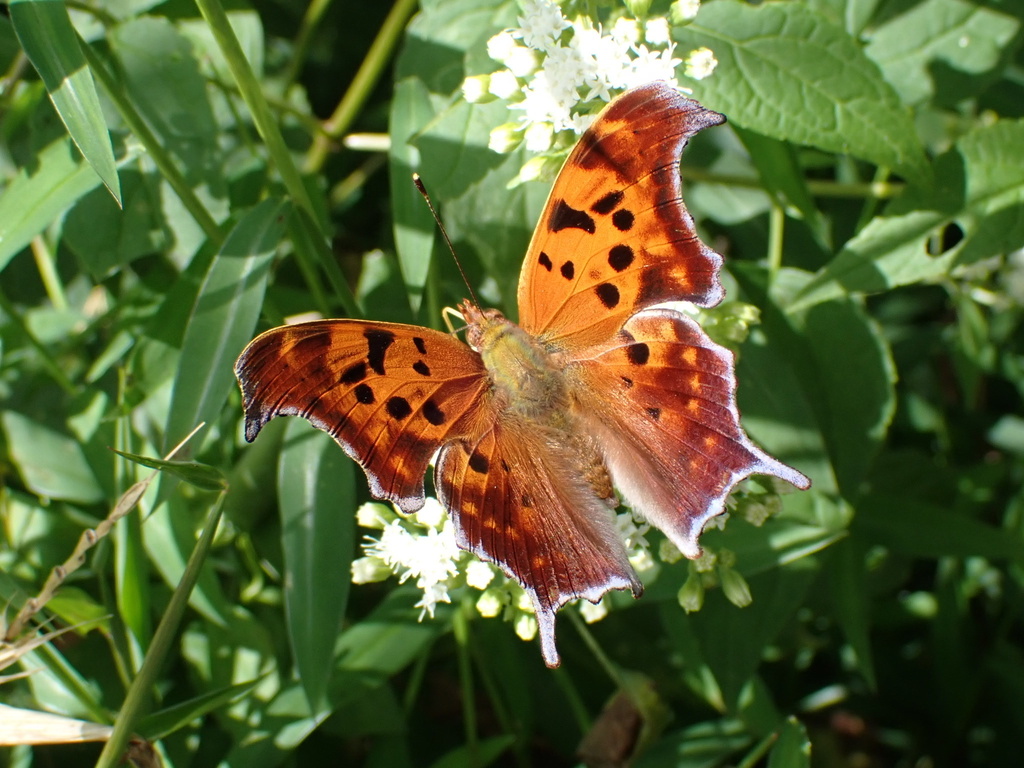
Preserve Director Beverly James will lead this hike highlighting identification and natural history of butterflies as well as the wildflowers and hostplants they depend on. We'll spend some time in the pollinator field by the nature center before heading into the forest to look for woodland butterflies and flowers.
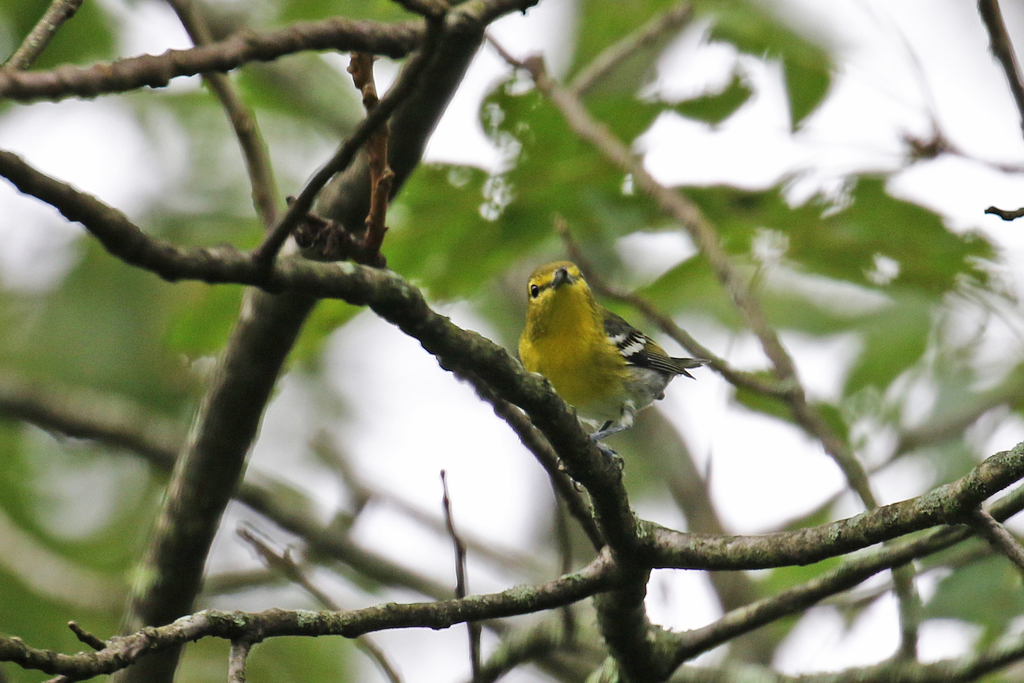
This early morning walk will focus on observing and identifying migratory and resident birds of Floracliff's fields and forests.
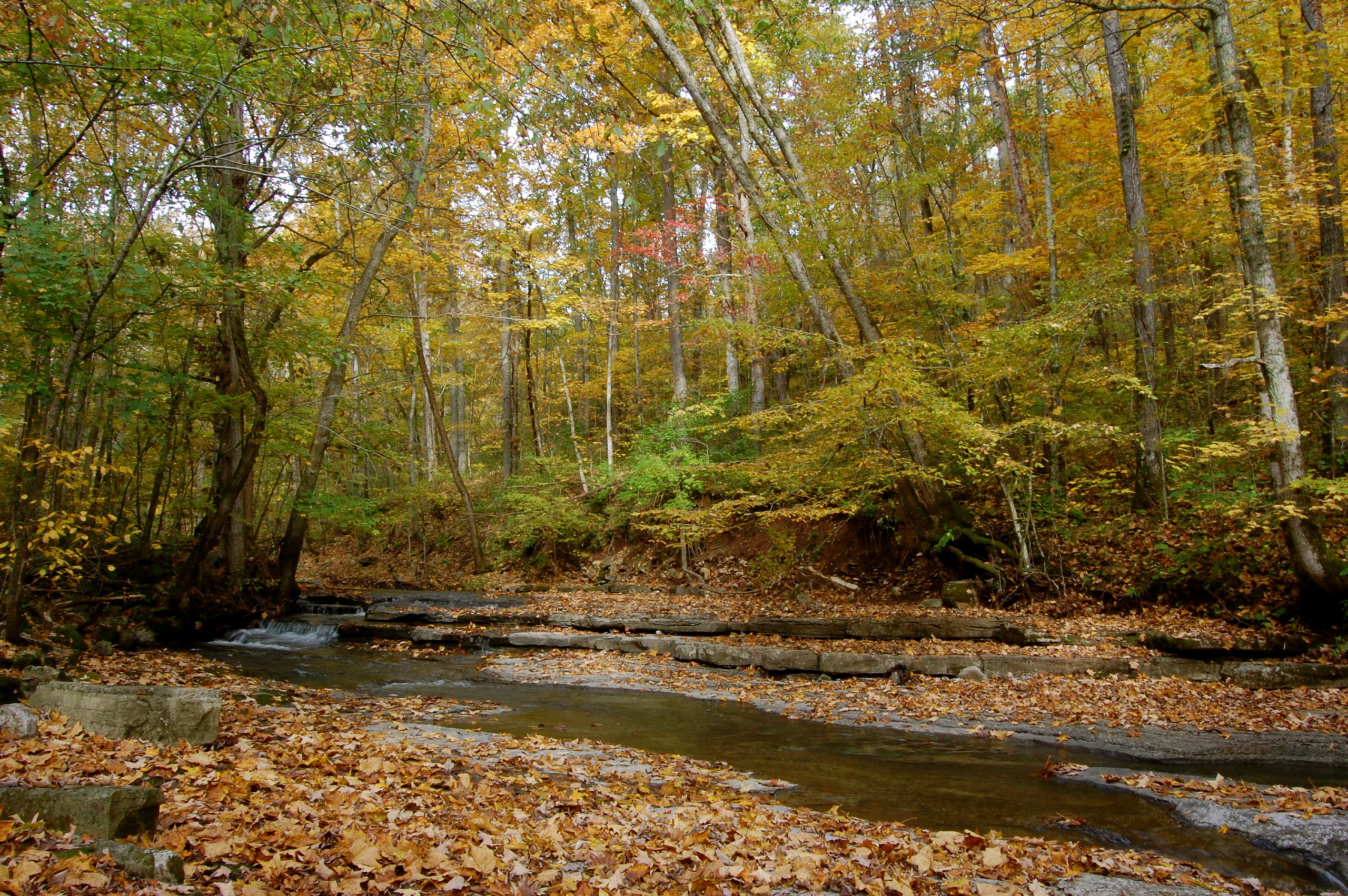
Trees have intricate relationships with their environment as well as other living plants, animals, and fungi. This hike will highlight the various relationships and benefits trees provide, from hostplants and nest sites to stream health and human health. Join us on a hike through the forest to Elk Lick Creek to learn about these connections and deepen your own relationship with trees.
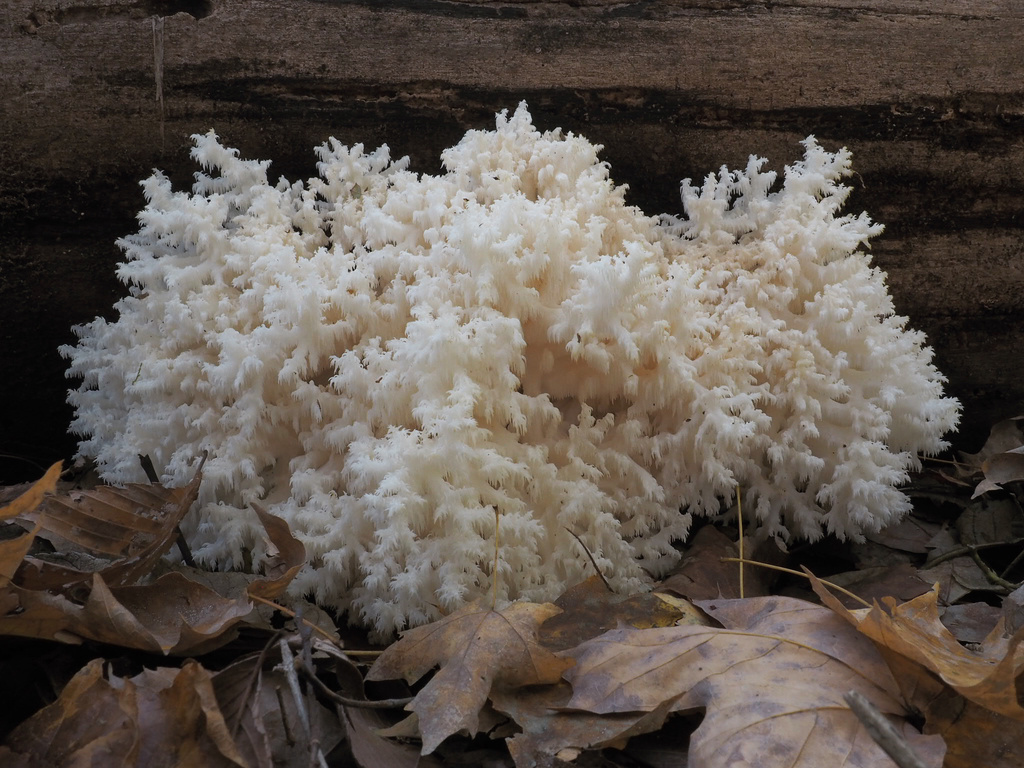
Come join us as we explore the fantastic world of fungi found at Floracliff. We will discuss mushroom biology and ecology, and highlight the basics of how to identify different kinds of fungi. We will also highlight the many roles fungi can play in ecology and forest health, from the good, to the bad, to the downright creepy.
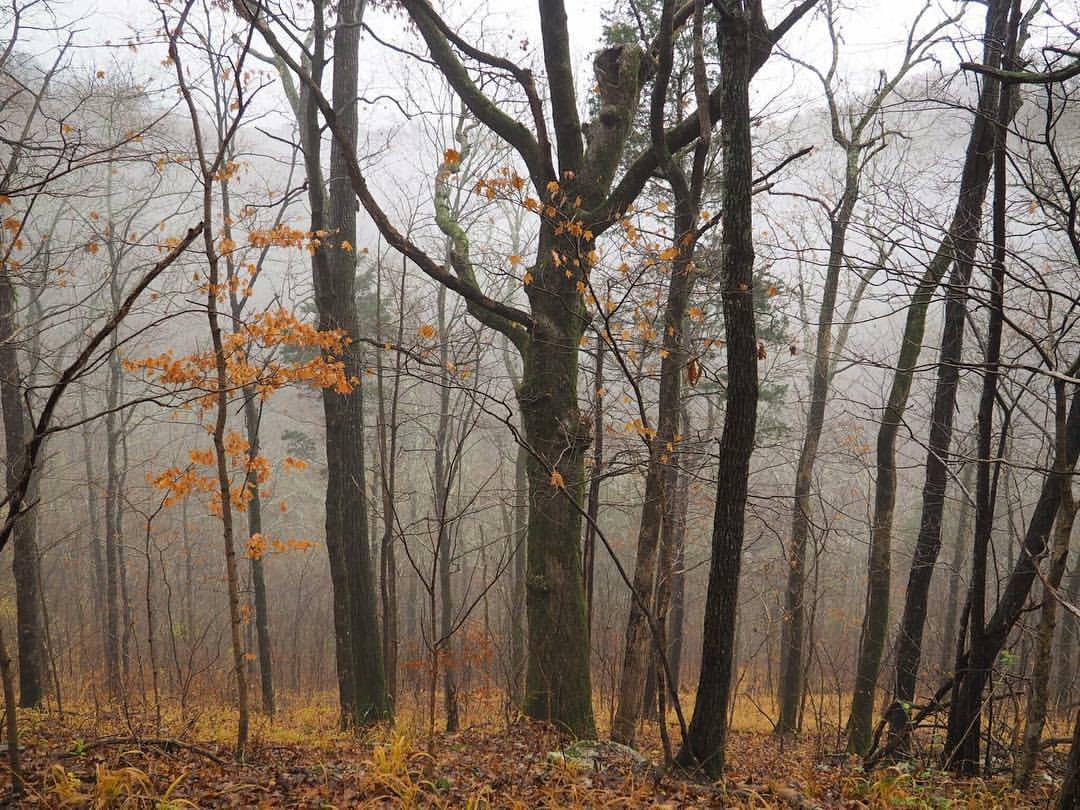
Floracliff's forested ravines are home to some of the oldest known trees in Kentucky. This hike will feature many of these 17th- and 18th-century chinquapin oaks. We will discuss the characteristics of old trees, the uniqueness of Floracliff’s old trees, and their significance to the region.
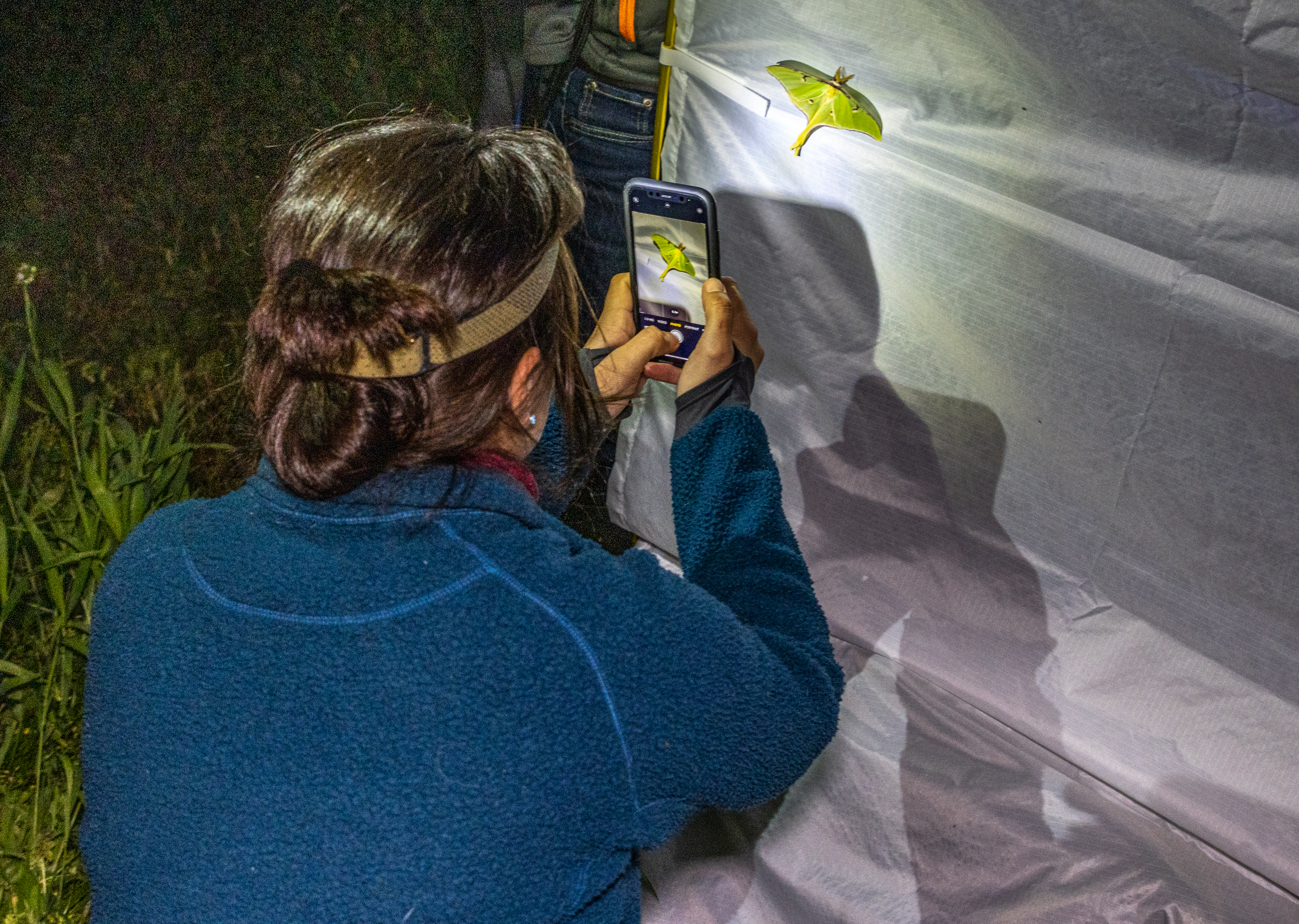
iNaturalist is a community science app and website used by professional and amateur naturalists around the world to document and learn about biodiversity. It's not only an important tool for projects like City Nature Challenge and National Moth Week, but also a resource to learn about what is in your own yard or neighborhood. Anyone can contribute to and participate in iNaturalist by uploading observations of plants, animals, fungi, and more. This webinar will go over the basics of how to use iNaturalist and the benefits it provides to individual knowledge and global biodiversity information.
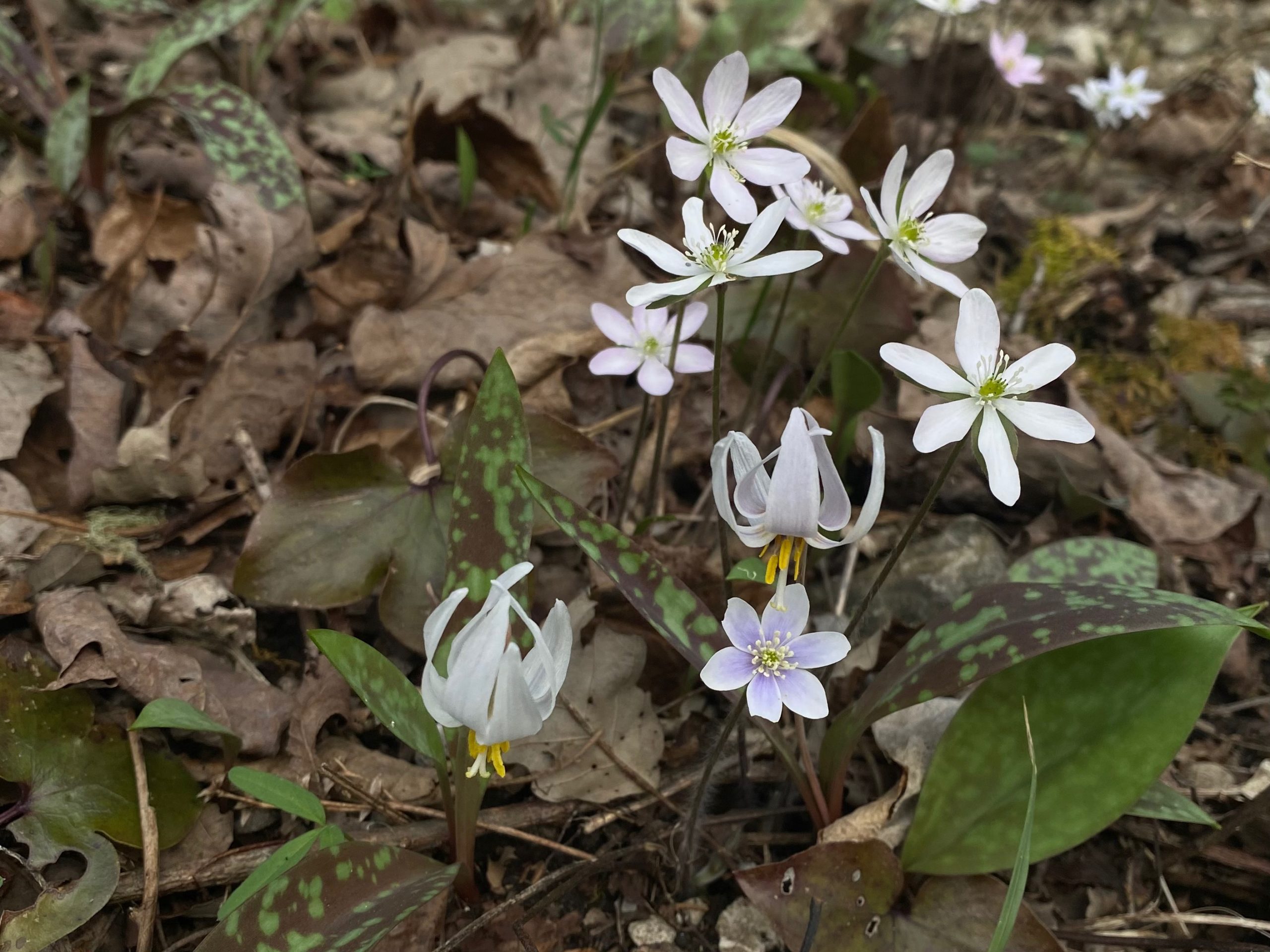
Join us for an early spring wildflower hike to see the first blooms of the season. This hike will highlight identification, ecology, and pollinator relationships of our spring ephemerals.
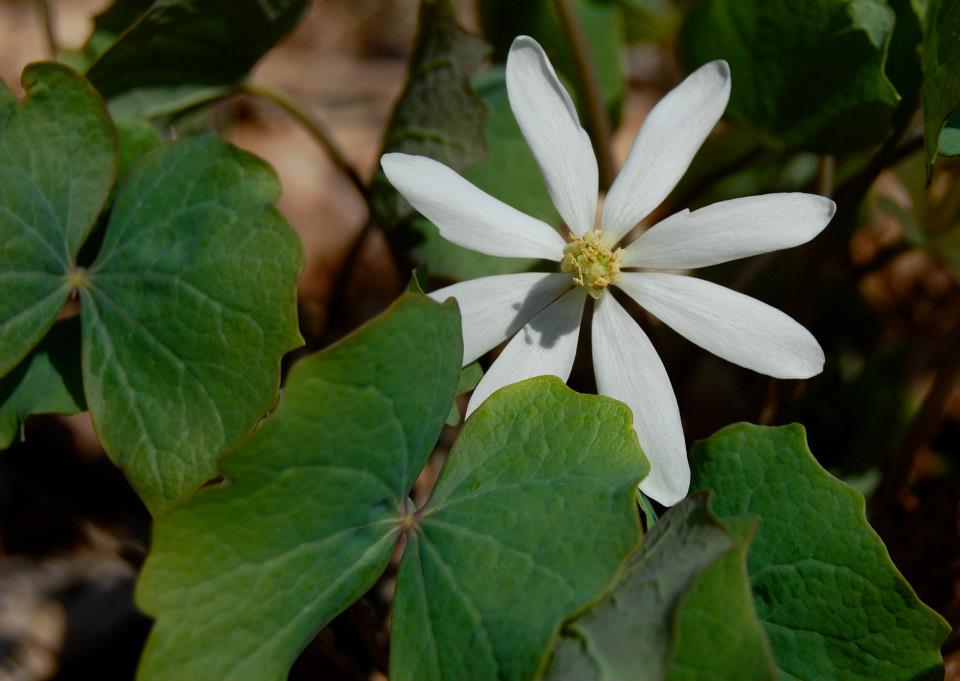
We are happy to be hosting Laura Baird, Assistant Naturalist at Shaker Village, for this wildflower hike. She'll be covering natural history, folklore, pollinator relationships, and other information about some of our early spring ephemerals.
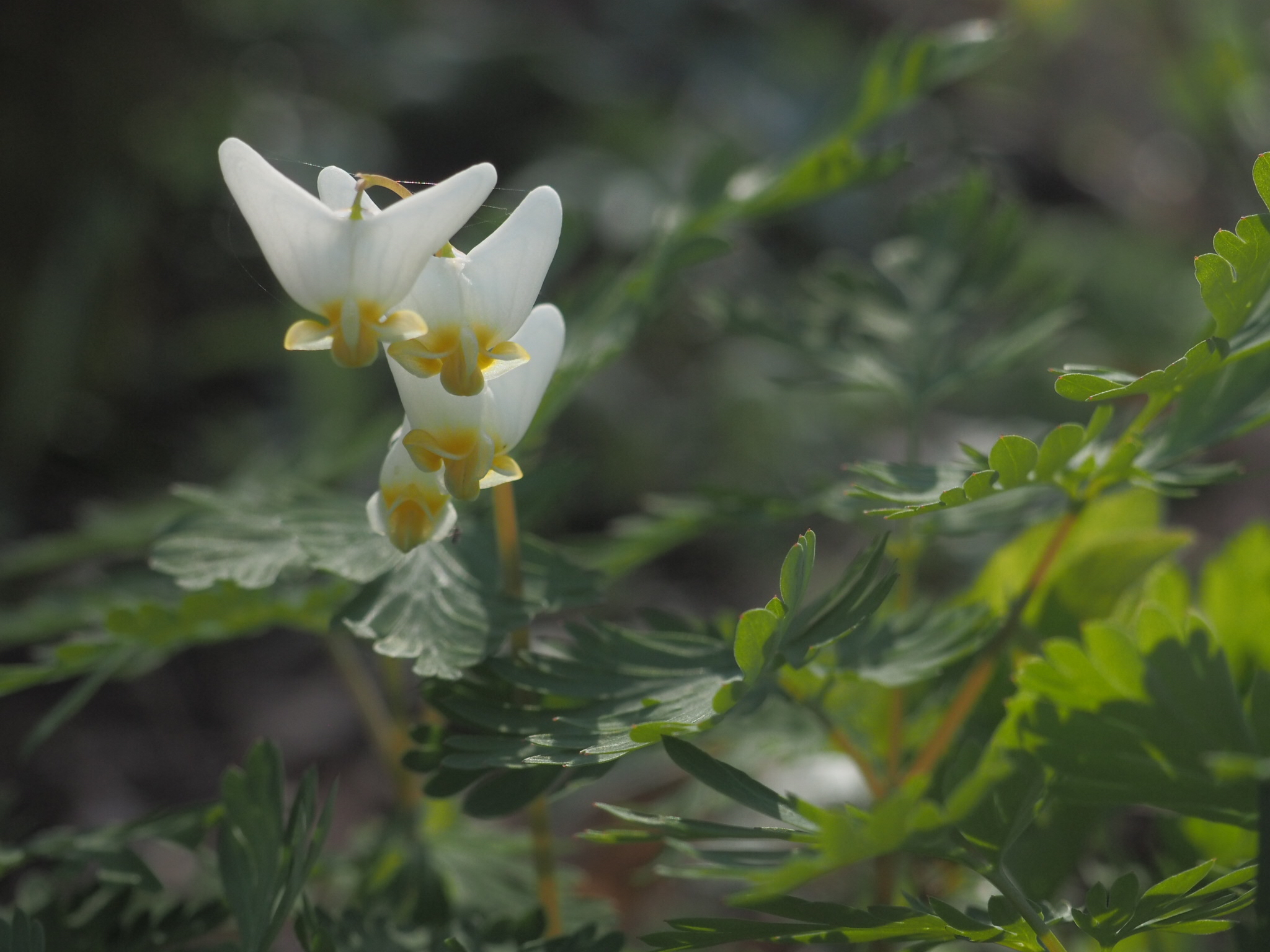
Learn to identify some of our spring ephemeral wildflowers. Along the way we will discuss natural history, pollinator relationships, and more.
Celebrate spring’s beauty and explore some of the connections between spring wildflowers, their habitats, and us.