Kentucky Nature Trivia: Bluegrass Biodiversity
Join Floracliff Nature Sanctuary and fellow nature lovers for a virtual trivia night. We will test your knowledge on our local trees, frogs, butterflies, and more!
Free

Join Floracliff Nature Sanctuary and fellow nature lovers for a virtual trivia night. We will test your knowledge on our local trees, frogs, butterflies, and more!
Presented by: Rob Paratley, University of Kentucky
This webinar presented by Rob Paratley begins in 18th Century Sweden with botanist Carl Linnaeus, the so-called “Father of Taxonomy” (the science of classifying Nature). Linnaeus’ conversation with Nature, the How and What of Nature’s diversity, are with us yet today, but he and those that followed left unanswered the questions of Why. Why is Nature patterned the way that Linnaeus first saw? What causes natural groups? What does natural affinity actually mean? Religious men and creationists, the best they could do was to invoke the plan of the Deity. This changed forever with Darwin’s Great Taxonomic Insight. Rob will discuss how Darwin’s evolutionary thinking changed forever the way we converse with Nature.
Presented by Beverly James, Preserve Director
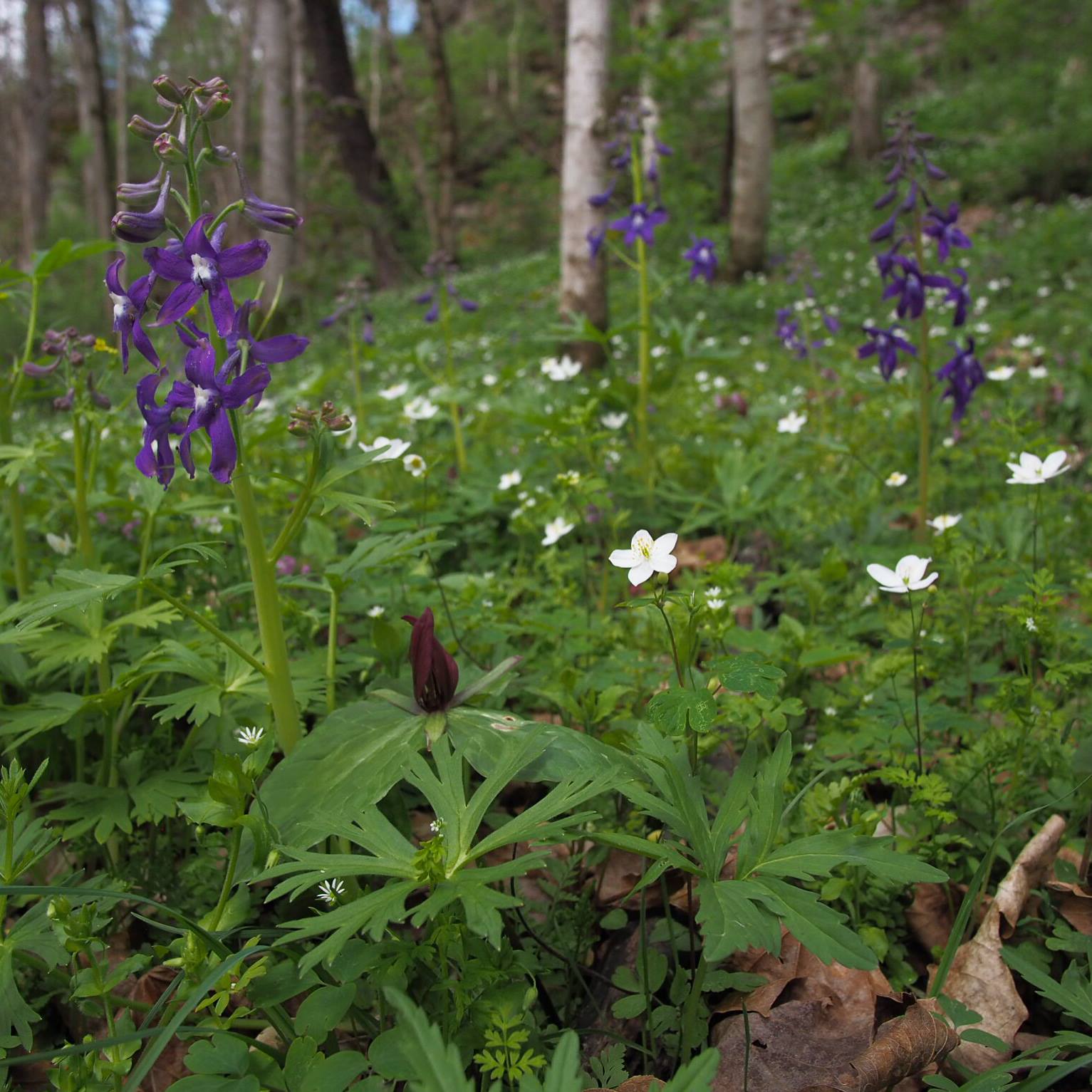
As the days become longer and the temperatures begin to warm, the forest floor comes alive with spring wildflowers and the wildlife they attract. This webinar will guide you through the wildflower season at Floracliff, taking a closer look at the phenology, pollinator relationships, and natural history of our most treasured spring wildflowers.
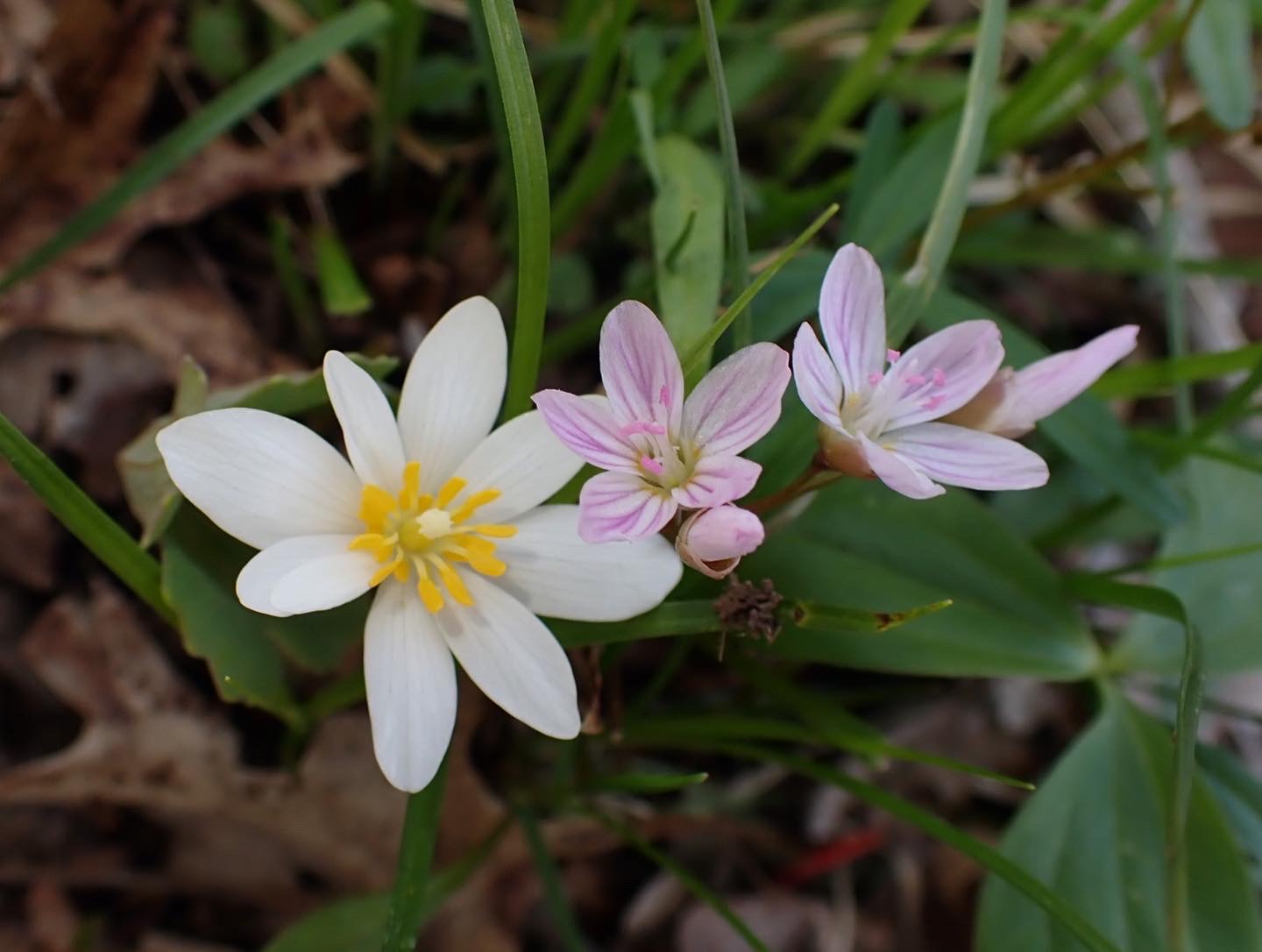
Join us for a wildflower hike to Elk Lick Falls. Hopefully, we will see some of our earliest spring wildflowers, such as bloodroot, trout lilies, and spring beauties.
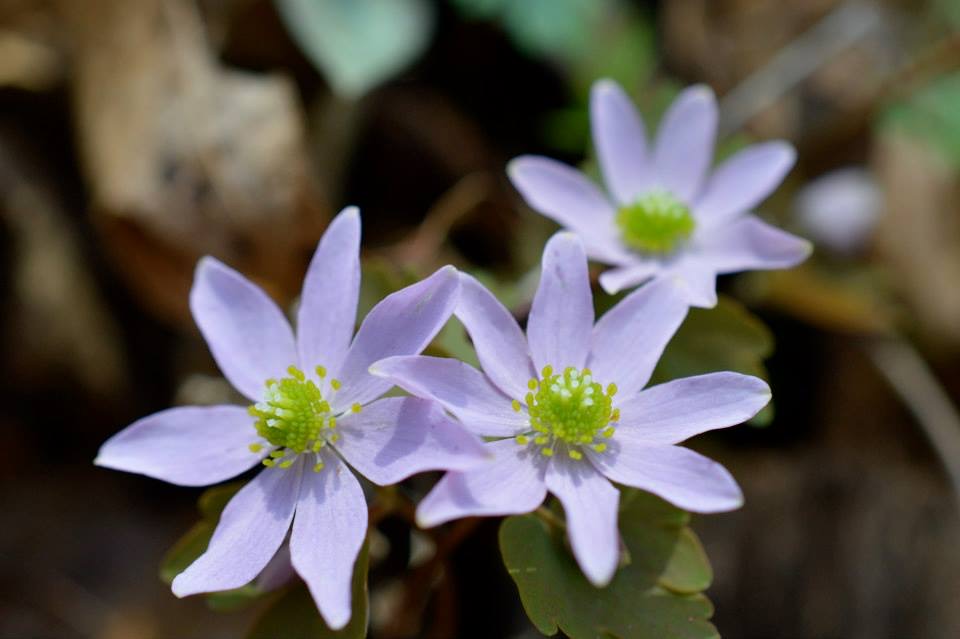
By late March, our spring wildflower season should be in full swing. We will be offering two separate hikes to view wildflowers throughout the sanctuary.
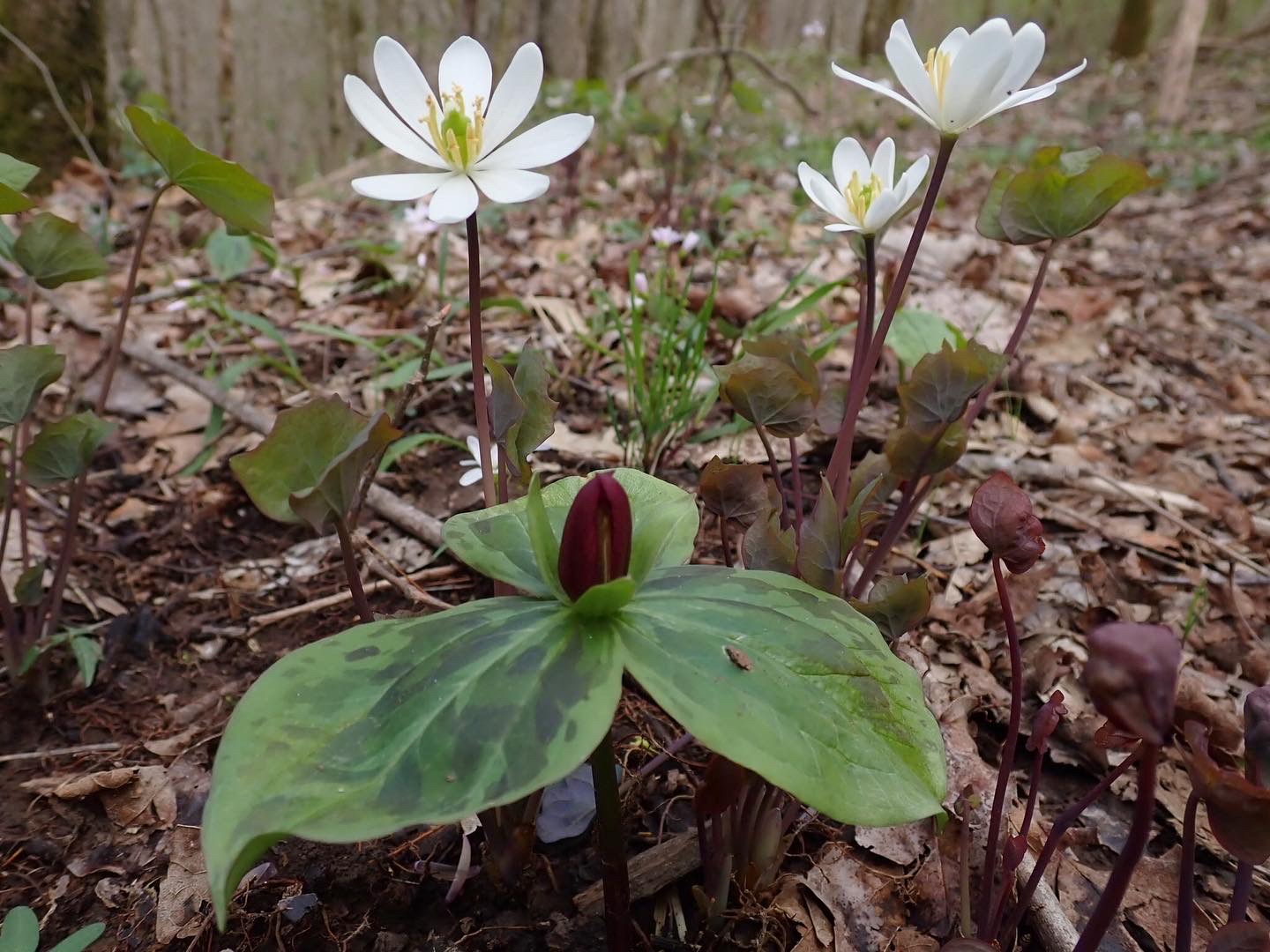
This should be a good time to view a variety of early spring ephemerals at Floracliff. We hope to see sessile trillium, Virginia bluebells, yellow trout lilies, and many more.
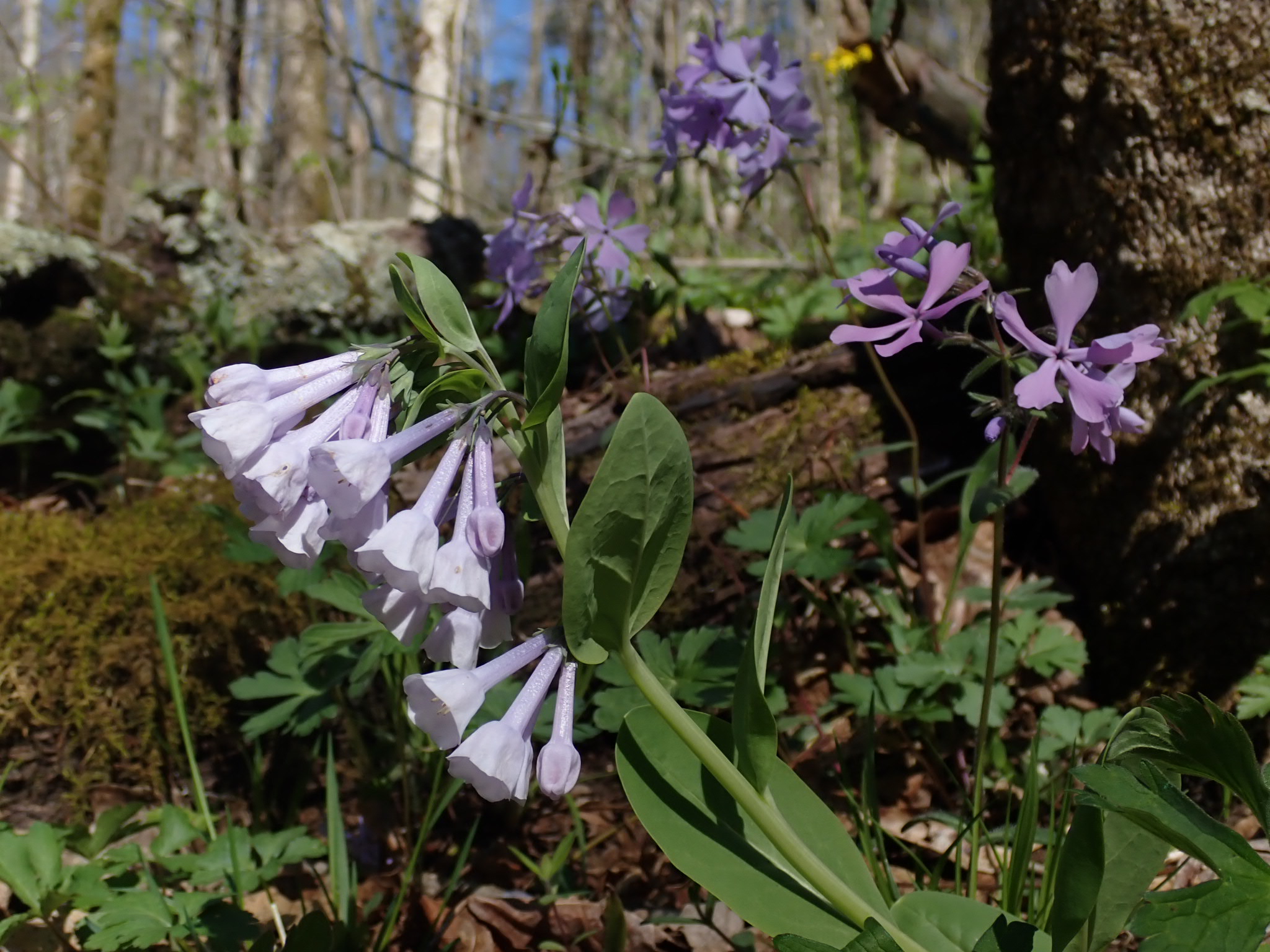
Celebrate spring’s beauty and explore some of the connections between spring wildflowers, their habitats, and us.
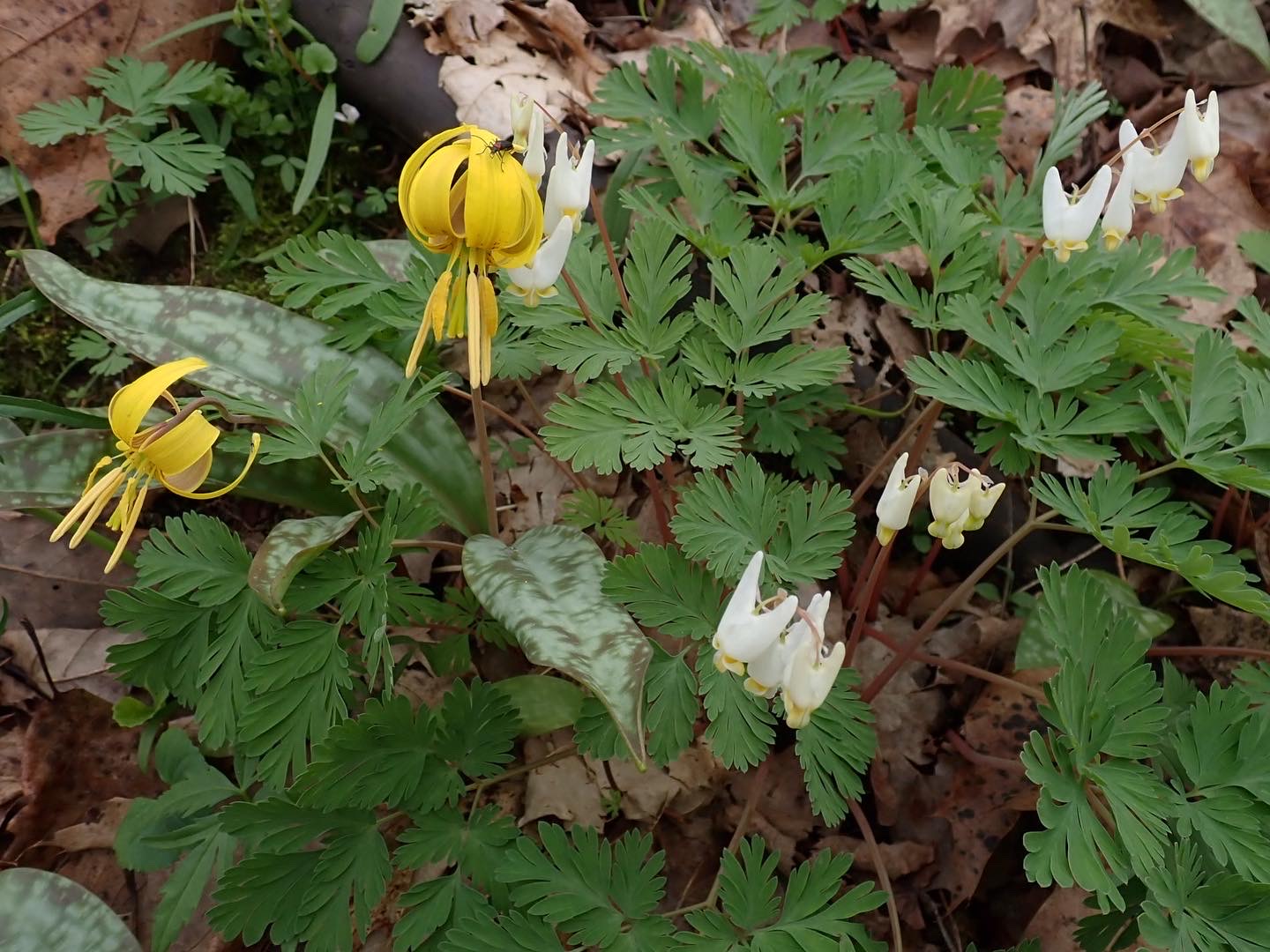
Join us for a wildflower hike during peak wildflower season. We will be offering two separate hikes to view wildflowers throughout the sanctuary. One hike will take our best wildflower trail and visit Elk Lick Creek. The other hike will head to Elk Lick Falls and Elk Lick Creek.
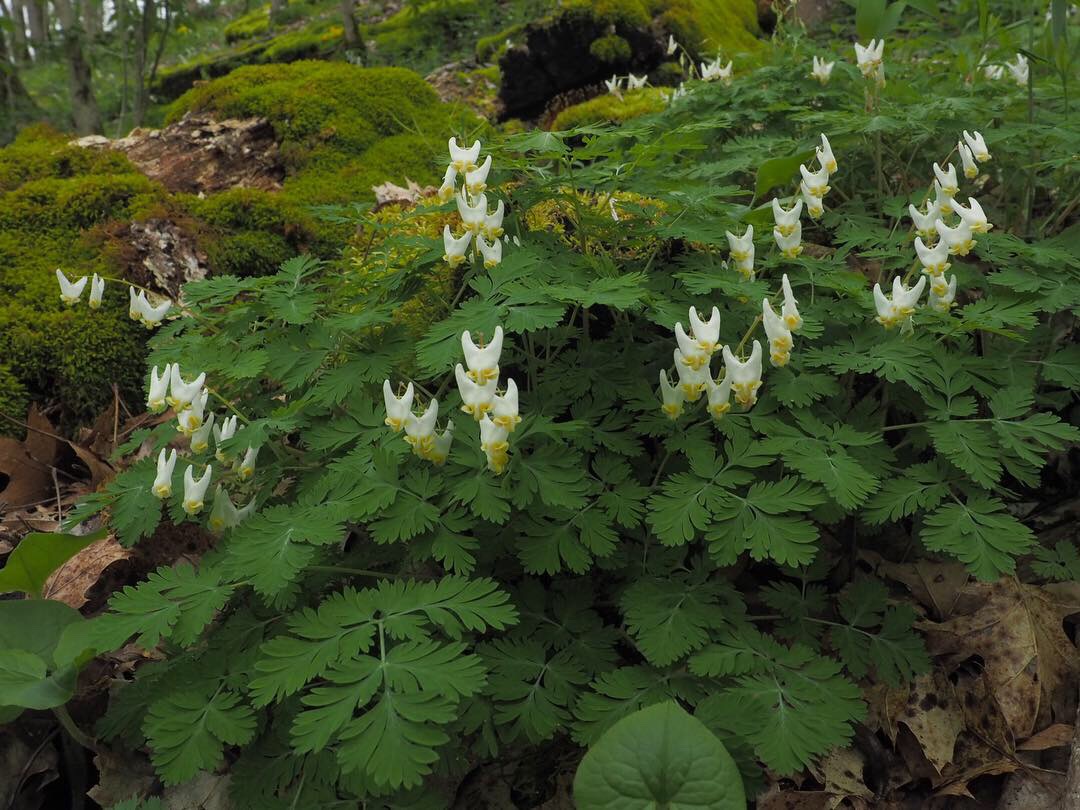
This hike will feature our best wildflower trail during peak wildflower season.
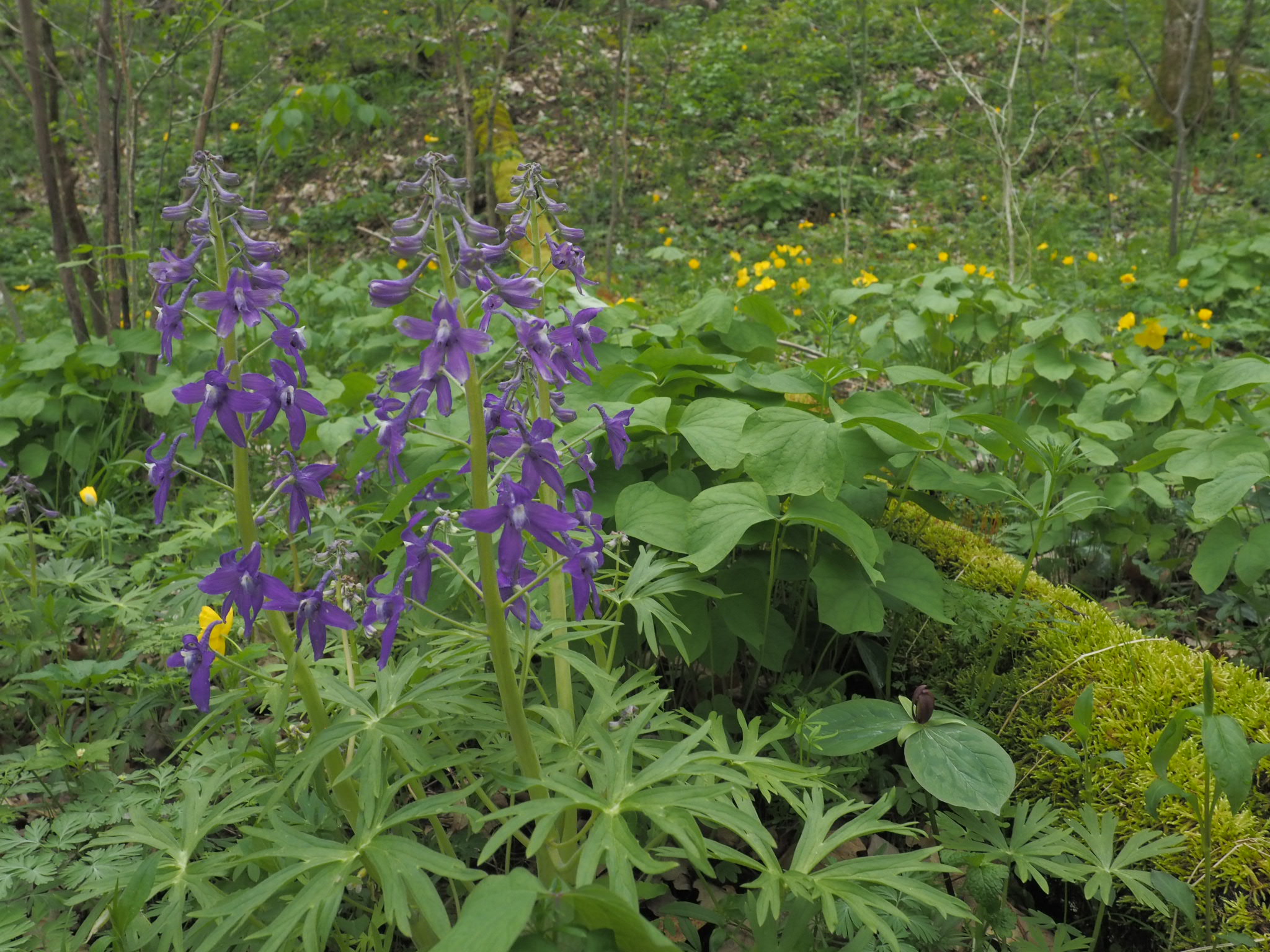
Peak wildflower season will continue for these hikes. We will be offering two separate hikes to view wildflowers throughout the sanctuary. One hike will take our best wildflower trail and visit Elk Lick Creek. The other hike will head to Elk Lick Falls and Elk Lick Creek. We hope to see dwarf larkspur, wood poppies, and more.
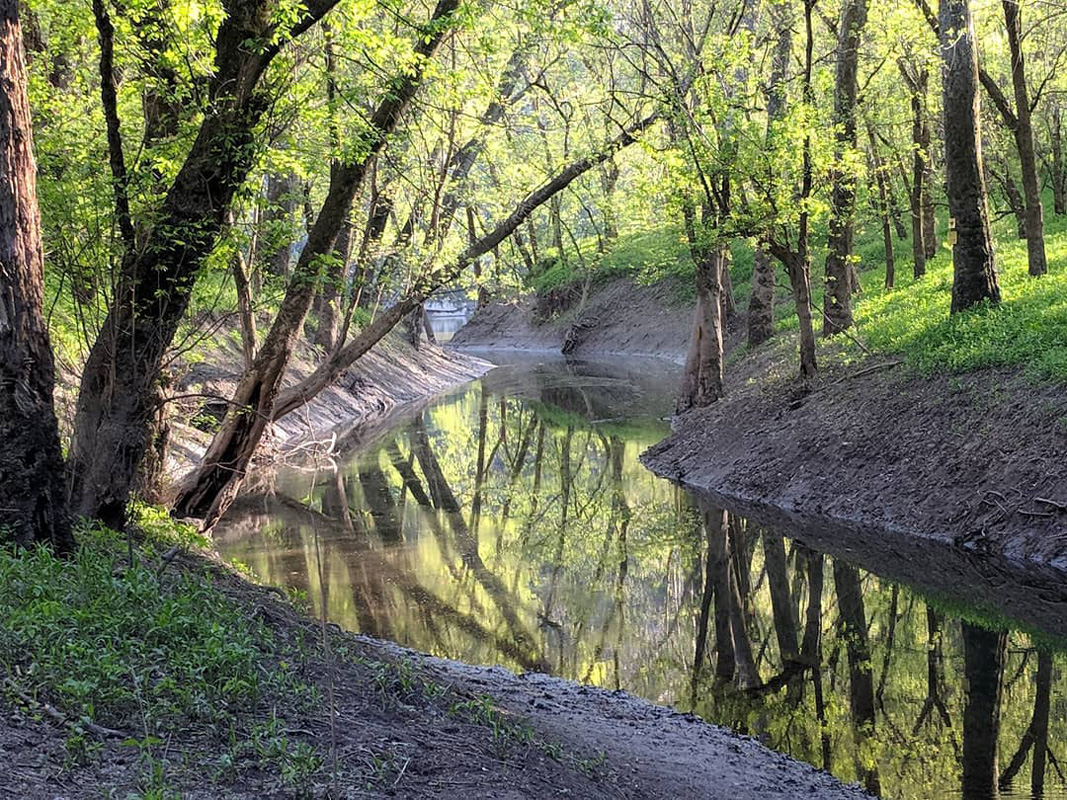
End your day with a quiet and relaxing “magic hour” hike at Floracliff. We will be offering two separate hikes to view wildflowers throughout the sanctuary as the early evening sunlight shines through the trees. One hike will feature Elk Lick Falls and the other hike will feature the Kentucky River.
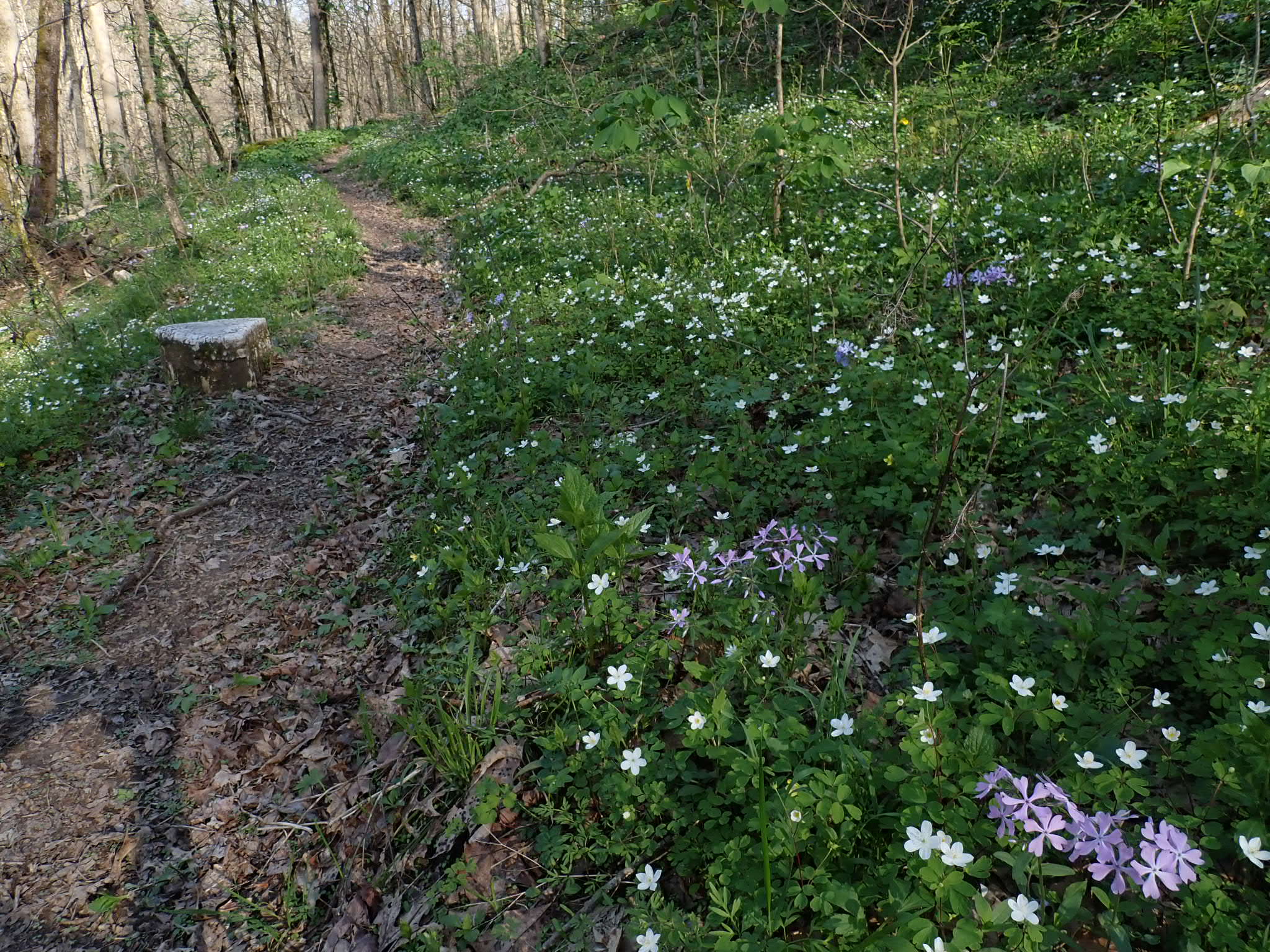
Join us for a hike to see and enjoy Floracliff's wildflowers during their peak. We will be offering two separate hikes to view wildflowers throughout the sanctuary. One hike will take our best wildflower trail and visit Elk Lick Creek. The other hike will head to Elk Lick Falls and Elk Lick Creek. We hope to see bishop's cap, shooting star, Jacob's ladder and more.
Presented by Beverly James, Preserve Director
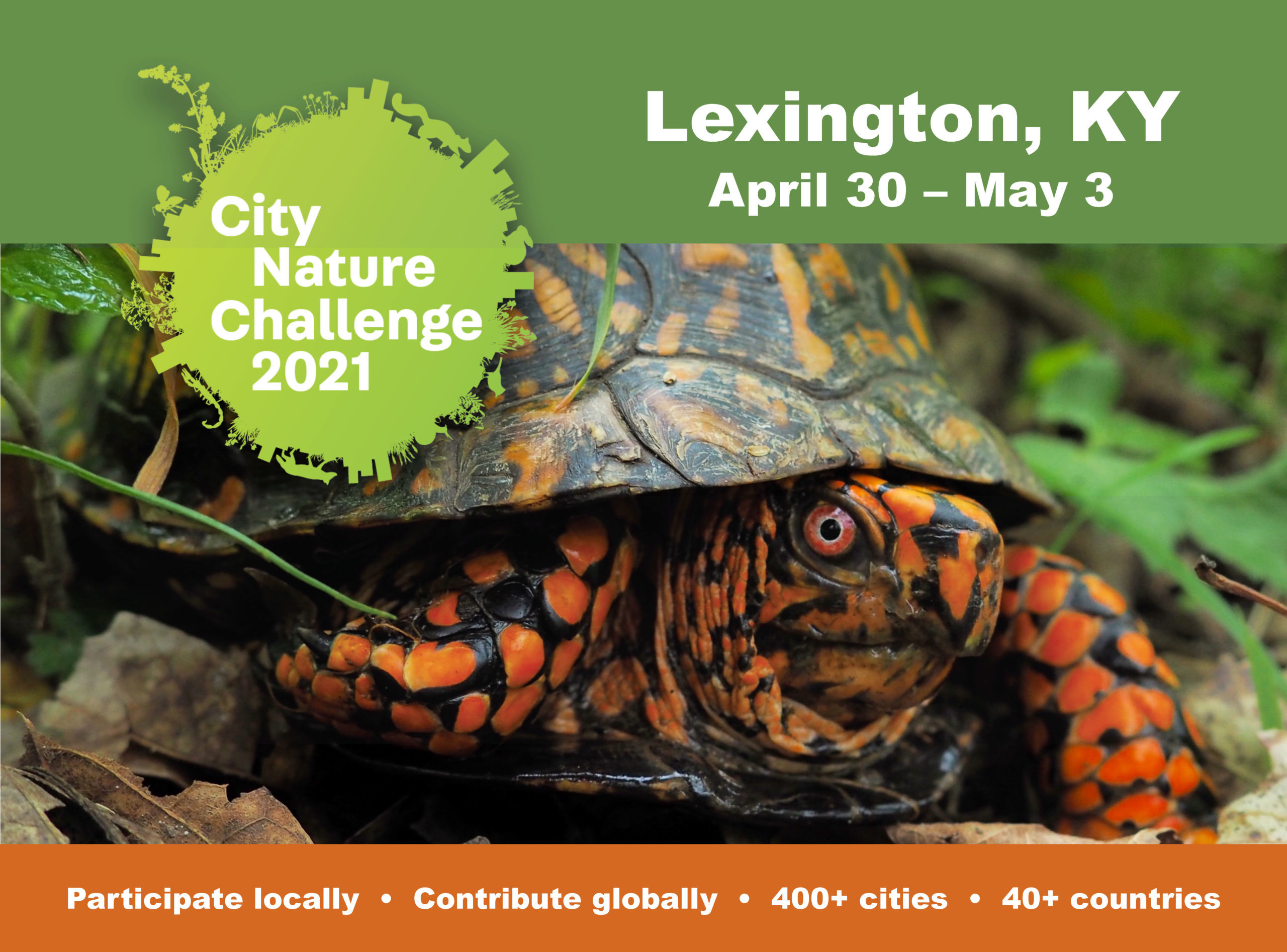
The City Nature Challenge is a global 4-day community science project aimed at documenting nature in and around urban areas. Floracliff Nature Sanctuary is bringing the City Nature Challenge to Lexington for the first time in April. Learn more about the City Nature Challenge, how you can participate, and the value of finding and sharing observations of urban nature.
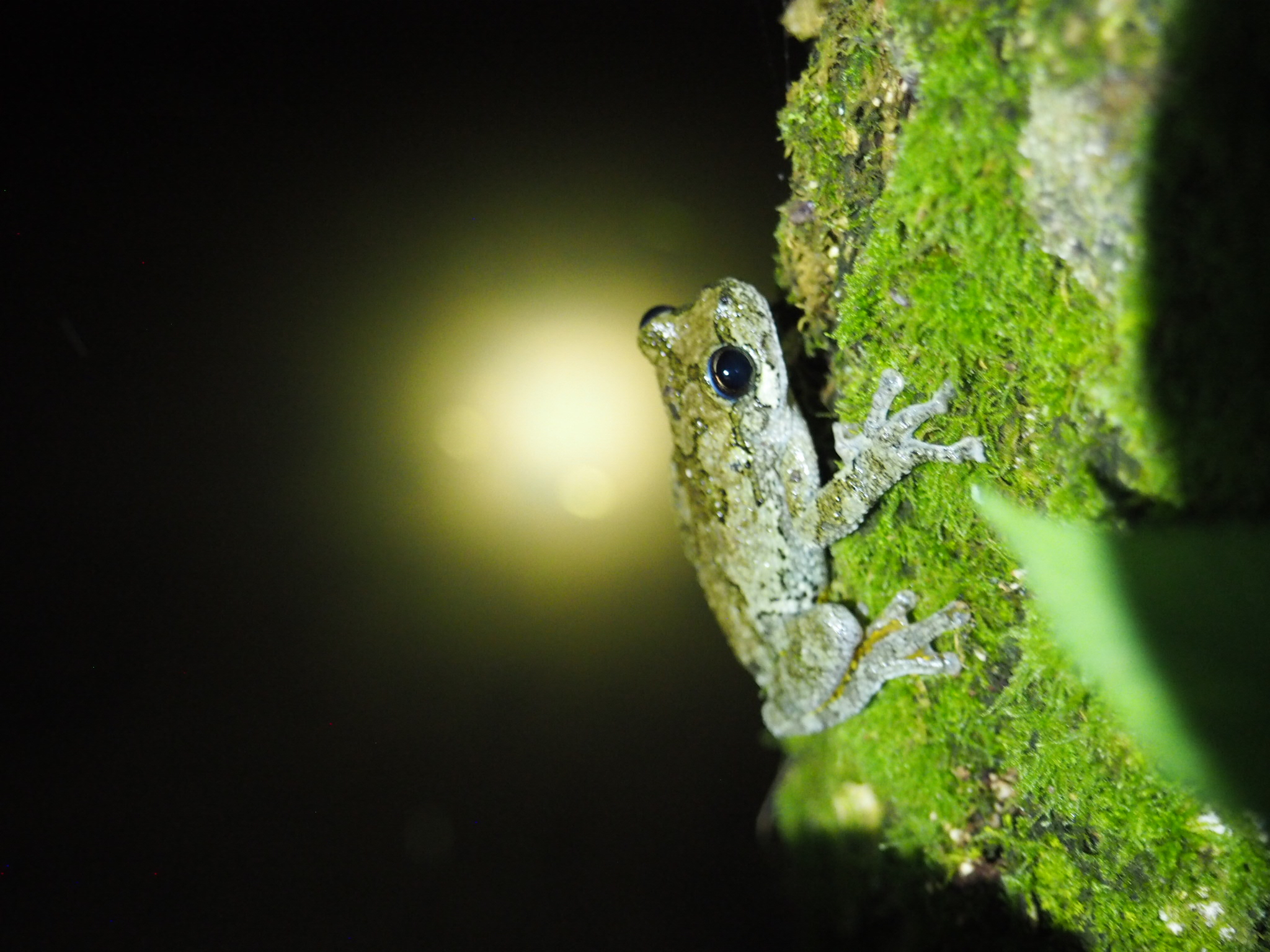
This program will focus on exploring Floracliff’s ponds and forest edges after dark. We will visit the ponds near the nature center to inspect the frog activity and will have UV lights and sheets set-up to attract moths and other insects.
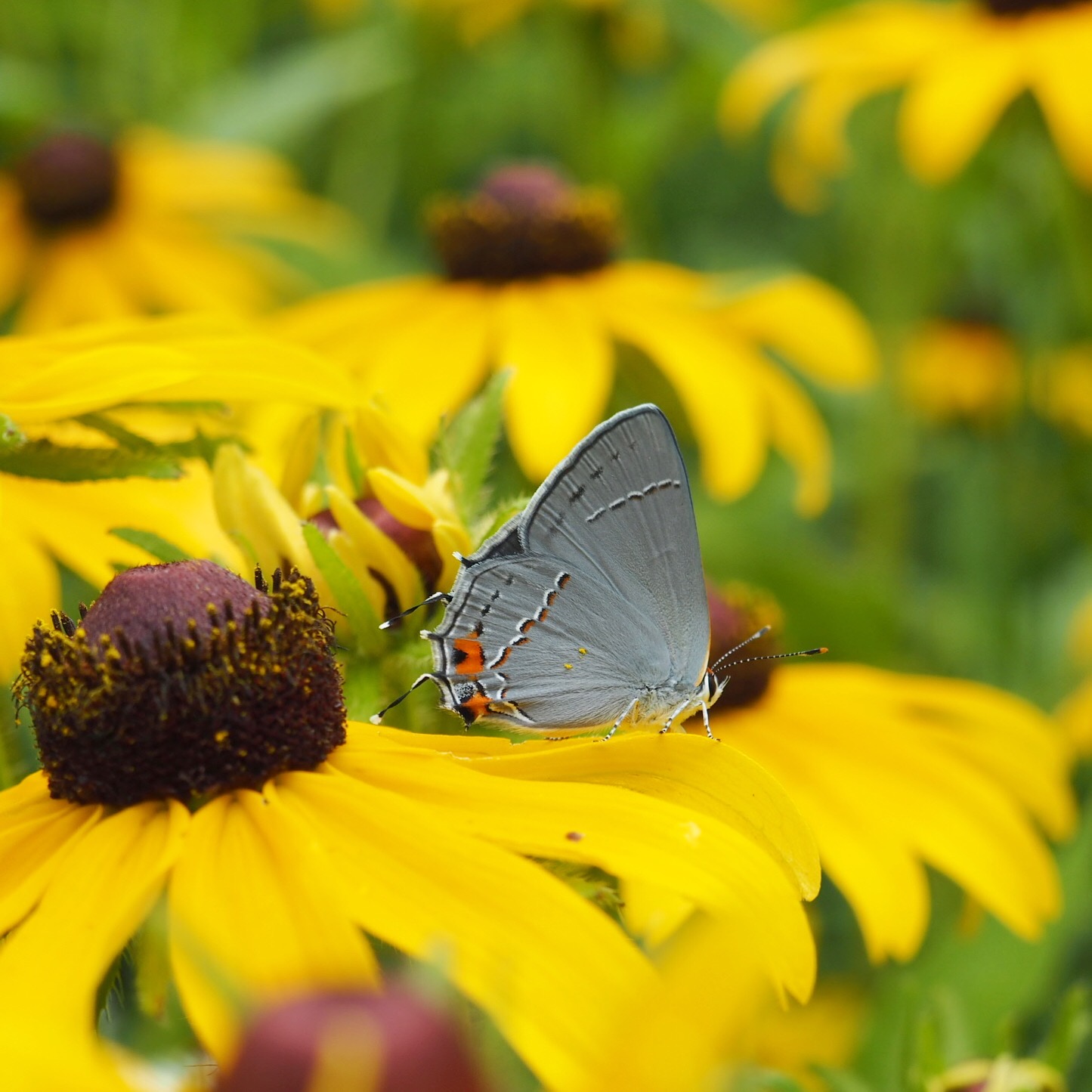
Nearly 150 butterflies have been documented throughout Kentucky. This webinar presentation will feature over 45 of the most common summer butterflies in the Inner Bluegrass region. Participants will learn tricks for identification, basic biology of butterflies, and their relationships with native plants. We will also cover community science projects and resources so that participants can document and share their butterfly observations.
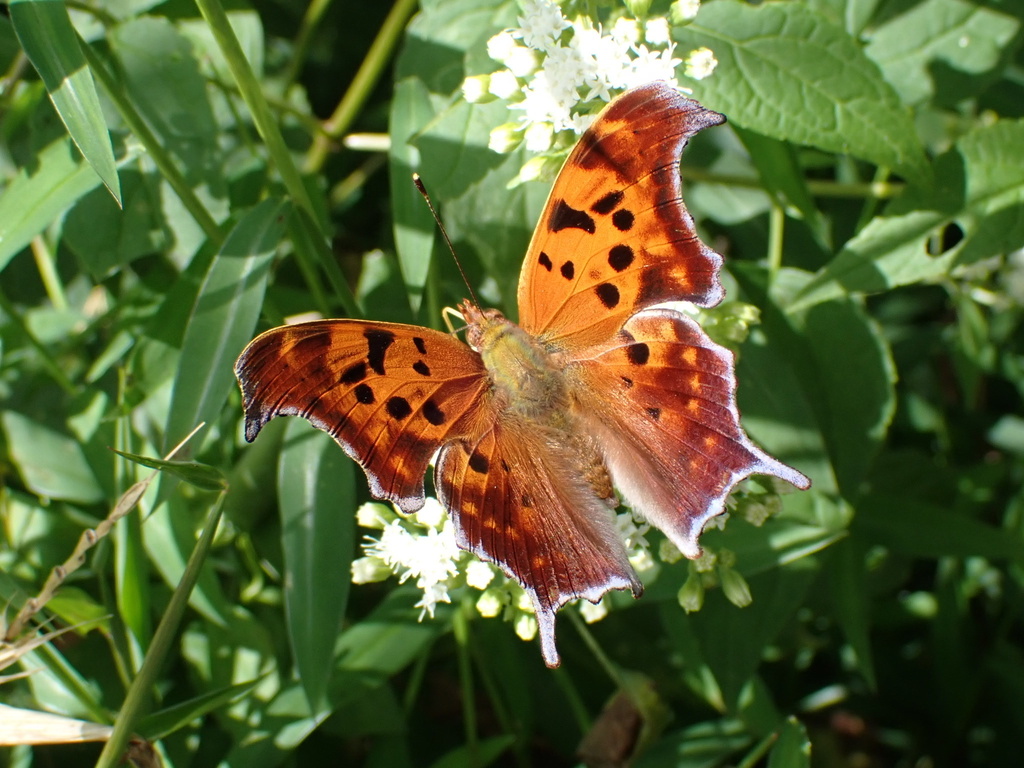
Preserve Director Beverly James will lead this hike highlighting identification and natural history of butterflies as well as the wildflowers and hostplants they depend on. We'll spend some time in the pollinator field by the nature center before heading into the forest to look for woodland butterflies and flowers.
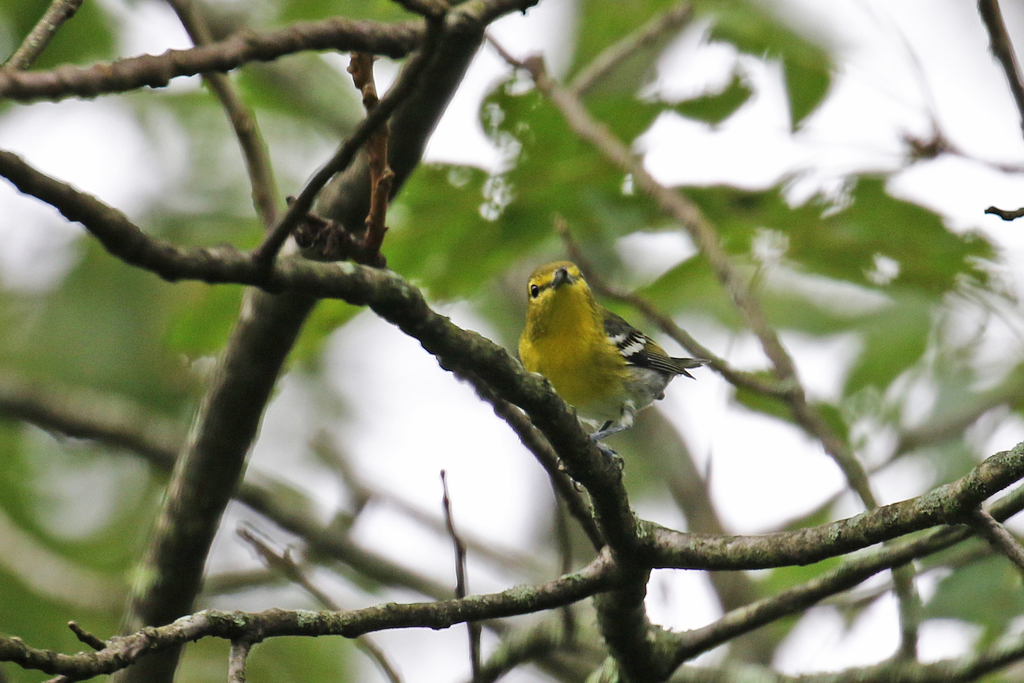
This early morning walk will focus on observing and identifying migratory and resident birds of Floracliff's fields and forests.
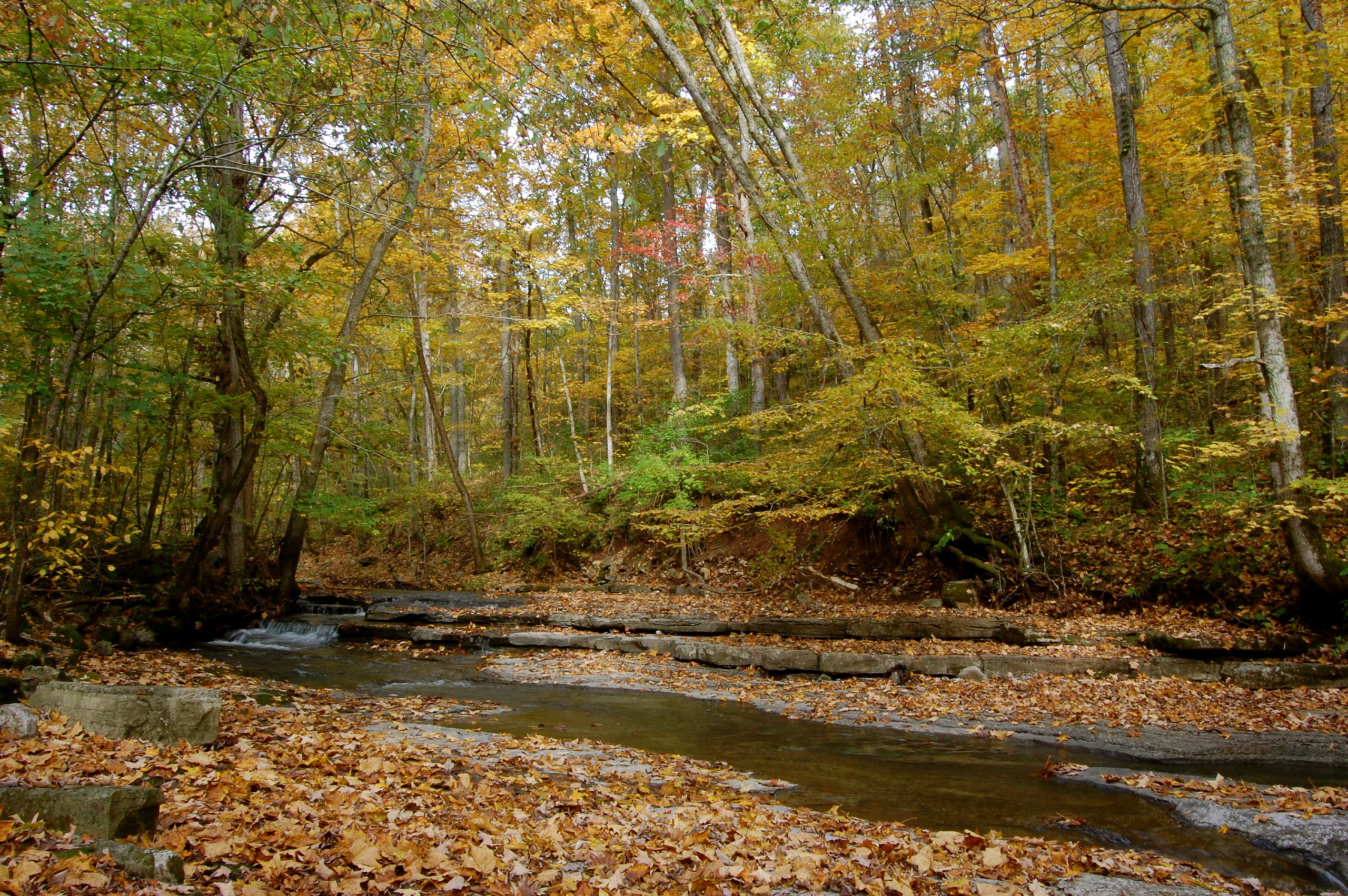
Trees have intricate relationships with their environment as well as other living plants, animals, and fungi. This hike will highlight the various relationships and benefits trees provide, from hostplants and nest sites to stream health and human health. Join us on a hike through the forest to Elk Lick Creek to learn about these connections and deepen your own relationship with trees.
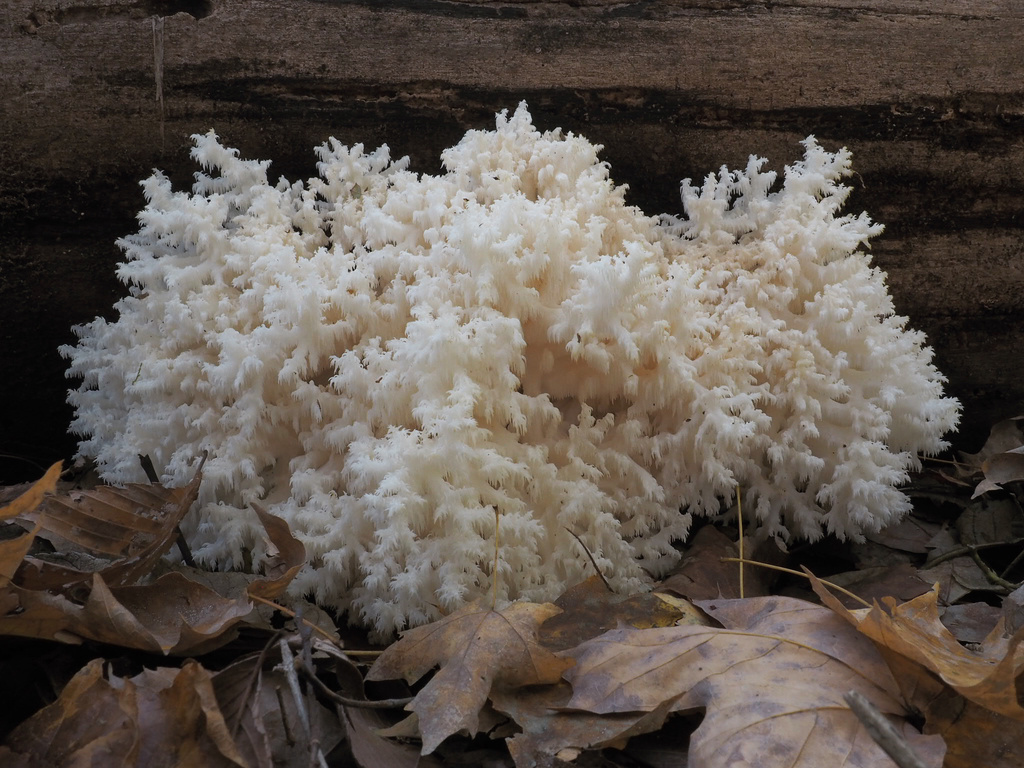
Come join us as we explore the fantastic world of fungi found at Floracliff. We will discuss mushroom biology and ecology, and highlight the basics of how to identify different kinds of fungi. We will also highlight the many roles fungi can play in ecology and forest health, from the good, to the bad, to the downright creepy.
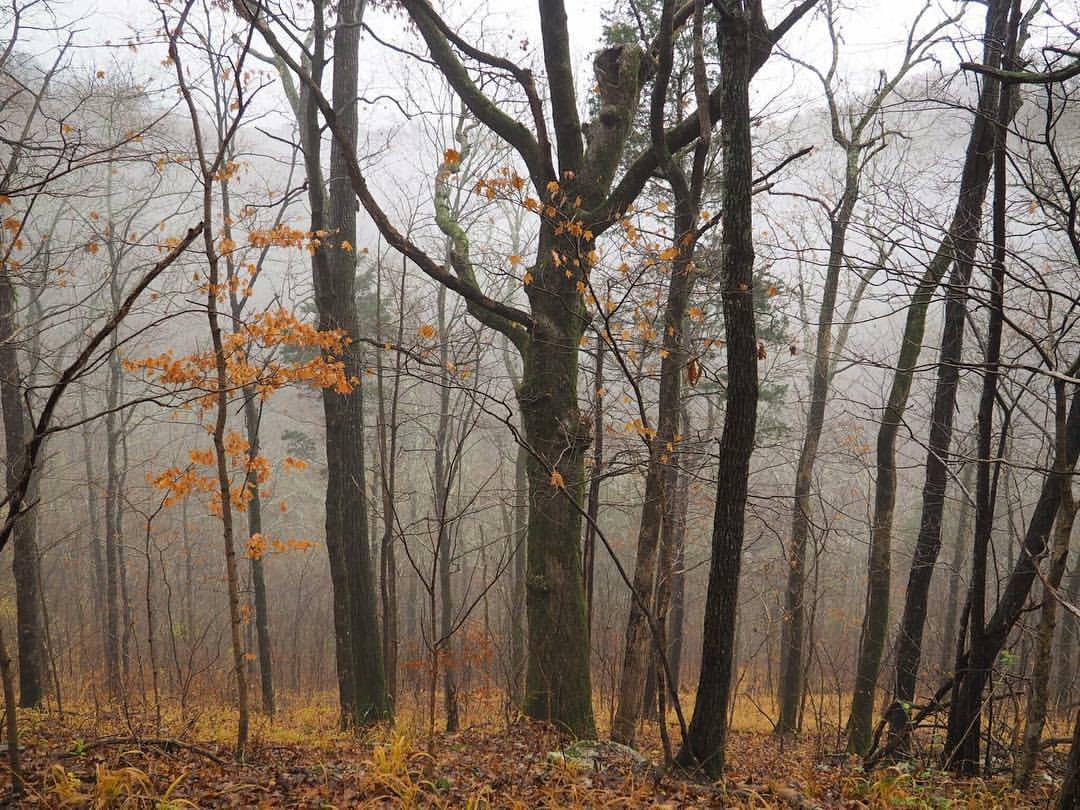
Floracliff's forested ravines are home to some of the oldest known trees in Kentucky. This hike will feature many of these 17th- and 18th-century chinquapin oaks. We will discuss the characteristics of old trees, the uniqueness of Floracliff’s old trees, and their significance to the region.
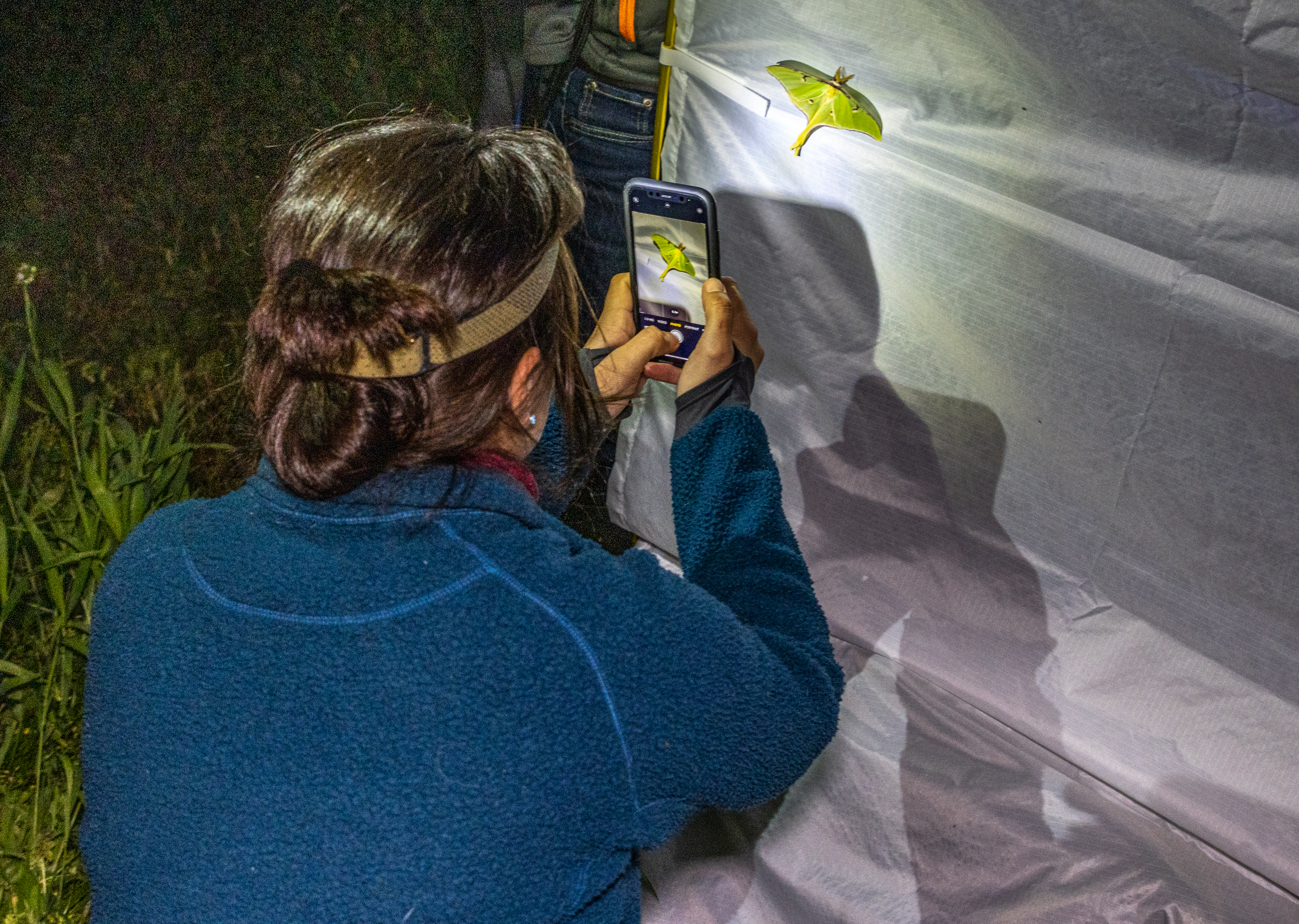
iNaturalist is a community science app and website used by professional and amateur naturalists around the world to document and learn about biodiversity. It's not only an important tool for projects like City Nature Challenge and National Moth Week, but also a resource to learn about what is in your own yard or neighborhood. Anyone can contribute to and participate in iNaturalist by uploading observations of plants, animals, fungi, and more. This webinar will go over the basics of how to use iNaturalist and the benefits it provides to individual knowledge and global biodiversity information.
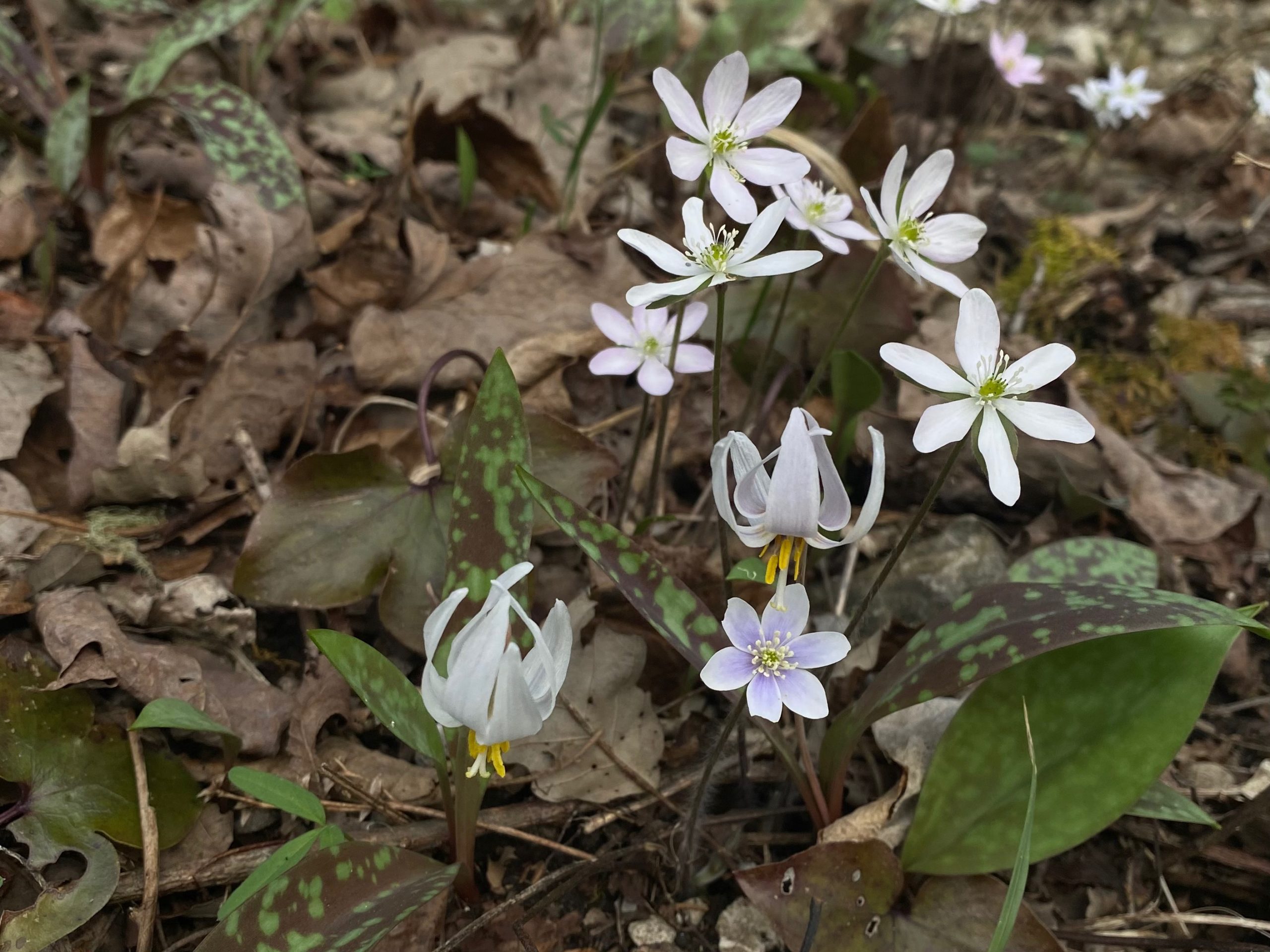
Join us for an early spring wildflower hike to see the first blooms of the season. This hike will highlight identification, ecology, and pollinator relationships of our spring ephemerals.
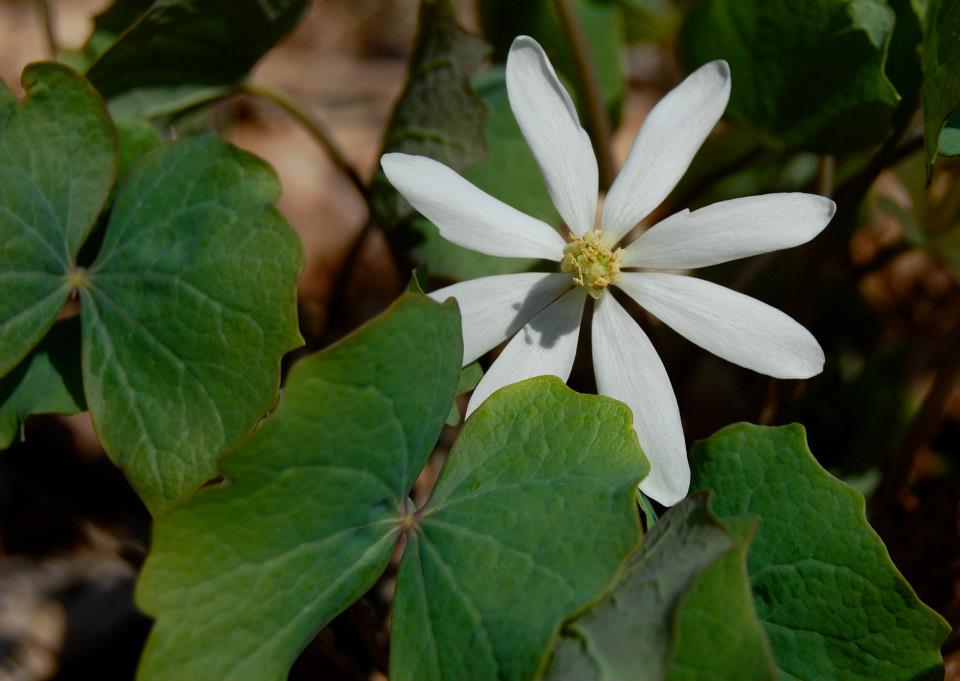
We are happy to be hosting Laura Baird, Assistant Naturalist at Shaker Village, for this wildflower hike. She'll be covering natural history, folklore, pollinator relationships, and other information about some of our early spring ephemerals.
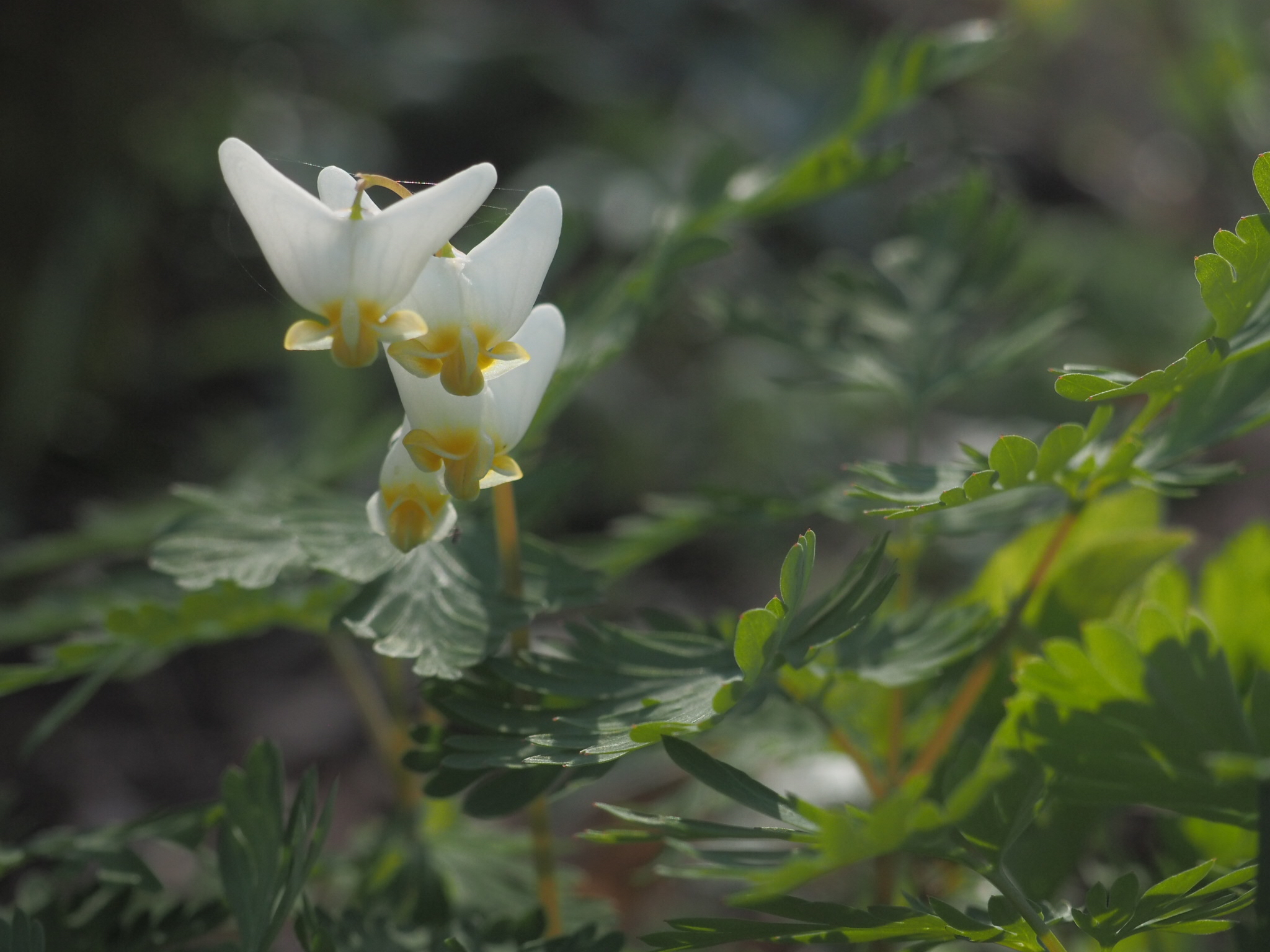
Learn to identify some of our spring ephemeral wildflowers. Along the way we will discuss natural history, pollinator relationships, and more.
Celebrate spring’s beauty and explore some of the connections between spring wildflowers, their habitats, and us.
Learn to identify some of our spring ephemeral wildflowers. Along the way we will discuss natural history, pollinator relationships, and more.
Join us for a wildflower hike during peak bloom. This hike will highlight identification, ecology, and pollinator relationships of our spring ephemerals.
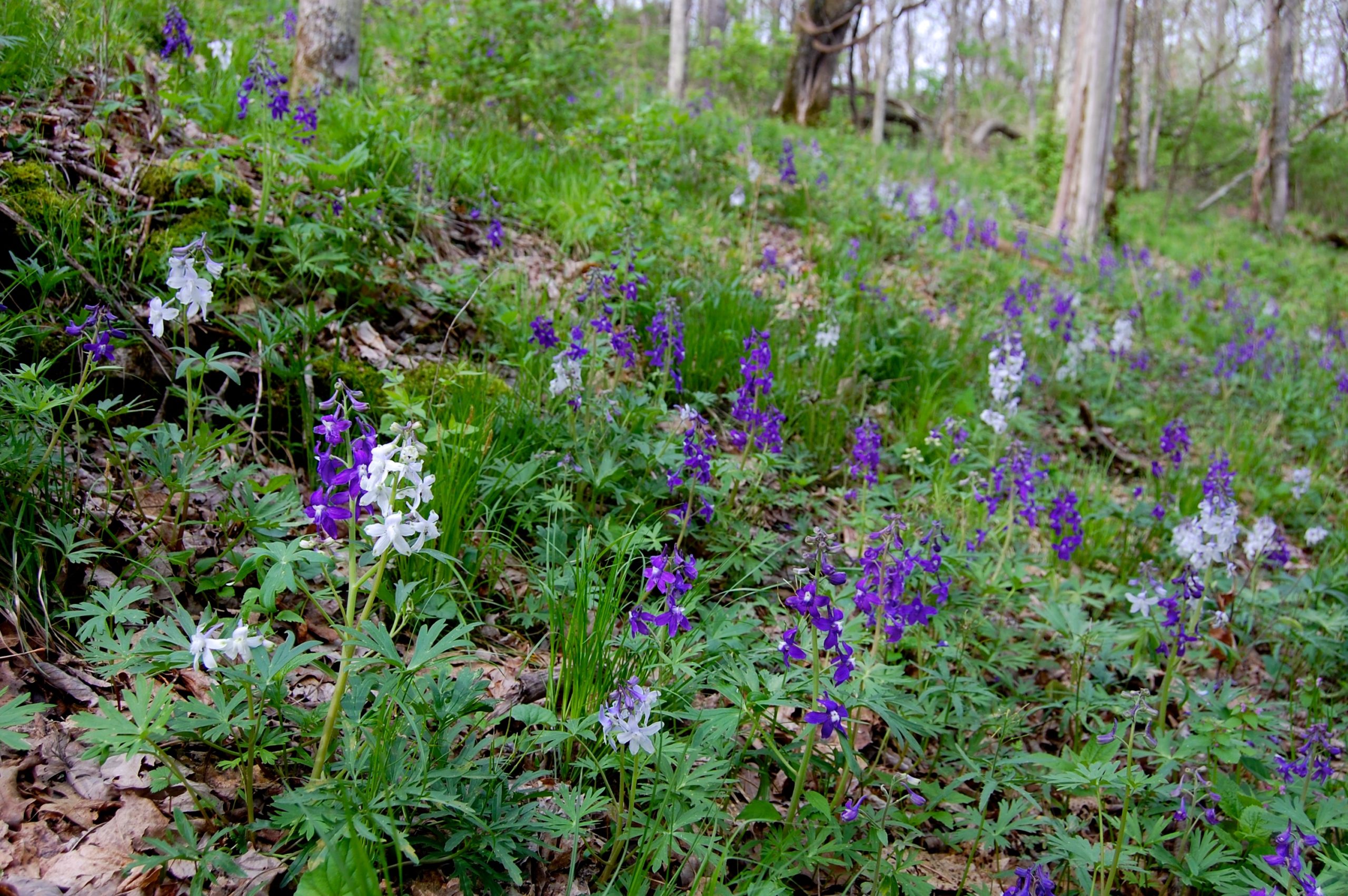
Learn to identify some of our spring ephemeral wildflowers. Along the way we will discuss natural history, pollinator relationships, and more.
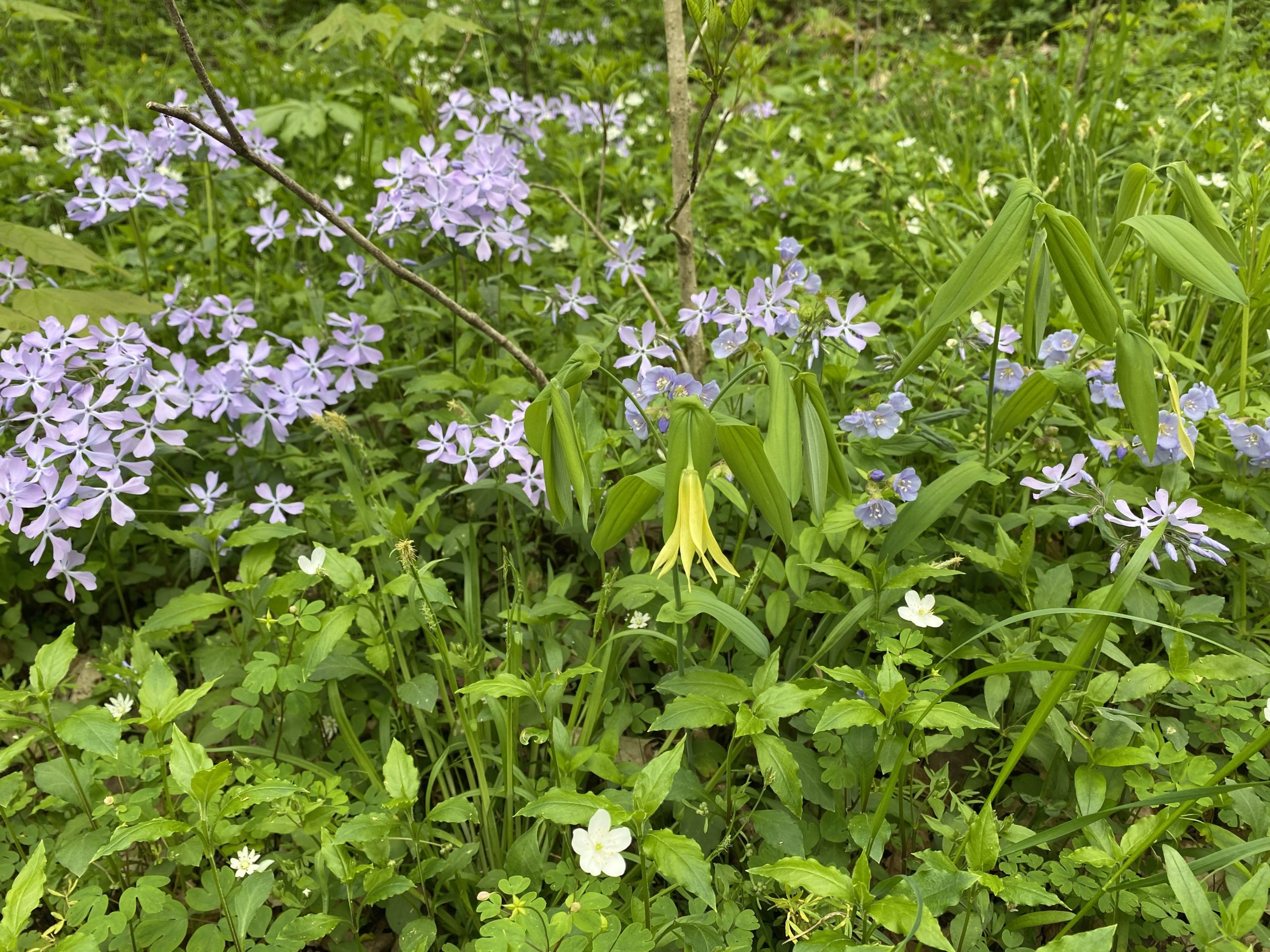
The peak wildflower display will continue through mid-April. Join us for this weekday hike, which will highlight the identification, ecology, and pollinator relationships of our spring ephemerals.
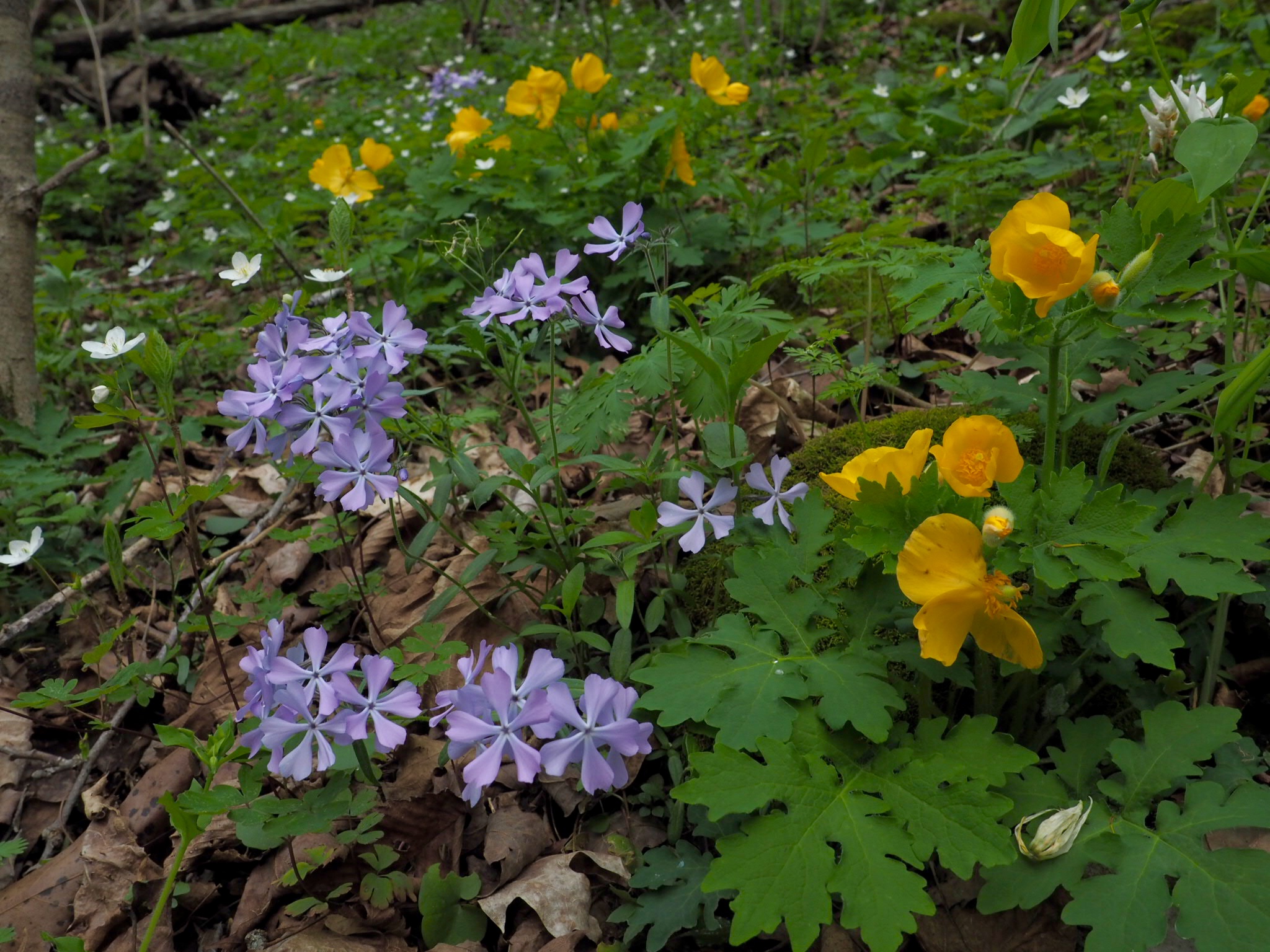
Join botanist Heidi Braunreiter for this wildflower hike on Floracliff's showiest wildflower trail. She'll cover natural history, folklore, pollinator relationships, and other information about our native spring flora.
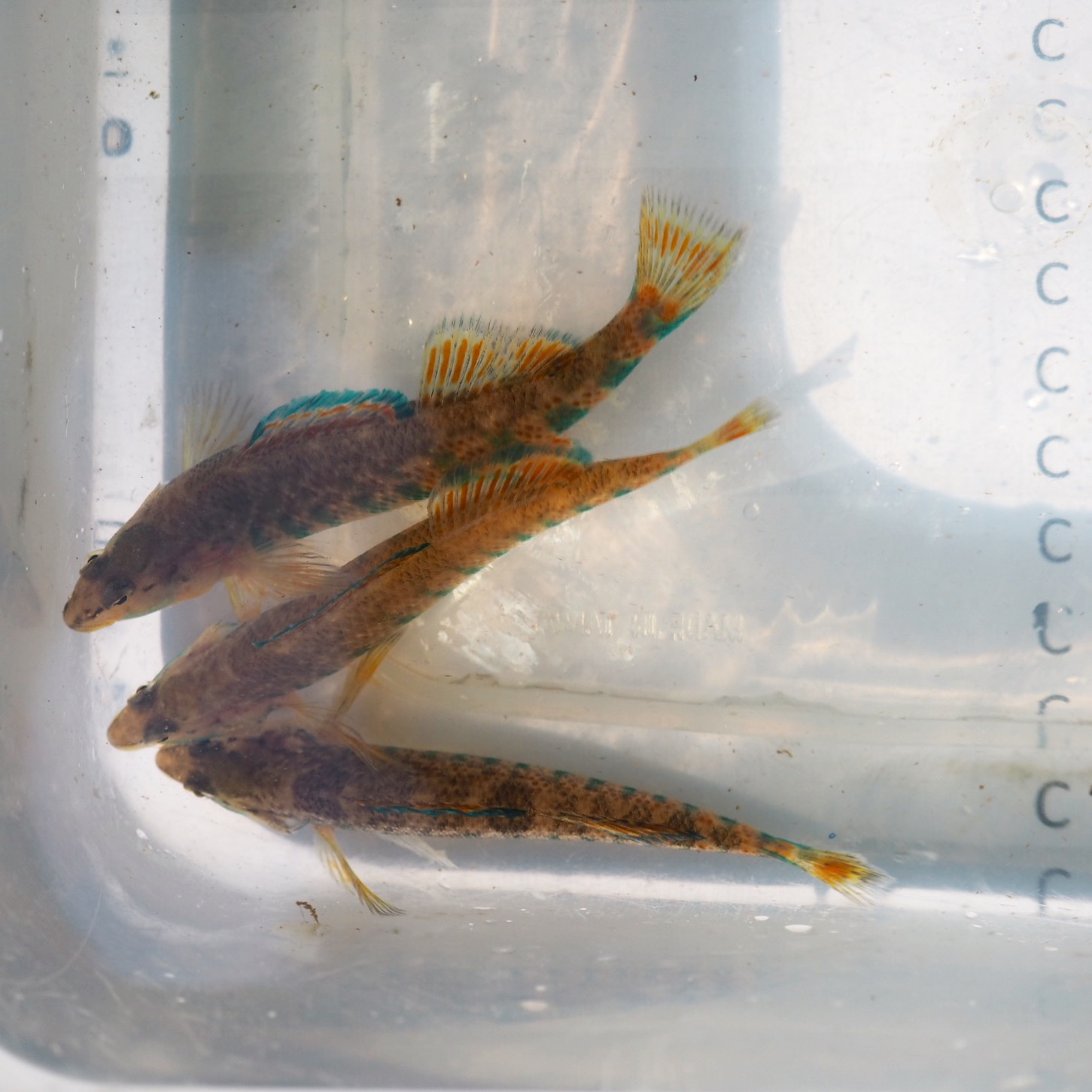
Calling all community scientists! This program will focus on exploring a section of one of our creeks to discover and document aquatic life for the City Nature Challenge.
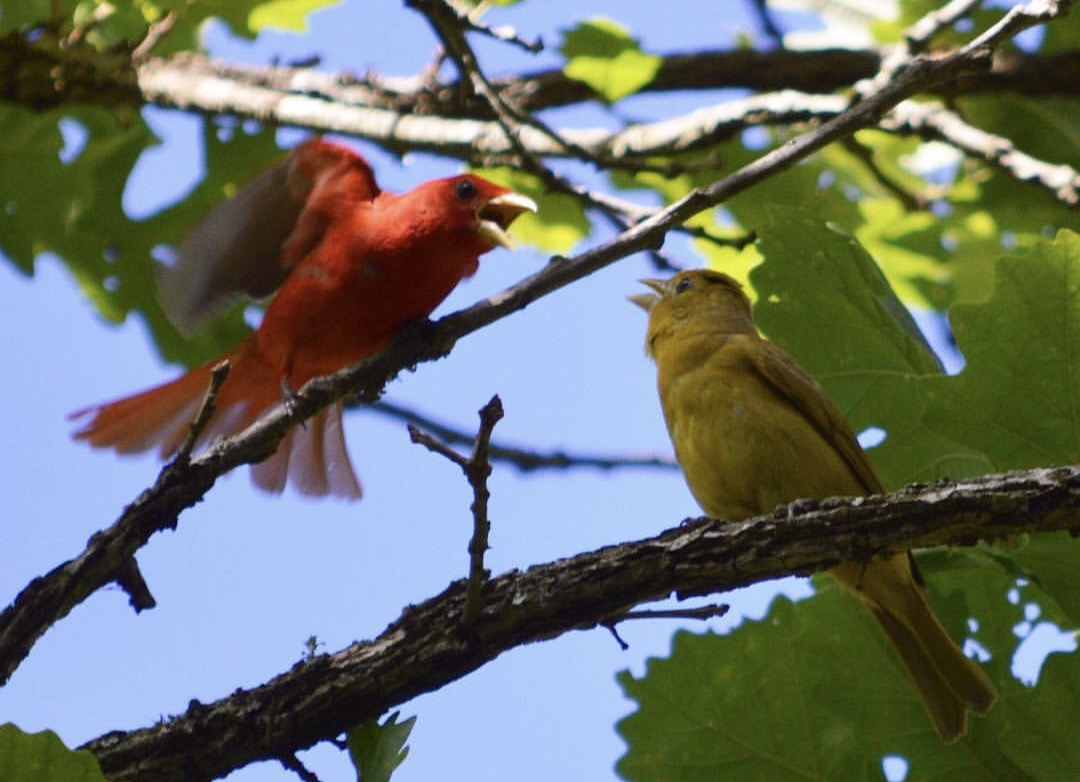
Kentucky birders Ben Leffew (Shaker Village) and Michael Patton (KY Department of Fish and Wildlife Resources) will lead this hike featuring the diversity of birds that use the forests of the Kentucky River Palisades.
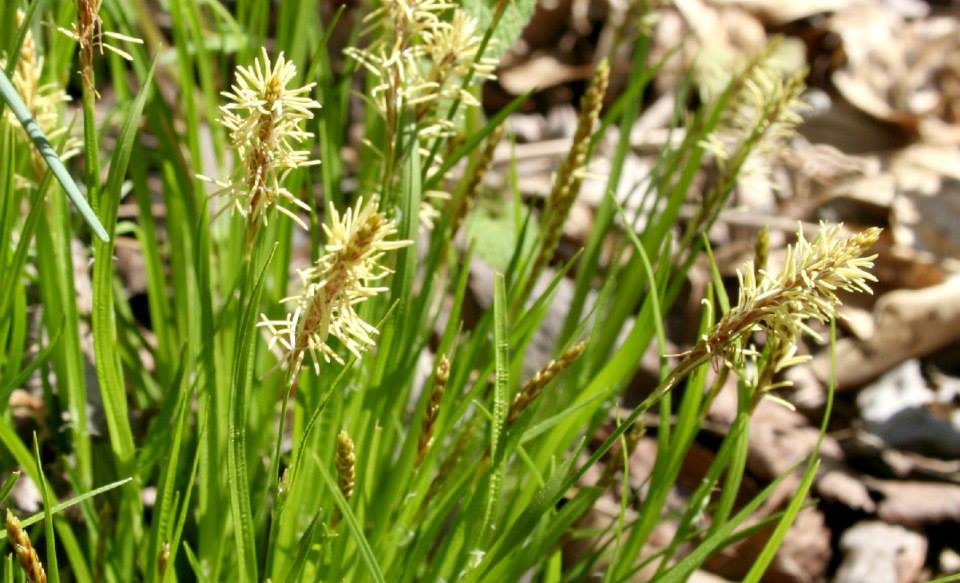
Many of the grass-like plants one may encounter in Kentucky’s natural areas are not actually grasses. Although similar, they are members of an entirely different family of plants. This hike will focus on the largest genus within the sedge family (Cyperaceae), the genus Carex. With close to 150 species in this genus found in Kentucky, the diversity of sedges (Carex) is astounding and they can tell us a lot about the natural communities upon which they are found. Join OKNP botanists Devin Rodgers and Vanessa Voelker on a hike to learn some of the most common sedges found in the Bluegrass.
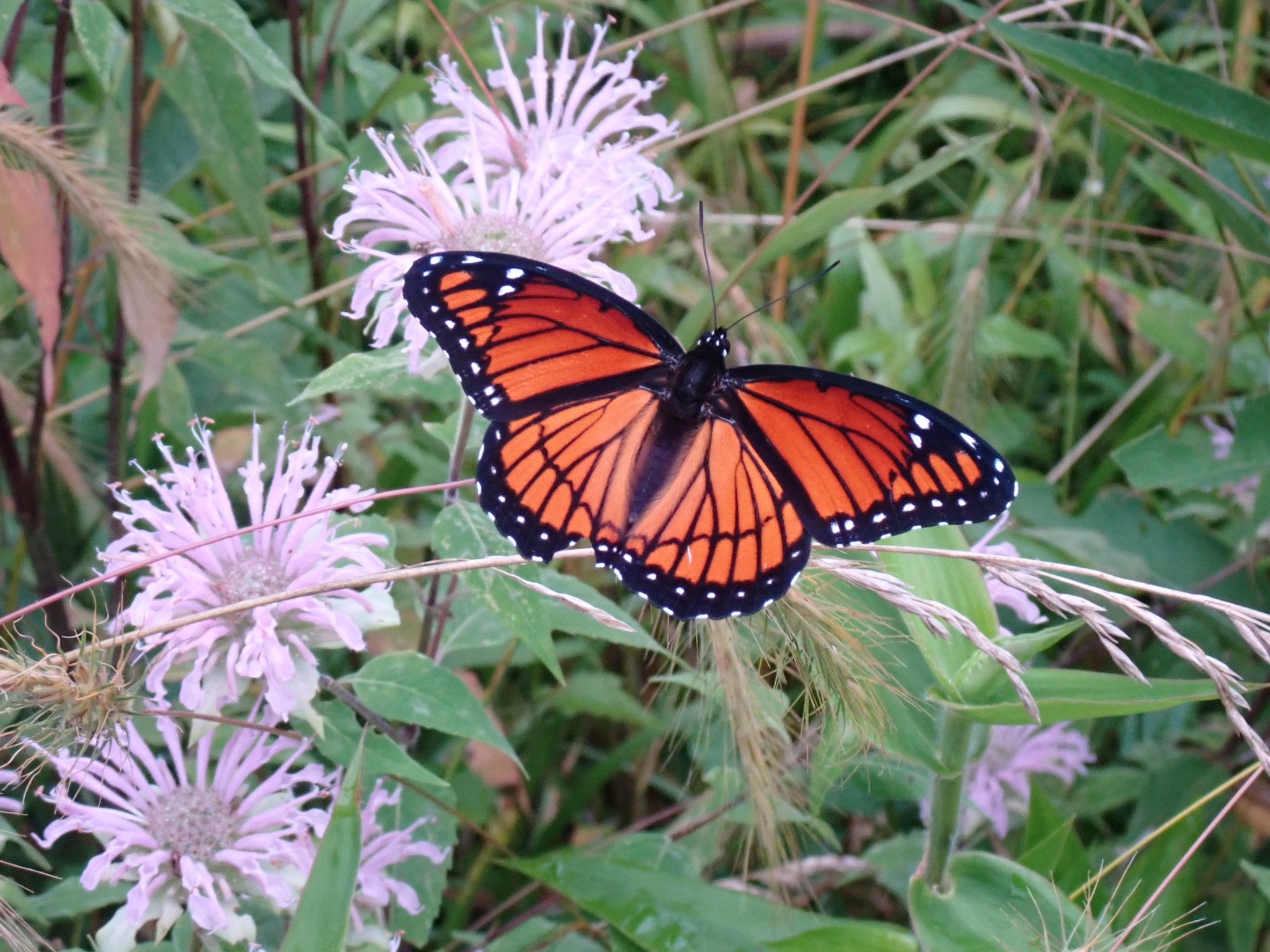
Nearly 150 butterflies have been documented throughout Kentucky. This webinar presentation will feature over 45 of the most common summer butterflies in the Inner Bluegrass region. Participants will learn tricks for identification, basic biology of butterflies, and their relationships with native plants. We will also cover community science projects and resources so that participants can document and share their butterfly observations.
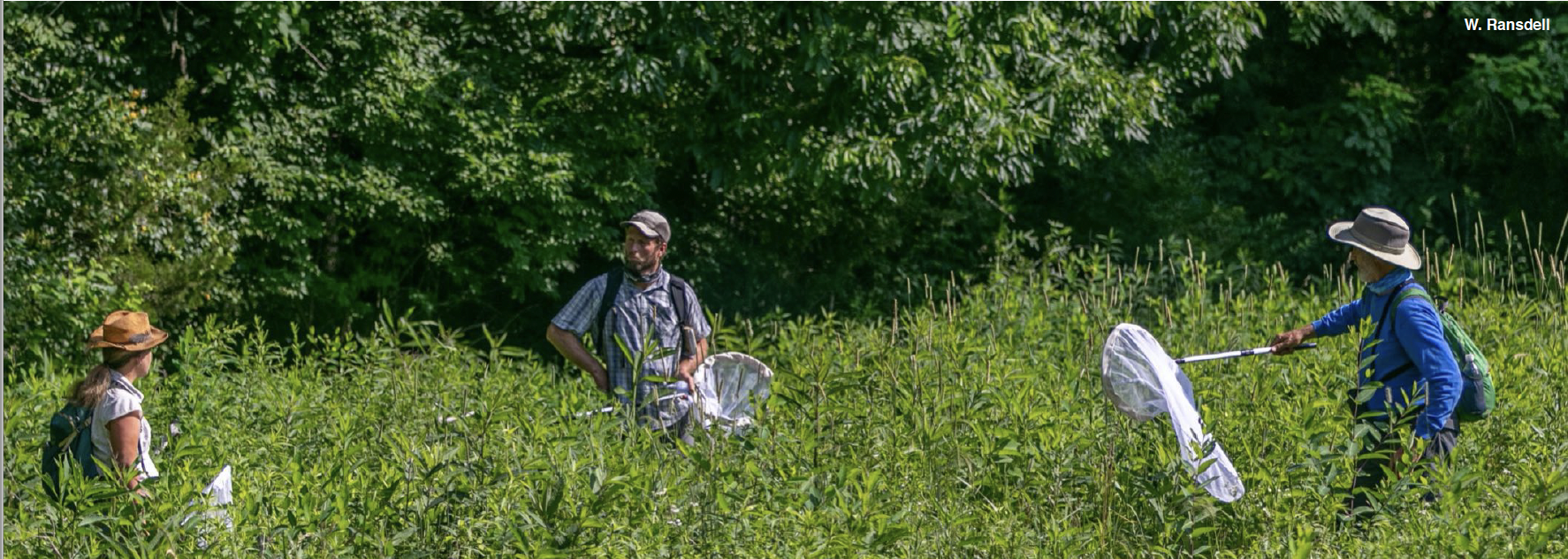
This field day will provide hands-on experience in butterfly identification at Floracliff and possibly another nearby location in Fayette County. It should be a great primer (or refresher) for those wishing to participate in the Central Bluegrass Butterfly Count in July.
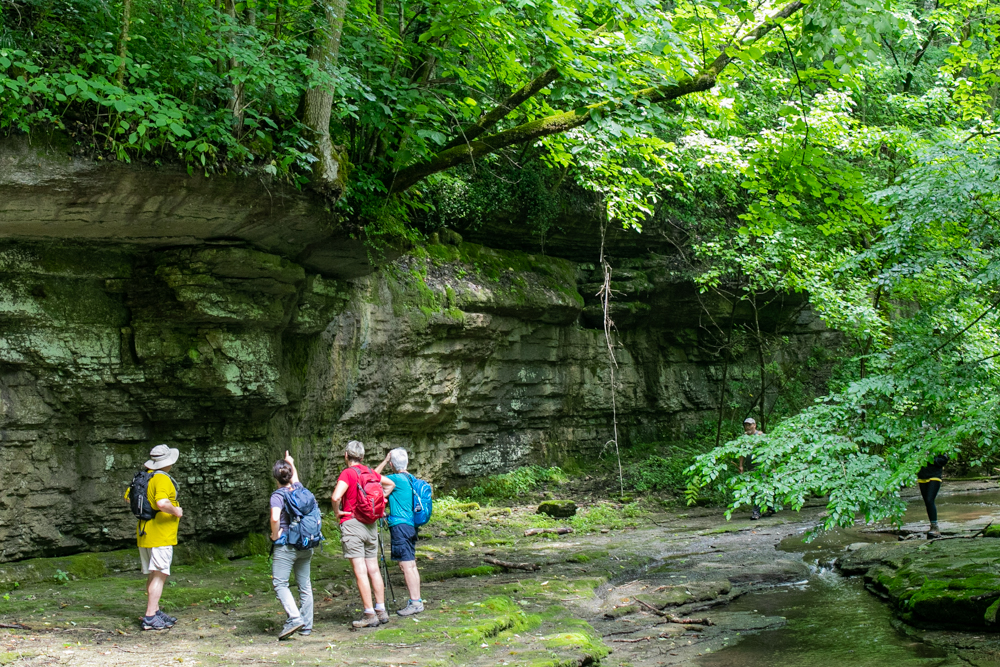
Elk Lick Creek flows through the heart of Floracliff and provides habitat for a diversity of amphibians, reptiles, insects, fish, and more. Join Floracliff Naturalists on this trek along a scenic 1/2-mile section of of the creek to explore the biodiversity and take in the beauty of the area.
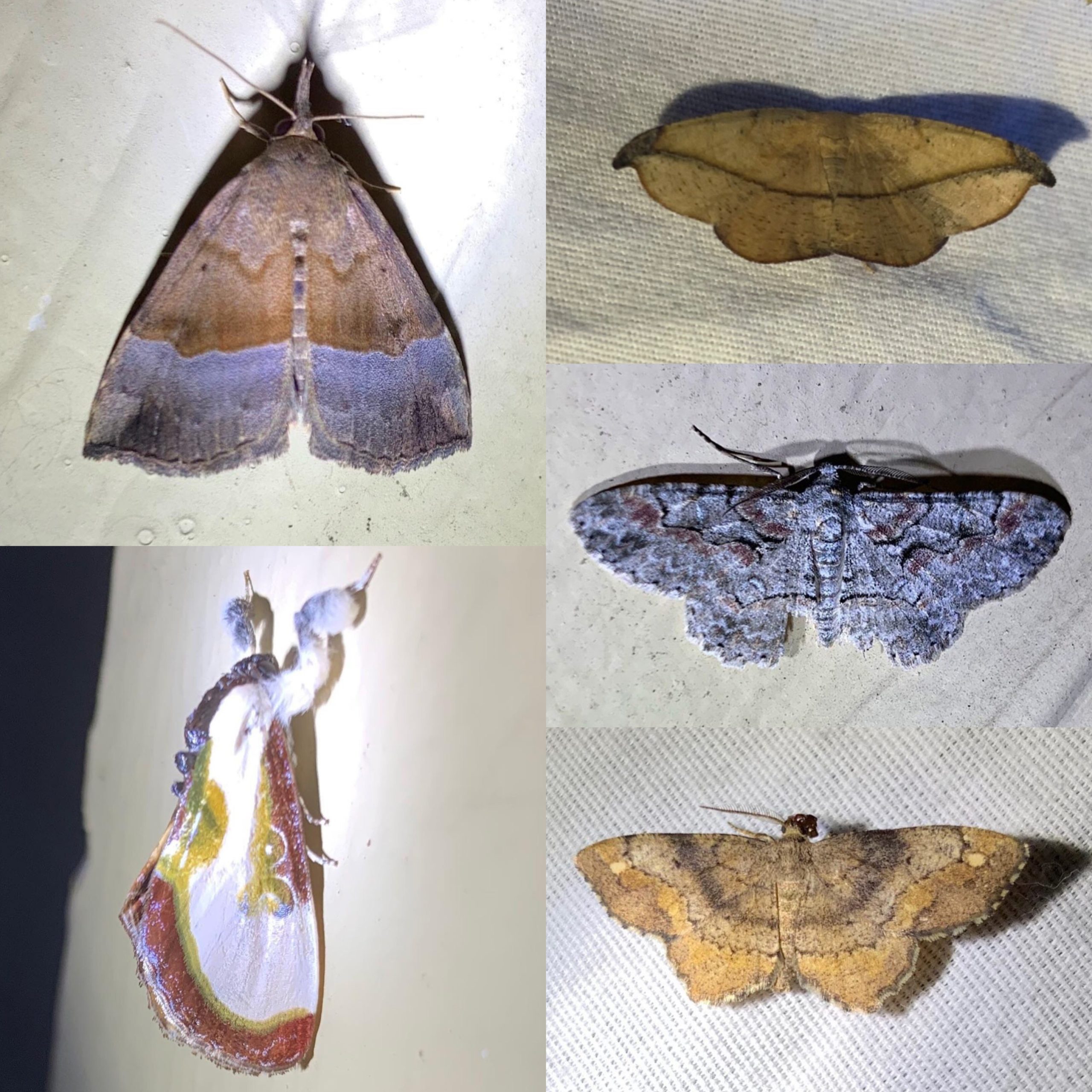
Floracliff has a diversity of moths that come in many different sizes and colors. These insects play an important role in the ecosystem, having intricate relationships with our native plants, birds, and bats. Join us for this program to kick off National Moth Week, when we will have a few light stations set up with sheets to get a close-up look at our moths and other nocturnal insects. Bring a flashlight!
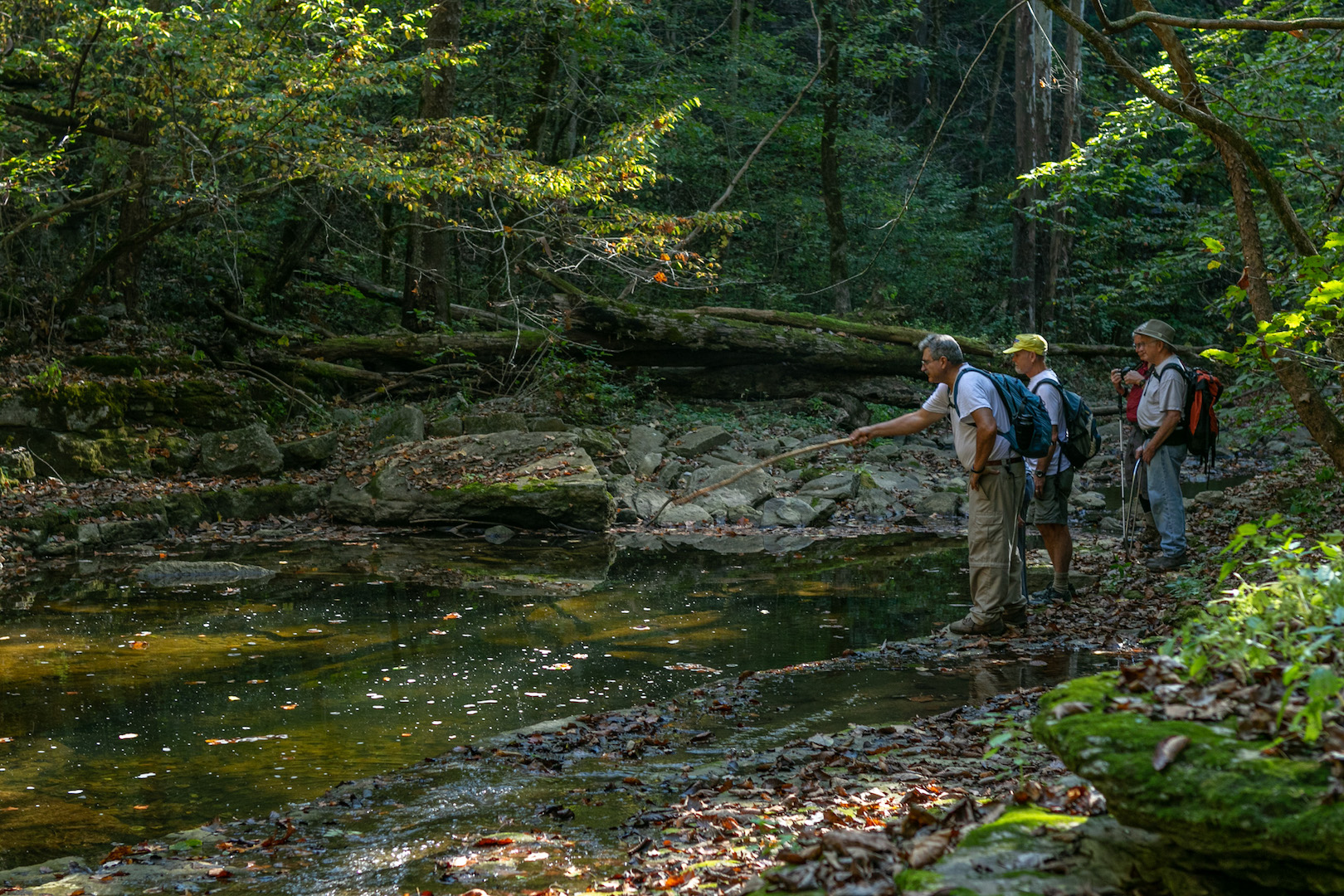
Elk Lick Creek flows through the heart of Floracliff and provides habitat for a diversity of amphibians, reptiles, insects, fish, and more. Join Floracliff Naturalists on this trek along a scenic 1/2-mile section of of the creek to explore the biodiversity and take in the beauty of the area.
Hike Leaders: Dan Patrick and Mark Wells
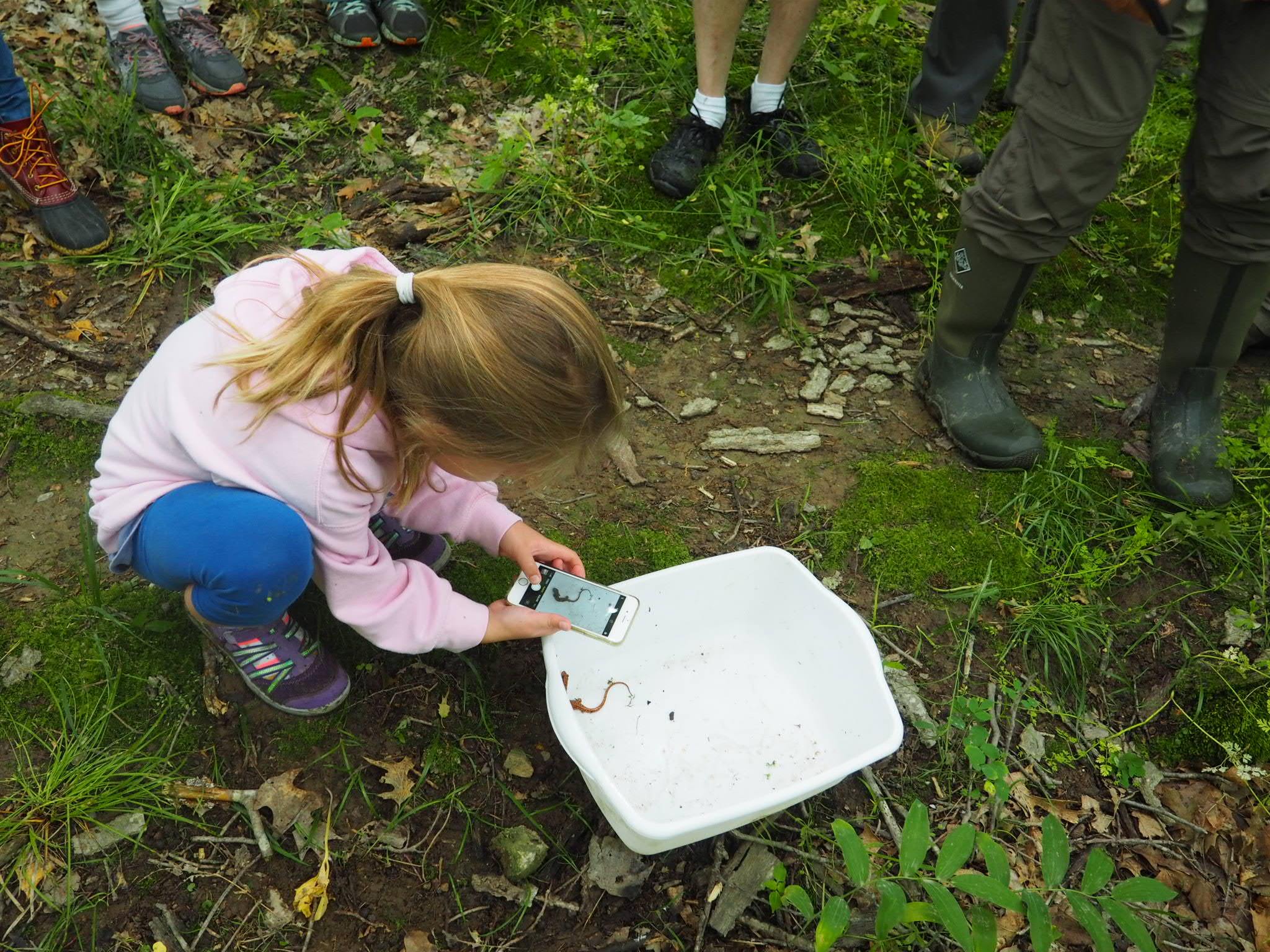
Join us for this hands-on demonstration using iNaturalist along the trails of Floracliff. We’ll spend some time exploring biodiversity, and we will cover the benefits of nature observations, basics of the app, and effective photos for species identification.
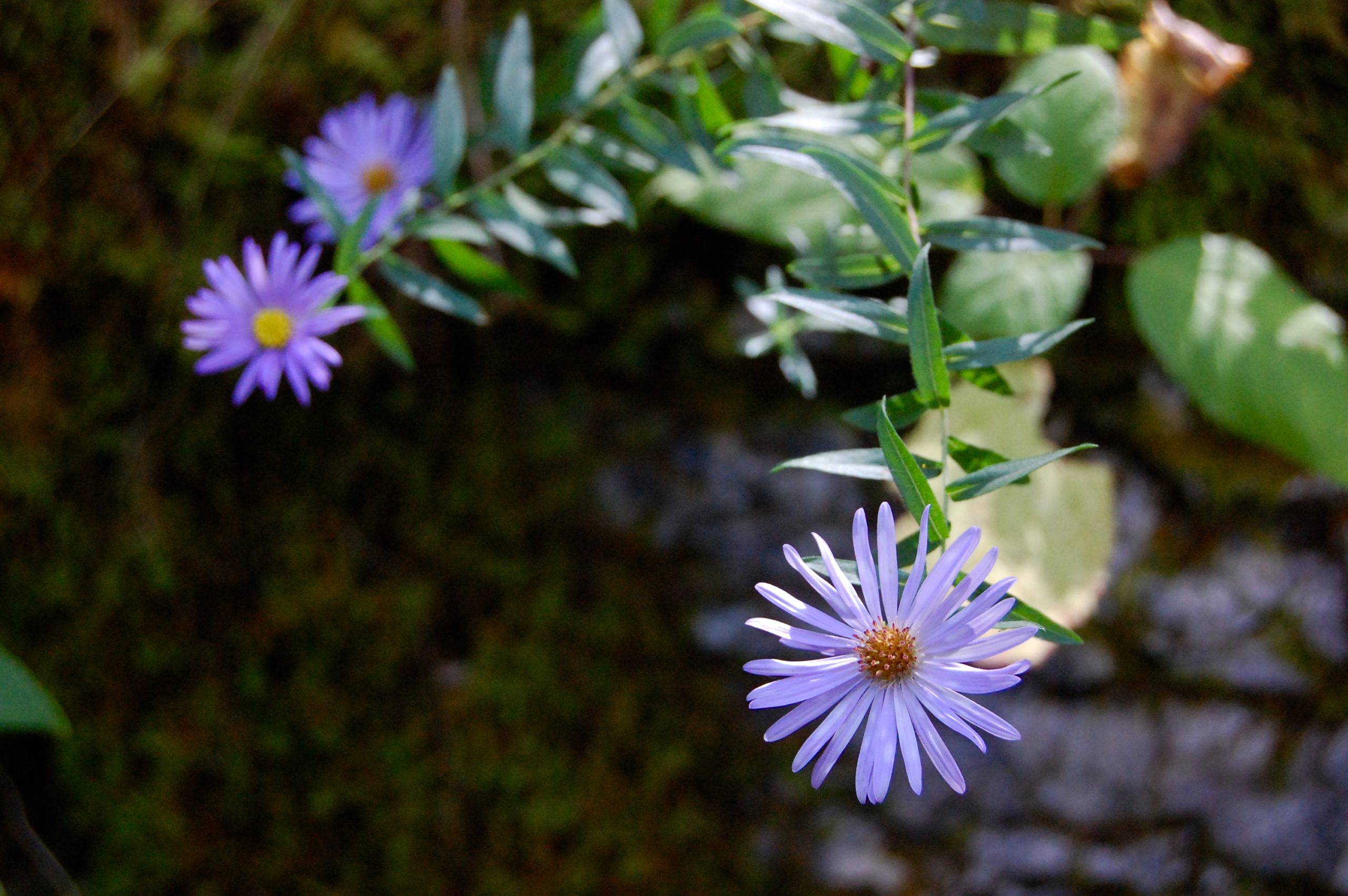
The Asteraceae, or composites, contain more species of flowering plants than all others (but the orchids). There are more composites in our regional flora, and indeed any temperate flora, than any other plant family. They inhabit just about every habitat and are conspicuous throughout the growing season, especially in late summer and fall. Easy to recognize as a family when flowering, the large number of species and its sometimes inconspicuous but important identifying field characters, can overwhelm us. Knowing what to look for and how the family is organized will help! We will review the features and specialized terms that allow us to recognize a composite to the family. Then we will dive into Asteraceae organization (systematics)- learning to recognize groups of genera called tribes- that can help us work our way through and identify most composites, at least to genus. We will look at herbarium specimens and collected live plants, as well as explore late-blooming composites within Floracliff.